
Espagne Prolonge Surveillance Migration Sénégal Face à Crise Migratoire
Summary
- Spain has extended its aerial surveillance operations in Senegal until December to manage migratory flows.
- Spanish Minister for Territorial Policy and Democratic Memory, Ángel Víctor Torres, stated that the migratory phenomenon cannot be contained solely at sea, while Madrid intensifies diplomatic contacts with Dakar, Banjul, and Nouakchott.
- The Canary Islands are experiencing a severe migratory crisis, with 3,684 arrivals recorded over the weekend of November 14, 2026, and 450 deaths reported by IOM in the first ten months of 2026.
- The Spanish government has allocated 15.2 million euros for migrant reception and dispatched a fifth rescue vessel.
- Foreign Minister José Manuel Albares will again seek support from the European Union in Brussels to address the crisis.
Intensified Surveillance and Diplomatic Engagement
The Spanish government's actions, including the extended surveillance and increased diplomatic outreach, signal a strategic shift towards more proactive and externalized border control measures.
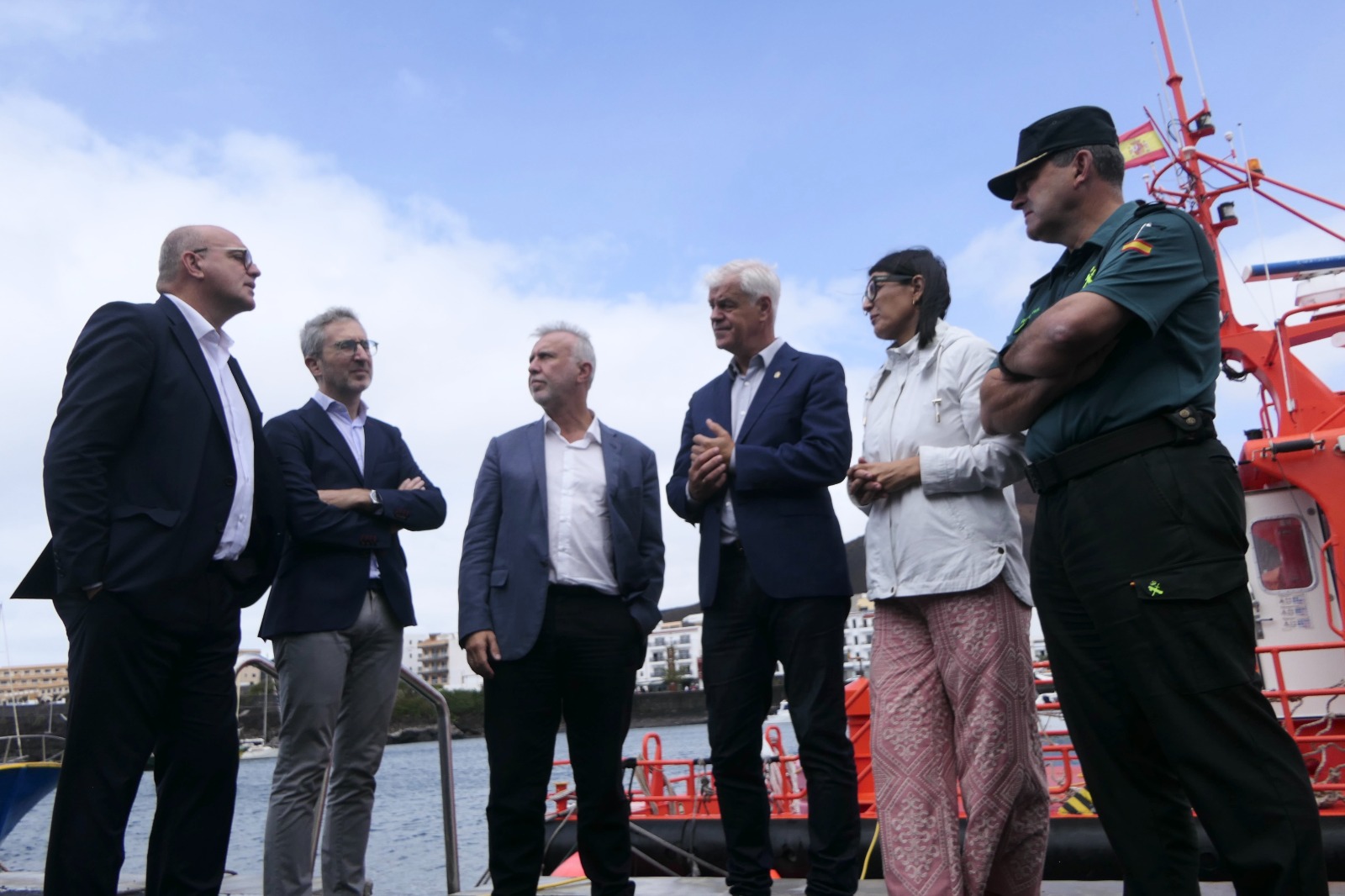
Spain has announced the extension of its aerial surveillance operations in Senegal, maintaining deployed aircraft until December as part of its efforts to manage migratory flows. This decision was communicated by Spanish Minister for Territorial Policy and Democratic Memory, Ángel Víctor Torres, during a visit to El Hierro, where he emphasized that "the migratory phenomenon cannot begin and end where there is a sea." The move underscores Madrid's strategy to address migration at its source and along transit routes.
In conjunction with the prolonged aerial presence, the Spanish government is also significantly stepping up its diplomatic engagement across West Africa. Madrid plans to intensify its contacts with the governments of Dakar, Banjul, and Nouakchott. This multi-pronged approach, combining advanced surveillance with enhanced bilateral relations, reflects a concerted effort by Spain to foster greater cooperation on migration management with key African nations. The aim is to bolster prevention and control measures before migrants embark on perilous sea journeys towards European shores.
Spain's Mounting Migration Challenges
The extension of surveillance operations comes as Spain grapples with a severe migratory crisis, particularly impacting its Canary Islands archipelago. Authorities there are actively engaged in providing reception and relief services to a growing number of arrivals. To bolster these efforts, the Spanish government has allocated 15.2 million euros specifically for strengthening migrant reception capabilities and has dispatched a fifth rescue vessel to assist those attempting the dangerous sea crossing.
The scale of the challenge is starkly illustrated by recent figures. On a single day, Saturday, November 14, 2026, between 1,488 and 1,580 migrants reached the Canary Islands. Over the entire weekend of November 14, 2026, total arrivals to the archipelago surged to 3,684 individuals. The human cost of these journeys is tragically high, with the International Organization for Migration (IOM) reporting at least 450 deaths during the first ten months of 2026 on this route. Beyond the Canary Islands, the Spanish enclave of Ceuta also faces a critical situation, with Spanish media highlighting that nearly 6,000 individuals subject to expulsion procedures are currently unaccounted for, and 3,700 unaccompanied minors are living on the streets, according to police sources and press reports.
Broader European and Legal Implications
In light of these escalating challenges, Spain's Foreign Minister, José Manuel Albares, is slated to reiterate his request for support from the European Union during upcoming discussions in Brussels, as reported by Pressafrik. This appeal underscores the transnational nature of the migratory crisis and the need for a coordinated European response. The Spanish government's actions, including the extended surveillance and increased diplomatic outreach, signal a strategic shift towards more proactive and externalized border control measures.
These developments have significant implications for international law and human rights, particularly concerning the rights of migrants. The intensified surveillance and cooperation with African nations aim to intercept migrants before they reach European territory, raising questions about the legal frameworks governing such interdictions and the subsequent treatment of individuals. The focus on controlling migration routes at its origin, as exemplified by the "Espagne prolonge surveillance migration Sénégal" initiative, highlights the evolving landscape of migration policy and the complex legal and ethical considerations involved in managing these flows.
Practical Implications
The extension of Spanish surveillance operations in Senegal and increased diplomatic contact signals intensified international efforts to control migration routes. Lawyers specializing in immigration, human rights, or international law should monitor these developments for potential impacts on the rights of migrants, particularly concerning interception at sea and return policies, and to advise clients on evolving legal frameworks and potential challenges to state actions.
Source
How does this affect you?
Get an AI analysis of this article grounded in your jurisdictions, practice areas, and any policy documents you've uploaded to Wansom.
Finish Reading the Full Story and the Expert Analysis.
Get the latest legal & regulatory intelligence in Senegal
Wansom is AI and can make mistakes.