
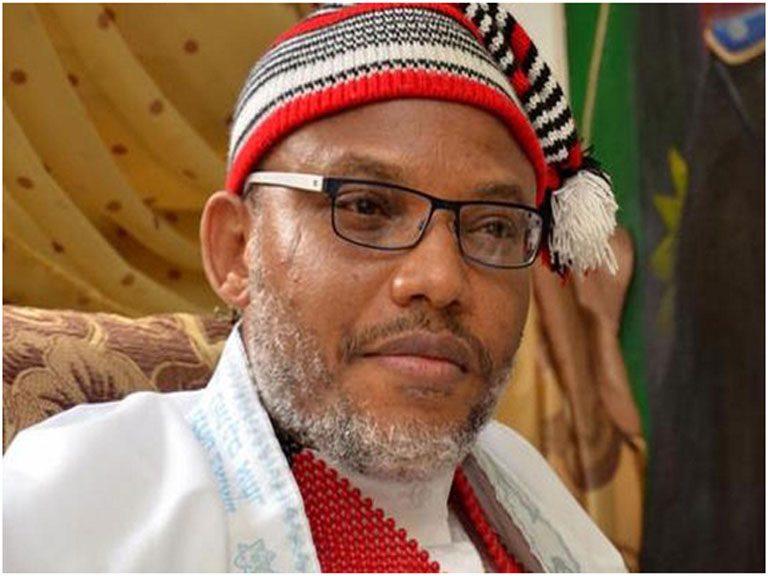
South-East Monarchs: Renewed Call for Nnamdi Kanu Release
Summary
- The South-East Traditional Rulers Council has renewed its demand for the unconditional release of Mazi Nnamdi Kanu.
- Mazi Nnamdi Kanu is identified as the detained leader of the Indigenous People of Biafra (IPOB).
- The monarchs expressed disappointment that previous appeals to the Federal Government for his freedom have not yielded the desired outcome.
- The Council also called for leadership rotation to Abia State and urged massive voter turnout.
Renewed Call for Release
Legal practitioners and political observers should closely monitor this development, as sustained pressure from influential regional bodies like the South-East Traditional Rulers Council could potentially impact the ongoing legal proceedings or future governmental decisions pertaining to Kanu's case.
The South-East Traditional Rulers Council has once again issued a strong appeal for the freedom of Mazi Nnamdi Kanu, the detained leader of the Indigenous People of Biafra (IPOB). This recent declaration underscores a persistent regional advocacy for the unconditional release Nnamdi Kanu, a demand that has been a focal point of discussions among various stakeholders in the South-East. The Council's statement reflects an ongoing concern regarding Kanu's prolonged detention and the perceived lack of progress in securing his liberty.
In their renewed South-East Traditional Rulers Council demand, the monarchs voiced their disappointment over the ineffectiveness of previous interventions. They lamented that earlier appeals directed at the Nigeria Federal Government Kanu case have consistently failed to achieve the desired outcome, leaving the IPOB leader Nnamdi Kanu still in custody. This repeated failure to secure his release, despite appeals from respected regional leaders, highlights a significant point of contention between the federal authorities and a segment of the South-East populace.
Beyond the immediate issue of Kanu's detention, the traditional rulers also addressed other critical regional matters. Their statement included an insistence on the principle of leadership rotation, specifically advocating for the next political leadership to emerge from Abia State. Furthermore, the Council urged the citizenry to ensure massive voter turnout in upcoming electoral processes, emphasizing the importance of active participation in shaping the region's future. These additional calls indicate a broader engagement by the monarchs in political and civic affairs affecting their communities.
Persistent Detention and Appeals
The continued detention of Mazi Nnamdi Kanu remains a prominent and sensitive issue within Nigeria, particularly in the South-East region. His status as the leader of the Indigenous People of Biafra (IPOB) has made his case a symbol for many, leading to sustained calls for his release from various influential groups and individuals. The Nnamdi Kanu detention appeal has been a recurring theme in regional discourse, often spearheaded by traditional and religious leaders who see his freedom as crucial for peace and stability.
The South-East Traditional Rulers Council's latest intervention is not an isolated event but rather a continuation of a series of efforts aimed at persuading the Federal Government to grant Kanu his freedom. These appeals have consistently highlighted the socio-political implications of his prolonged incarceration, urging a resolution that would de-escalate tensions in the region. However, despite these repeated overtures, the government's position on his detention has remained firm, leading to the monarchs' expressed frustration regarding the lack of tangible results from their previous engagements.
This ongoing impasse underscores a significant challenge in the relationship between regional leadership and the central government. The South-East monarchs Nnamdi Kanu release demand serves as a barometer of the persistent sentiment within the region, indicating that the issue is far from resolved in the eyes of local stakeholders. The repeated nature of these appeals, and their consistent failure to move the needle, suggests a deep-seated disagreement on the appropriate course of action regarding the IPOB leader Nnamdi Kanu.
Significance of Monarchs' Stance
The unified voice of the South-East Traditional Rulers Council carries substantial weight, signaling continued political pressure on the Federal Government concerning the unconditional release Nnamdi Kanu. Traditional rulers in Nigeria hold significant influence within their communities, acting as custodians of culture and often as mediators between the populace and governmental authorities. Their collective demand, therefore, represents a powerful regional consensus that cannot be easily dismissed.
This renewed call from such an influential body indicates that the Nnamdi Kanu detention appeal is far from losing momentum. It suggests that despite the passage of time and previous unsuccessful attempts, the issue remains a priority for key regional figures. Legal practitioners and political observers should closely monitor this development, as sustained pressure from influential regional bodies like the South-East Traditional Rulers Council could potentially impact the ongoing legal proceedings or future governmental decisions pertaining to Kanu's case.
The South-East monarchs Nnamdi Kanu release demand, coupled with their other pronouncements on leadership rotation and voter participation, paints a picture of traditional institutions actively engaging in contemporary political advocacy. Their lament over the unheeded prior appeals to the Nigeria Federal Government Kanu situation underscores a perceived lack of responsiveness, which could further galvanize regional sentiment and maintain the issue at the forefront of national political discourse. This ongoing advocacy from respected traditional leaders ensures the IPOB leader Nnamdi Kanu's situation remains a critical point of discussion and a source of regional concern.
Practical Implications
This development signals continued political pressure from influential regional bodies regarding the detention of Nnamdi Kanu, which legal practitioners should monitor for potential impacts on the ongoing legal proceedings or future government actions concerning his case.
Source
How does this affect you?
Get an AI analysis of this article grounded in your jurisdictions, practice areas, and any policy documents you've uploaded to Wansom.
Finish Reading the Full Story and the Expert Analysis.
Wansom is AI and can make mistakes.