
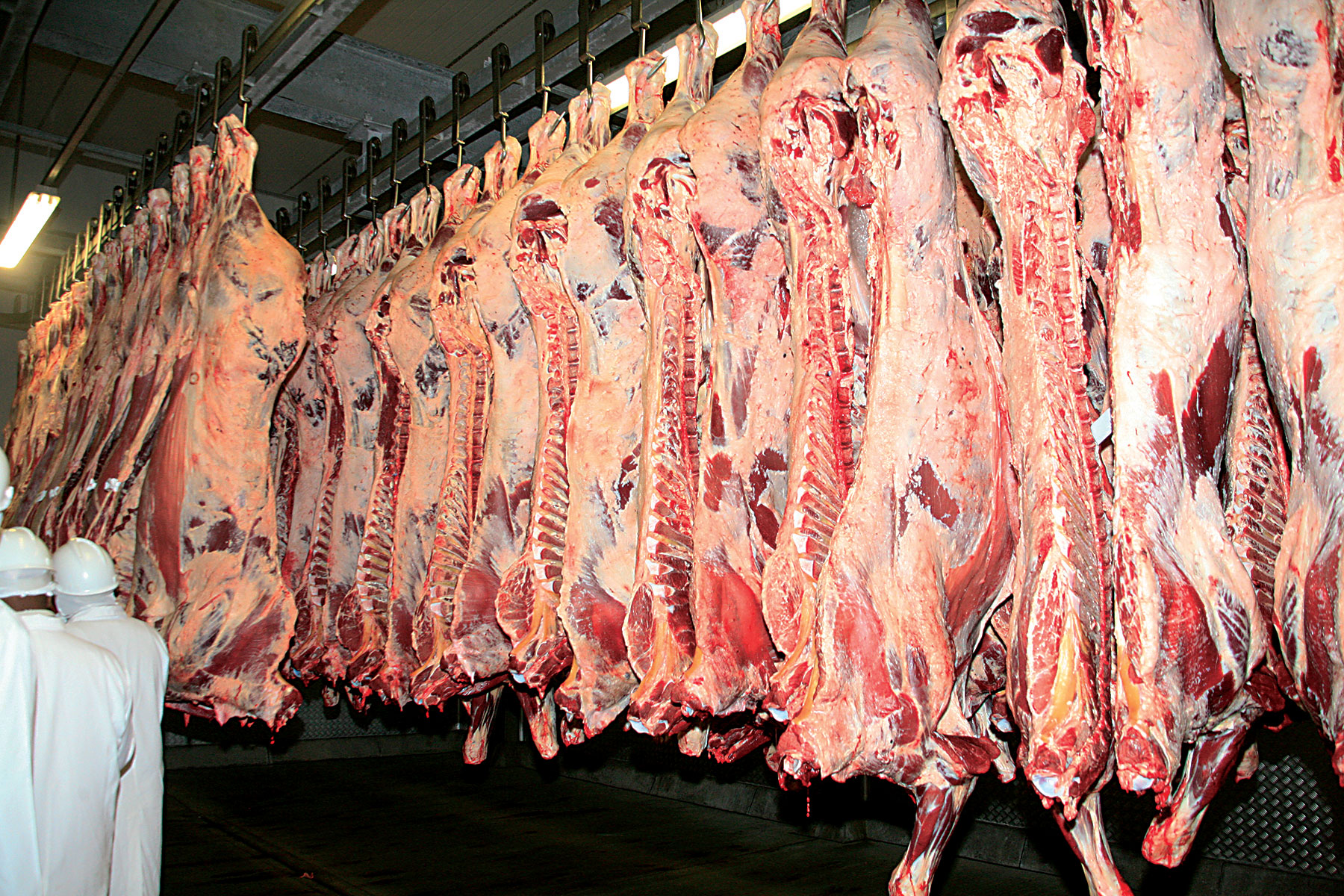
South Africa Reopens Market for Botswana Beef Exports
South Africa has submitted biosecurity protocols to Botswana, potentially allowing Botswana's beef export industry to regain access to the South African market, with discussions around establishing foot-and-mouth disease (FMD)-free zones. This development, reported by Sunday Standard Botswana, signals a significant step towards normalising cross-border trade in agricultural products between the two nations, following previous FMD-related restrictions.
This development holds considerable legal significance for practitioners in international trade, agricultural law, and regulatory compliance. For Botswana, regaining access to the South African market offers a crucial economic lifeline for its beef industry, which has been severely impacted by FMD outbreaks and associated export bans. For South Africa, it represents a strategic decision to manage regional food security and trade relations, while balancing domestic biosecurity concerns. The establishment of FMD-free zones, if successfully implemented, could serve as a model for managing animal disease risks in cross-border trade within the Southern African Development Community (SADC) region.
The legal context for this matter involves a complex interplay of national and international regulations. Key instruments include bilateral trade agreements between South Africa and Botswana, national animal health legislation in both countries (such as South Africa's Animal Diseases Act), and international standards set by the World Organisation for Animal Health (OIE) regarding FMD control and zoning. The regulatory bodies involved would primarily be the Department of Agriculture, Land Reform and Rural Development in South Africa and Botswana's Ministry of Agriculture or its equivalent veterinary services. The specific details of the biosecurity protocols and the framework for FMD-free zones will be critical in governing future trade.
The key parties involved are the governments of South Africa and Botswana, particularly their respective agricultural and veterinary authorities, as well as the beef export industry in Botswana. While the excerpt does not detail specific companies or individuals beyond the general reference to South African media reports, the implications extend to numerous farmers, abattoirs, and logistics providers in both countries. The outcome of the full implementation of these protocols and the actual resumption of trade is not yet fully reported, as the excerpt focuses on the submission of protocols and the potential for market access.
Practitioners should closely monitor the finalisation and implementation of these biosecurity protocols and any subsequent bilateral agreements. Attorneys advising clients in the agricultural sector, particularly those involved in livestock and meat processing, should familiarise themselves with the specific requirements for FMD-free certification, import/export permits, and any new customs procedures. Businesses should assess the market opportunities and regulatory hurdles to ensure compliance and capitalise on the potential reopening of this significant trade route.
How does this affect you?
Get an AI analysis of this article grounded in your jurisdictions, practice areas, and any policy documents you've uploaded to Wansom.
Finish Reading the Full Story and the Expert Analysis.
Get the latest legal & regulatory intelligence in Botswana
Wansom is AI and can make mistakes.