
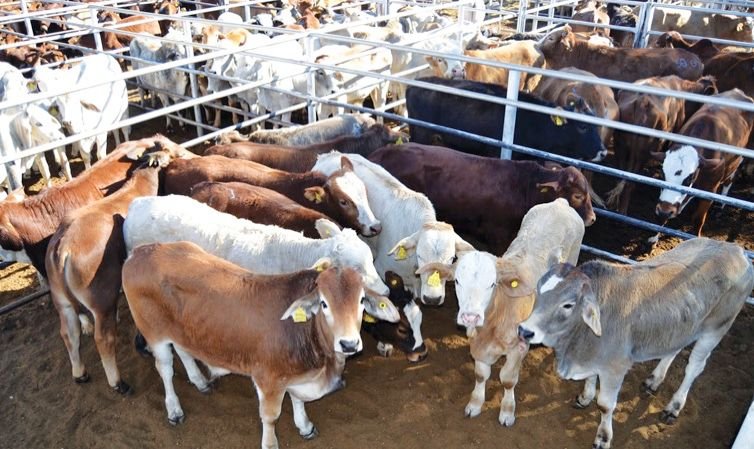
Namibia, SA Discuss Reopening Livestock Auctions
Summary
- South African animal health experts are scheduled to visit Namibia on Friday for discussions on resuming livestock auctions.
- The talks follow a suspension of auctions last month due to a foot-and-mouth disease (FMD) outbreak in Namibia.
- Namibian Minister of Agriculture, Fisheries, Water, and Land Reform Inge Zaamwani-Kamwi confirmed ongoing discussions with South African authorities to establish necessary protocols for trade resumption.
- The Namibian government's immediate focus is containing the FMD outbreak in the Karasburg district before gradually reopening trade.
- Some livestock trade has already recommenced for animals that were in auction kraals or quarantine facilities when restrictions were imposed.
Efforts to Reopen Cross-Border Livestock Trade
The Namibian government's immediate priority, as articulated by Minister Zaamwani-Kamwi, is the comprehensive containment of the FMD outbreak, which has been identified in the Karasburg district.
Namibia and South Africa are actively engaged in high-level discussions aimed at the potential reopening of livestock auctions, a critical component of cross-border trade that has been suspended following a recent foot-and-mouth disease (FMD) outbreak in Namibia. South African animal health experts are scheduled to arrive in Namibia on Friday for direct talks, focusing specifically on the protocols necessary to facilitate the resumption of these auctions, which involve Namibian animals destined for the South African market.
Namibian Minister of Agriculture, Fisheries, Water, and Land Reform Inge Zaamwani-Kamwi confirmed these ongoing SA Namibia FMD trade talks during a parliamentary session on Tuesday. Responding to inquiries from Popular Democratic Movement leader and Member of Parliament McHenry Venaani, Minister Zaamwani-Kamwi highlighted the urgency of the situation. She also revealed that she has personally engaged with South African Minister of Agriculture Willie Aucamp to discuss the possibility of resuming auction trading, underscoring the bilateral commitment to finding a resolution. These discussions are centered on establishing robust foot-and-mouth disease Namibia protocols to ensure safe trade.
Further demonstrating the collaborative effort, technical officials from both Namibia and South Africa held an online meeting earlier on Tuesday. This virtual session was dedicated to outlining the specific procedures required to expedite the resumption of the suspended auctions. The collective objective is to swiftly implement measures that will allow for the safe and regulated flow of livestock, addressing the economic impact of the current restrictions on the cross-border livestock trade South Africa relies upon.
Containment and Phased Resumption Strategy
The Namibian government's immediate priority, as articulated by Minister Zaamwani-Kamwi, is the comprehensive containment of the FMD outbreak, which has been identified in the Karasburg district. Only after a thorough assessment confirms the successful containment of the disease within this area will authorities consider a gradual reopening of broader livestock trade. This cautious approach is designed to prevent further spread and protect animal health across the region.
Despite the general suspension, some specific livestock trade activities have already recommenced under stringent conditions. This includes animals that were already present in auction kraals and designated quarantine facilities at the time the initial restrictions were imposed. These limited resumptions indicate a strategic, phased approach to managing the crisis while minimizing disruption where possible.
To date, extensive laboratory testing has been conducted to monitor the FMD situation. A total of 2,910 cattle, 22,289 sheep, 4,114 goats, and 9 pigs have undergone testing. Clinical signs of the disease have been observed in a smaller subset of these animals, specifically 127 cattle, 50 sheep, 1 goat, and 1 pig, providing critical data for the ongoing Karasburg FMD outbreak trade management and containment efforts.
Economic Impact and Farmer Concerns
The suspension of livestock auctions has had a significant and immediate impact on farmers, a concern vocally raised by Member of Parliament McHenry Venaani during the parliamentary session. Venaani underscored the vital role these auctions play in the livelihoods of agricultural communities, highlighting that farmers depend on the income generated from sales to cover essential expenses.
These critical funds are used for paying workers, financing children's school expenses, and purchasing necessary animal feed and other farm supplies. The disruption to the Namibia South Africa livestock auction reopening process therefore poses a substantial economic challenge, emphasizing the urgency of the Inge Zaamwani-Kamwi animal health discussions and the need for a swift, yet safe, resolution to the trade impasse.
Practical Implications
Lawyers advising clients in the agricultural sector, particularly those involved in cross-border livestock trade between Namibia and South Africa, should monitor these discussions closely. New animal health protocols and compliance requirements will likely be implemented, impacting trade operations and requiring clients to adapt their practices to avoid regulatory non-compliance.
Source
Source: Original reporting via Namibian.
How does this affect you?
Get an AI analysis of this article grounded in your jurisdictions, practice areas, and any policy documents you've uploaded to Wansom.
Finish Reading the Full Story and the Expert Analysis.
Get the latest legal & regulatory intelligence in South Africa
Wansom is AI and can make mistakes.