
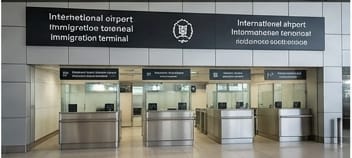
South Africa Home Affairs: Biometric Asylum Platform to Launch 2026
Summary
- South Africa's Home Affairs Department is launching a biometric online platform for asylum applications by November 10, 2026.
- The platform aims to speed up processing, enhance identity verification, and prevent repeat applications from rejected individuals.
- Minister Leon Schreiber estimates the current asylum appeals backlog at approximately 120,000 cases, which the new system and increased legal staff will address.
- Home Affairs will seek a supervisory order from the Constitutional Court for guidance on implementing a July 2026 judgment and managing operational challenges.
- The new system will require biometric data and will be used to verify identities, check for prior rejections, and authenticate travel documents.
The New Digital Asylum System
For legal practitioners advising asylum seekers, these changes necessitate a thorough understanding of the new digital application procedures and the implications of biometric data submission.
South Africa's Department of Home Affairs is developing a sophisticated biometric online platform designed to significantly overhaul the processing of asylum applications. This initiative, announced by Minister Leon Schreiber, aims to enhance the efficiency of the asylum system, bolster identity verification measures, and deter individuals whose applications have been rejected from repeatedly submitting new claims to delay their removal from the country. The platform is slated to become fully operational by November 10, 2026, marking a pivotal shift towards digitised asylum applications within the nation's immigration framework.
Drawing on the department's prior success with technological implementations, such as the Electronic Travel Authorisation system, this new South Africa Home Affairs biometric asylum platform will mandate the submission of biometric information from all asylum applicants. This data will be crucial for Home Affairs to accurately verify identities and ascertain whether an individual has previously lodged and had an application rejected. Furthermore, the system will possess the capability to authenticate passports and other travel documents, as well as flag any other recorded infringements associated with applicants, thereby strengthening overall immigration law enforcement.
Tackling the Asylum Backlog
A primary driver behind these reforms is the persistent and substantial backlog of asylum appeals that Home Affairs currently faces. Minister Schreiber indicated that this backlog is estimated to be around 120,000 cases, though a precise, confirmed figure is still pending from the department. While initial asylum applications are processed relatively quickly, often within approximately 30 days, the significant delays predominantly occur during the appeals stage, contributing to the overall inefficiency of the system.
In an effort to mitigate this challenge, Home Affairs has already made strides, reducing the appeals backlog by approximately 20% during the previous financial year. To further bolster its capacity, the department has significantly increased its legal personnel, bringing in 74 advocates to assist with processing appeals, a stark contrast to the mere nine individuals previously responsible for this critical function. Minister Schreiber highlighted that this combination of enhanced legal capacity and the forthcoming technological reforms is expected to accelerate the adjudication process and prevent new applications from creating fresh backlogs.
Constitutional Court Engagement
The department's reform efforts are also shaped by recent judicial pronouncements. Minister Schreiber clarified that the Constitutional Court judgment issued on July 7, 2026, specifically addressed procedural aspects related to the processing of asylum claims. He emphasized that this ruling did not confer refugee status or citizenship upon any foreign national, nor did it diminish Home Affairs' inherent right to adjudicate refugee applications. The Minister affirmed the department's responsibility to determine eligibility and, if an applicant does not qualify, to proceed with deportation.
In a proactive move, the government intends to approach the Constitutional Court to seek a supervisory order. This request aims to obtain judicial guidance on the effective implementation of the July 2026 judgment and to address the various administrative and operational challenges confronting Home Affairs. Establishing the precise number of individuals who will come forward to apply for asylum is a critical step for the department to adequately plan its staffing and processing capacity. The proposed online platform is expected to assist the government in gauging the scale of applications requiring management, thereby facilitating a phased implementation process. An Inter-Ministerial Committee (IMC) has also directed relevant government departments and entities to participate in a hearing scheduled for October 29, 2026, to further discuss these matters.
Why These Reforms Matter
The impending launch of the South Africa Home Affairs biometric asylum platform and the broader departmental reforms signal a significant transformation in the country's approach to immigration and asylum management. For legal practitioners advising asylum seekers, these changes necessitate a thorough understanding of the new digital application procedures and the implications of biometric data submission. The shift to a mandatory online system by November 2026 will streamline identity verification, but it also means that procedural strategies for applicants will need to adapt to a more technologically driven process.
Furthermore, the ongoing engagement with the Constitutional Court for a supervisory order is a critical development. This interaction may lead to further clarifications or alterations in the current guidelines for asylum processing, which could directly impact legal strategies and client advice. The department's commitment to addressing the South Africa asylum application backlog through increased legal capacity and technological innovation suggests a more efficient, albeit potentially more stringent, system for future applicants. Lawyers must therefore stay abreast of these developments to effectively guide their clients through the evolving landscape of ZA digitised asylum applications and Home Affairs SA immigration law.
Practical Implications
Lawyers advising asylum seekers in South Africa must prepare for the mandatory biometric online application system launching by November 2026, which will streamline identity verification and impact procedural strategies. They should also monitor the Home Affairs Department's engagement with the Constitutional Court for supervisory orders, which may clarify or alter current asylum processing guidelines.
Source
How does this affect you?
Get an AI analysis of this article grounded in your jurisdictions, practice areas, and any policy documents you've uploaded to Wansom.
Finish Reading the Full Story and the Expert Analysis.
Get the latest legal & regulatory intelligence in South Africa
Wansom is AI and can make mistakes.