
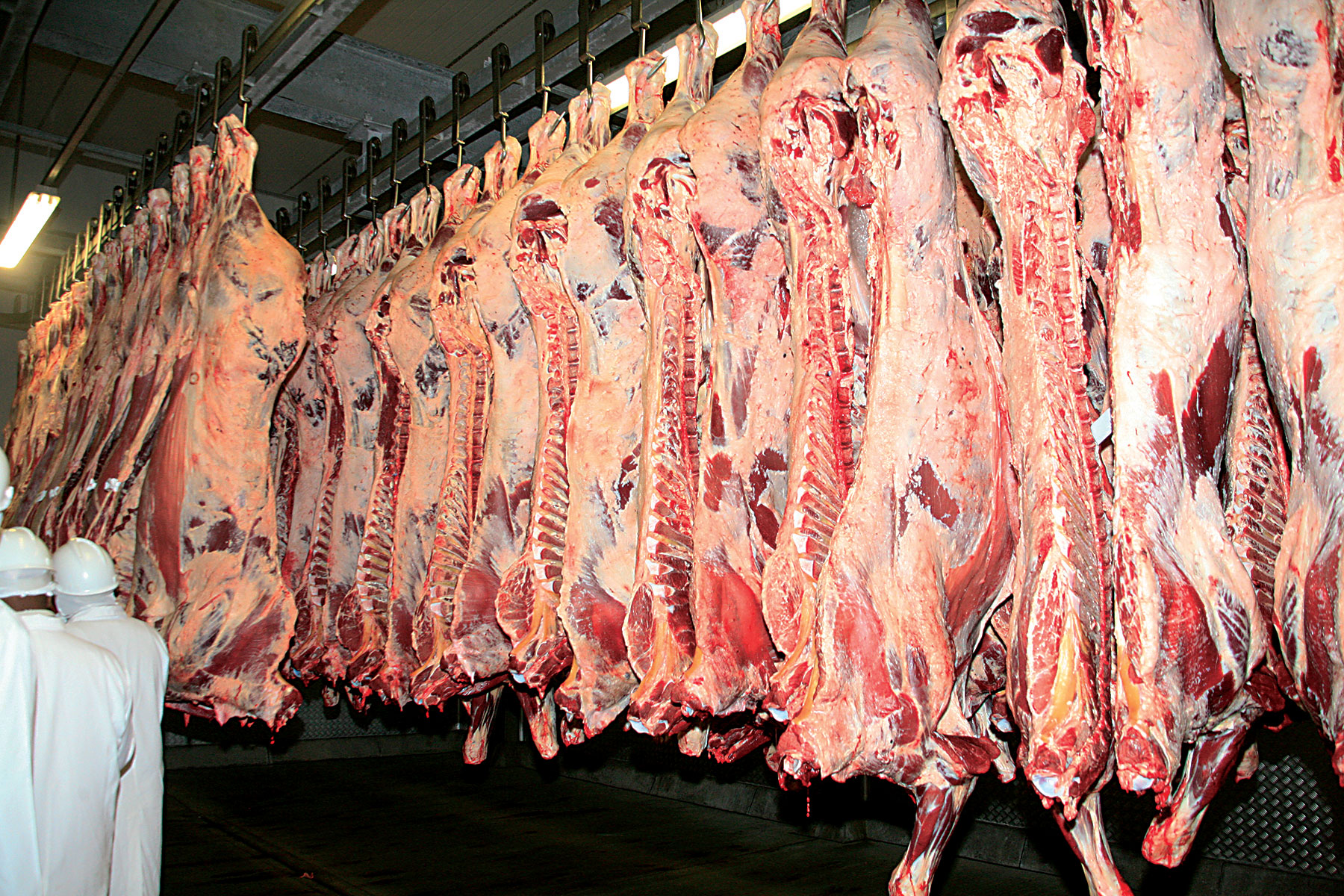
South Africa: Progress on Botswana Beef Import FMD Protocols
Summary
- South Africa is considering reopening its market to beef imports from Botswana.
- South Africa has submitted biosecurity protocols to Botswana to facilitate the resumption of these imports.
- The establishment of Foot-and-Mouth Disease (FMD)-free zones is a key proposed solution.
- This development could significantly benefit Botswana's beef export industry.
- The re-establishment of trade relies on strict adherence to FMD biosecurity protocols.
What Happened
The successful re-entry of Botswana beef export into the South African market is critically dependent on the rigorous adherence to and verification of robust FMD biosecurity protocols.
South Africa is reportedly progressing towards a potential reopening of its market for beef imports originating from Botswana. This significant development follows the recent submission of proposed biosecurity protocols by South Africa to Botswana, specifically designed to facilitate the re-establishment of this vital cross-border trade. The primary objective behind these detailed guidelines is to enable the safe and regulated resumption of beef consignments, which have previously faced considerable disruptions due to ongoing concerns surrounding Foot-and-Mouth Disease (FMD). This move signals a concerted effort by both nations to address trade barriers.
A pivotal element emerging from these bilateral discussions and proposed frameworks is the strategic exploration and potential implementation of FMD-free zones within Botswana. The establishment and subsequent recognition of such designated zones are increasingly being considered a viable and effective strategy to ensure the safety, quality, and compliance of beef products specifically destined for the South African market. This targeted approach aims to meticulously mitigate the inherent risks associated with FMD, thereby directly addressing South Africa's stringent agricultural import regulations and overarching biosecurity requirements. This collaborative effort could pave the way for a more stable and predictable trade environment.
Regulatory Framework and Biosecurity
The successful re-entry of Botswana beef export into the South African market is critically dependent on the rigorous adherence to and verification of robust FMD biosecurity protocols. These stringent measures are not merely procedural but are absolutely essential for safeguarding South Africa's own domestic livestock industry from potential disease outbreaks, which can have devastating economic consequences. The proposed solution, focusing on FMD-free zones beef originating from Botswana, directly addresses these stringent import regulations, offering a structured, scientifically-backed method for ensuring that all exported products originate exclusively from geographical areas certified to be entirely free of the disease.
Such comprehensive biosecurity protocols are not just administrative requirements; they form the fundamental bedrock of international trade in agricultural commodities, particularly concerning live animals and animal products. They provide an indispensable framework for continuous disease surveillance, effective containment strategies, and credible certification processes, all of which are vital for maintaining consumer confidence, protecting public health, and preventing severe economic losses attributable to FMD. The diligent implementation, transparent verification, and ongoing monitoring of these protocols will be paramount for the sustainable and secure resumption of the Botswana beef import to South Africa, ensuring long-term trade stability.
Economic Significance and Future Outlook
The potential re-entry of Botswana beef into the South African market carries substantial and far-reaching economic implications for Botswana's vital beef export industry. Regaining access to this significant neighboring country represents a crucial opportunity for numerous producers and exporters across Botswana, many of whom have been adversely impacted by previous trade restrictions and FMD-related bans. This strategic move could significantly revitalize a key sector of Botswana's national economy, directly supporting countless livelihoods, stimulating rural development, and fostering stronger regional trade ties.
For South Africa, the resumption of Botswana beef import could offer valuable diversified supply options, provided that all FMD biosecurity protocols South Africa requirements are meticulously met and maintained. The concentrated focus on FMD-free zones beef from Botswana underscores a pragmatic and scientifically informed approach to simultaneously managing critical public health concerns and vital economic interests. This ensures that beneficial trade can proceed without compromising national biosecurity standards. This unfolding development is being closely monitored by a wide array of stakeholders in both nations, as it unequivocally signifies a positive and constructive step towards resolving long-standing trade challenges and enhancing regional economic cooperation.
Practical Implications
Lawyers advising agricultural exporters or importers between Botswana and South Africa should note the re-opening of the beef market, ensuring clients comply with the new biosecurity protocols for FMD-free zones to facilitate trade and avoid disruptions.
Source
How does this affect you?
Get an AI analysis of this article grounded in your jurisdictions, practice areas, and any policy documents you've uploaded to Wansom.
Finish Reading the Full Story and the Expert Analysis.
Get the latest legal & regulatory intelligence in Botswana
Wansom is AI and can make mistakes.