
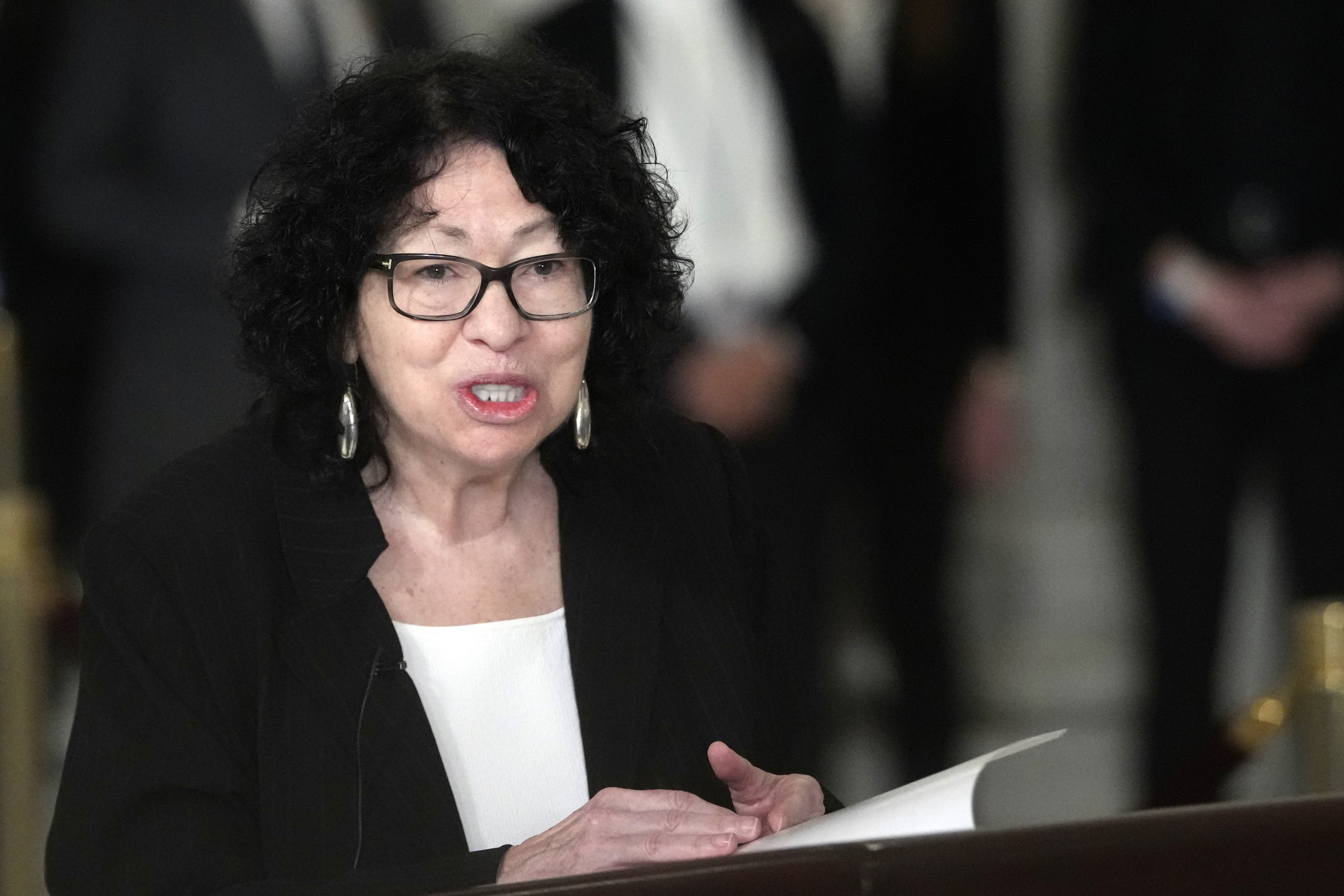
Sotomayor: Alabama Judge Juror Arrest Draws Strong Criticism
Summary
- Justice Sonia Sotomayor criticized an Alabama judge for ordering a prospective juror's arrest for tardiness.
- The incident occurred in April 2023, involving Judge Alaric May holding a juror in contempt during jury selection.
- Sotomayor warned that such judicial conduct could intimidate other jurors, potentially compromising their impartiality and effectiveness.
- Her comments accompanied the Supreme Court's denial of certiorari in Steven Mulkey's capital murder case, who argued the arrest deprived him of a fair trial.
- Sotomayor noted that Mulkey's lawyers had not objected to the arrest at the time, which was a basis for the denial of review.
Supreme Court Declines Case, Justice Sotomayor Criticizes Judge
Justice Sotomayor emphasized that judges must be acutely aware of how their actions can impact a defendant's fundamental right to a fair trial.
The U.S. Supreme Court recently opted not to hear the capital murder appeal of Steven Mulkey, a decision that prompted a significant statement from Justice Sonia Sotomayor. On Monday, as the Court declined to grant certiorari, Justice Sotomayor issued a written statement expressing strong criticism regarding an Alabama judge's conduct during jury selection. Mulkey's appeal centered on the argument that the arrest of a prospective juror, carried out in full view of the remaining jury pool, had compromised his right to a fair trial.
The incident in question occurred in April 2023, when Judge Alaric May of the 10th Judicial Circuit Court of Alabama ordered the arrest of a potential juror. The juror was held in contempt of court for arriving late. This action, and its potential impact on the impartiality of the jury, formed the core of Mulkey's contention before the Supreme Court. Despite the gravity of the concerns raised, Justice Sotomayor concurred with the Court's decision to deny review, noting that Mulkey's legal team had not lodged an objection to the arrest at the time it happened.
However, Justice Sotomayor used the occasion of the certiorari denial to deliver a pointed warning to the judiciary. Her comments underscore a critical concern about the influence of judicial actions on the jury selection process and the broader integrity of trials. The case, as reported by Law360, highlights a specific instance of judicial conduct that, according to Justice Sotomayor, could have far-reaching implications for defendants seeking an impartial jury.
Justice Sotomayor's Warning on Jury Impartiality
Justice Sonia Sotomayor's statement served as a clear admonition to judges concerning the profound effects their behavior can have on potential jurors. She articulated a concern that ordering a prospective juror's arrest, especially in front of others in the jury pool, could instill fear among them. This fear, she warned, might lead jurors to be less effective if ultimately selected to serve, potentially compromising their ability to weigh facts and evidence impartially.
Her critique specifically addressed the risk that intimidated jurors might prioritize what they perceive as the judge's desired outcome over their sworn duty to uphold justice independently. Justice Sotomayor emphasized that judges must be acutely aware of how their actions can impact a defendant's fundamental right to a fair trial. The record in this particular case, she wrote, vividly illustrates how a judge's conduct can exert a significantly negative influence on individuals within the jury pool. This judicial conduct during jury selection is a key area of her concern.
Justice Sotomayor further elaborated that such actions could not only deter potential jurors from speaking freely before the judge but also undermine their willingness to exercise independent judgment. Instead, they might be swayed to align with what they believe the judge personally thinks. This specific Justice Sonia Sotomayor juror warning highlights the delicate balance required to maintain an unbiased jury, free from any form of jury intimidation that could skew the trial's outcome.
Threat to Independent Judgment and Fair Trials
The implications of the Alabama judge's actions, and Justice Sotomayor's subsequent criticism, extend to the very foundation of fair trial rights. The incident involving Judge Alaric May and the contempt juror created an atmosphere where, according to Law360, several other prospective jurors expressed apprehension about facing similar repercussions if their responses were not to the judge's liking. This environment of fear directly threatens the principle that jurors should deliberate without external pressure or perceived judicial bias.
Justice Sotomayor's remarks underscore the vital importance of ensuring that jurors can apply their independent judgment, rather than feeling compelled to conform to perceived judicial preferences. Her statement serves as a powerful reminder that any judicial conduct during jury selection that creates an intimidating atmosphere can severely undermine the impartiality of the jury. The integrity of the judicial process relies heavily on jurors' ability to assess evidence objectively and render verdicts based solely on the facts presented, free from any apprehension of judicial displeasure.
The Supreme Court's denial of Steven Mulkey's certiorari, despite Justice Sotomayor's strong reservations about the judicial conduct, highlights the procedural hurdles in appealing such issues. While Mulkey's lawyers did not comment on Law360's request, the case remains a significant point of reference for discussions on judicial ethics and the protection of fair trial rights against potential jury intimidation.
Practical Implications
This serves as a critical reminder for trial lawyers to meticulously document and object to any judicial conduct during jury selection that could be perceived as intimidating or prejudicial, as failure to do so may waive appellate review. It also provides a Supreme Court Justice's strong statement on judicial ethics and jury impartiality that can be leveraged in arguments concerning fair trial rights.
Source
Source: Original reporting via Law360
How does this affect you?
Get an AI analysis of this article grounded in your jurisdictions, practice areas, and any policy documents you've uploaded to Wansom.
Finish Reading the Full Story and the Expert Analysis.
Get the latest legal & regulatory intelligence in United States
Wansom is AI and can make mistakes.