
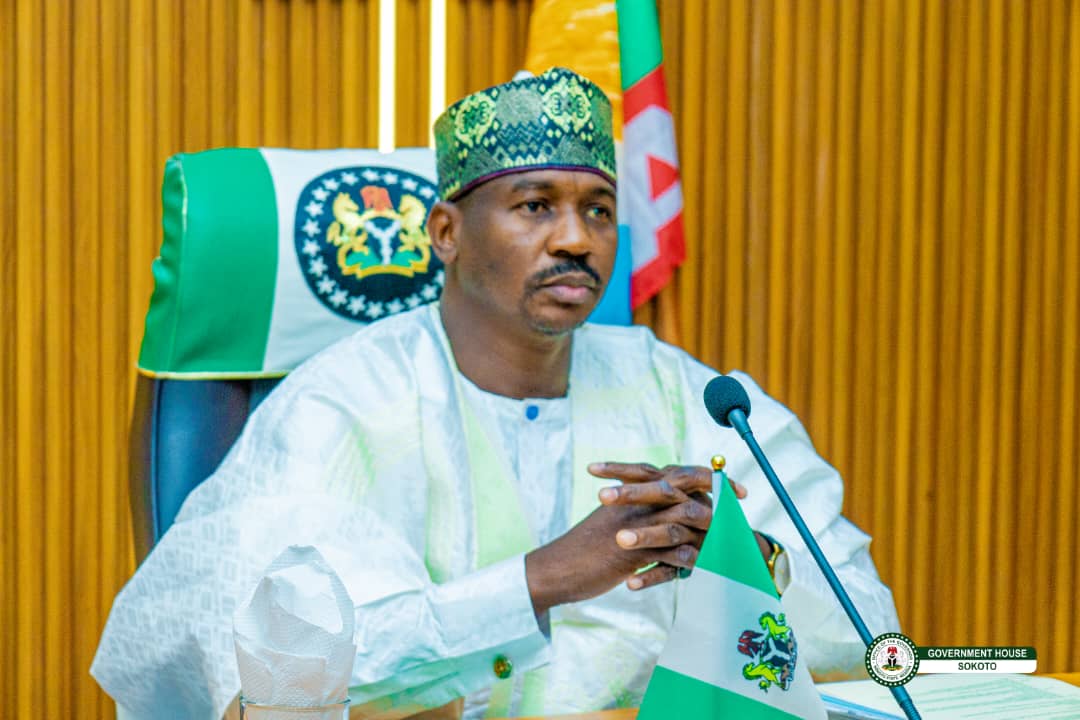
Sokoto Governor Aliyu: Appoints Eight New District Heads
Summary
- Sokoto State Governor Ahmad Aliyu has approved the appointment of eight new district heads.
- These appointments aim to fill vacant traditional leadership positions across the state.
- The Sokoto Sultanate Council recommended the individuals for these crucial posts.
- The announcement was made via a statement from Sa’idu Muhammad Maccido Danburan Sokoto, Secretary of the Sultanate Council.
- The new district heads will serve as key local stakeholders, influencing community relations and administrative processes.
Key Leadership Changes in Sokoto
Lawyers advising clients on matters related to local governance, community engagement, or land disputes should be acutely aware of these new traditional leadership appointments.
Governor Ahmad Aliyu of Sokoto State has recently sanctioned the appointment of eight new district heads, a move aimed at filling vacant traditional leadership positions across the state. This significant development underscores the ongoing role of traditional institutions within modern governance structures in Nigeria. The appointments were formally announced through a statement issued by Sa’idu Muhammad Maccido Danburan Sokoto, who serves as the Secretary of the Sokoto Sultanate Council.
These new Ahmad Aliyu district heads were not unilaterally decided upon but rather emerged from a consultative process. The Sokoto Sultanate Council, a revered traditional body, played a pivotal role by recommending the individuals for these crucial posts. This process highlights the collaborative, albeit hierarchical, relationship between the state government and traditional authorities in matters pertaining to local administration and community representation. The governor's approval formalizes these recommendations, bringing new leadership to several districts.
The Enduring Role of Traditional Institutions
The Sokoto Sultanate Council appointments are part of a broader pattern of Nigeria traditional leadership changes that periodically occur across the country. District heads, in particular, serve as vital intermediaries between local communities and the state government. Their responsibilities often encompass maintaining peace and order, mediating disputes, and facilitating communication on local development initiatives. These roles are deeply embedded in the social fabric, providing a layer of governance that complements the formal administrative structures.
In Sokoto State, the traditional leadership system, headed by the Sultan, holds considerable cultural and social influence. The appointment of district head appointments Nigeria is therefore not merely an administrative formality but a significant event that impacts community dynamics and local governance. These leaders are often seen as custodians of local customs and traditions, and their legitimacy is derived from both historical lineage and governmental recognition. Their presence ensures continuity in community leadership and offers a familiar point of contact for residents.
Implications for Local Governance and Stakeholders
The recent Sokoto State traditional appointments carry substantial implications for local governance and community relations within the state. The newly appointed district heads will now assume their roles as key local stakeholders, influencing various aspects of daily life, from land matters to dispute resolution. Their presence is crucial for effective grassroots administration, as they often possess an intimate understanding of local issues and community needs that formal government officials might not.
For legal professionals and organizations operating within Sokoto State, understanding these changes is paramount. Lawyers advising clients on matters related to local governance, community engagement, or land disputes should be acutely aware of these new traditional leadership appointments. These district heads can significantly influence administrative processes and play a critical role in mediating conflicts, making their involvement a key factor in navigating local legal and social landscapes. Their authority, while traditional, often carries practical weight in local decision-making.
Practical Implications
Lawyers advising clients on local governance, community relations, or land matters within Sokoto State should be aware of these new traditional leadership appointments, as they represent key local stakeholders and may influence administrative processes or dispute resolution.
Source
How does this affect you?
Get an AI analysis of this article grounded in your jurisdictions, practice areas, and any policy documents you've uploaded to Wansom.
Finish Reading the Full Story and the Expert Analysis.
Get the latest legal & regulatory intelligence in Nigeria
Wansom is AI and can make mistakes.