
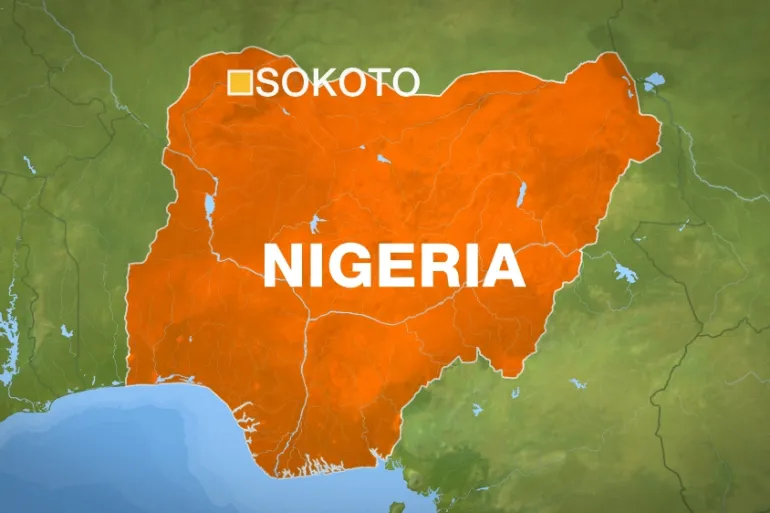
Killing Over Alleged Blasphemy Rocks Sokoto
Summary
- Controversial Islamic cleric Sheikh Musa Ayuba Lukuwa was stabbed after Friday prayers at his mosque in Sokoto on September 11.
- The alleged attacker was subsequently beaten by a mob and died from injuries, a fatality confirmed by police.
- The Sokoto State Government ordered the closure of the mosque as a crime scene and launched a full investigation into the attack and killing.
- Sheikh Lukuwa, after being treated and discharged, appealed for calm and urged his followers against retaliation.
- The incident has sparked wider debates on religious freedom, mob justice, and the handling of religiously sensitive allegations in Nigeria.
Violent Attack and Mob Killing in Sokoto
This tragic event has ignited a significant public discourse on several critical issues within Nigeria, particularly concerning the prevalence of Nigeria blasphemy mob justice.
A volatile incident unfolded in Sokoto metropolis on September 11, following the Jumu'at prayer at the Sheikh Musa Ayuba Lukuwa Jumu'at Mosque in the Mabera area. Controversial Islamic cleric Sheikh Musa Ayuba Lukuwa was reportedly attacked with a sharp knife by an unidentified individual at approximately 1:50 p.m. According to DSP Ahmad Rufa'i, the Police Public Relations Officer, the assailant inflicted injuries upon the cleric before being subdued by worshippers present at the scene.
The situation escalated dramatically when the alleged attacker was subsequently subjected to mob violence. He sustained severe injuries from the assault and later died. Police authorities have since confirmed one fatality connected to the incident, while the specific circumstances surrounding the alleged attacker's death remain under active investigation. The identity of the deceased has been a point of contention, with initial police reports describing him as unidentified, and other circulated names lacking independent official confirmation. Therefore, the official identification and background of the individual are still pending.
Official Response and Ongoing Investigations
In the immediate aftermath, Sheikh Lukuwa was rushed to a hospital for medical attention, where he was treated for his injuries and subsequently discharged. Following his release, the cleric appeared in a video, reassuring his followers of his well-being and urging them to maintain calm. He specifically appealed against any actions that could exacerbate the situation, stating, "I am well and in good health," and expressed gratitude to those who intervened during the attack, which he described as potentially more serious. He also cautioned his supporters against allowing anger to lead to retaliation or further violence.
The Sokoto State Government swiftly intervened to manage the escalating tensions. It ordered the immediate closure of the Sheikh Musa Ayuba Lukuwa Jumu'at Mosque in Mabera, designating it a crime scene. The mosque is to remain closed indefinitely to facilitate a thorough investigation by relevant authorities. Concurrently, the government has launched a comprehensive inquiry into both the attack on Sheikh Lukuwa and the subsequent killing, and has established an advisory committee comprising Islamic scholars to delve into the broader religious sensitivities and controversies surrounding the events.
Underlying Religious Tensions and Broader Debates
The incident is deeply rooted in a preceding controversy involving allegations against Sheikh Lukuwa concerning remarks he reportedly made on sensitive religious subjects. These include comments related to the parents of Prophet Muhammad (SAW), although the precise context and content of these alleged statements are currently under examination as part of the ongoing investigation. The cleric's appeal for peace came at a time when emotions were already running high across various parts of the metropolis due to these long-standing disputes.
This tragic event has ignited a significant public discourse on several critical issues within Nigeria, particularly concerning the prevalence of Nigeria blasphemy mob justice. It has brought into sharp focus debates surrounding religious freedom, the defined limits of religious expression, the fundamental sanctity of human life, and the severe implications of mob justice. Furthermore, the incident underscores the imperative for appropriate institutional responses when addressing allegations that involve highly sensitive religious matters, highlighting the complex interplay between Sokoto religious tensions legal frameworks and Nigeria public order religious violence.
Practical Implications
This incident underscores the severe legal and public order risks of mob justice in Nigeria, particularly in religiously sensitive contexts. Lawyers should monitor the ongoing investigation for potential criminal charges, the scope of state powers in managing public order, and any precedents set regarding the closure of religious sites.
Source
How does this affect you?
Get an AI analysis of this article grounded in your jurisdictions, practice areas, and any policy documents you've uploaded to Wansom.
Finish Reading the Full Story and the Expert Analysis.
Get the latest legal & regulatory intelligence in Nigeria
Wansom is AI and can make mistakes.