
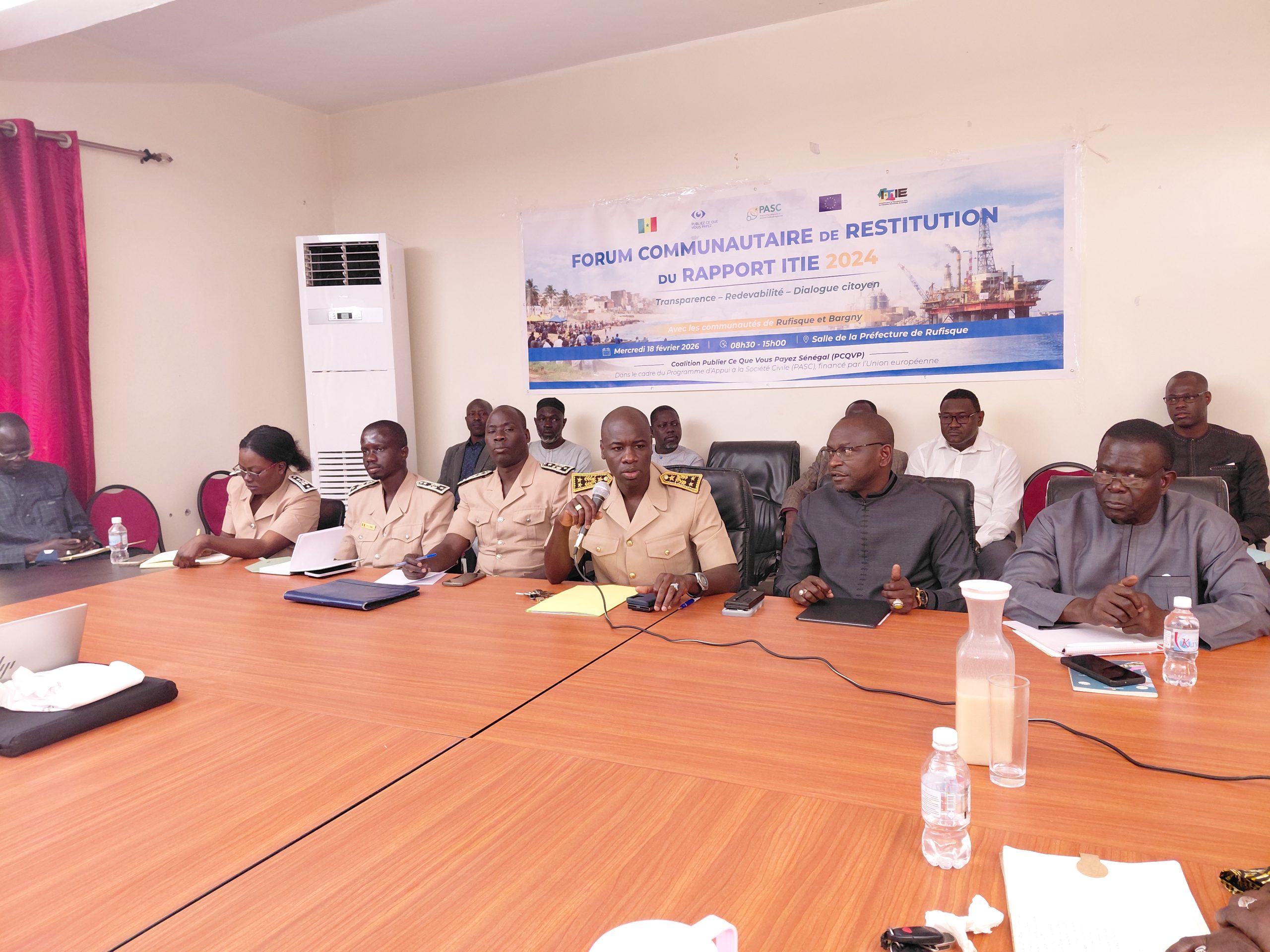
SOCOCIM Bargny: Residents Voice Environmental Concerns at Forum
Summary
- Residents in Bargny are voicing significant health and environmental concerns linked to SOCOCIM's operations.
- SOCOCIM contributed 45.7 billion CFA francs to financial authorities in 2024, representing a substantial portion of Senegal's extractive revenues.
- A community forum, organized by Publiez Ce Que Vous Payez Sénégal, highlighted these issues during discussions of the 2024 EITI report.
- Despite its economic impact, the EITI report lacks specific details on SOCOCIM's environmental payments, fueling local concerns about compliance.
- Local activists describe the cement factory's environmental and health impacts on communities as "devastating".
Community Outcry Over SOCOCIM's Environmental Footprint
Despite its substantial economic contributions, SOCOCIM faces persistent scrutiny from local communities regarding its environmental and health impacts, underscoring a critical need for enhanced transparency beyond financial disclosures.
Residents in Bargny, Senegal, are increasingly vocal about the significant health and environmental challenges they attribute directly to the operations of SOCOCIM, a major cement producer in the region. These pressing SOCOCIM Bargny environmental concerns were brought to the forefront during a recent community forum held in Rufisque–Bargny. The gathering served as a platform for local voices to articulate their experiences and anxieties, particularly in light of the 2024 report from the Extractive Industries Transparency Initiative (EITI).
During the forum, Ndeye Yacine Dieng, a dedicated resident and activist from Bargny, starkly characterized the impacts of the cement factory's activities as "devastating" for both the local environment and the well-being of the surrounding communities. This sentiment underscores a growing tension between industrial development and community health, highlighting the urgent need for a thorough examination of corporate environmental compliance Senegal within the extractive sector. The discussions at the forum emphasized that while SOCOCIM plays a considerable economic role, these benefits are increasingly overshadowed by perceived negative externalities.
Economic Contributions Amidst Health and Environmental Allegations
Despite the serious allegations, SOCOCIM remains a significant economic contributor to Senegal. In 2024 alone, the company remitted an impressive 45.7 billion CFA francs to the national financial authorities. This substantial payment accounts for 12.8% of the country's total mining revenues and 11% of all extractive revenues, as detailed in the figures presented at the community forum by Senegaldirect. It is noteworthy that the vast majority of these contributions stem from indirect taxation on cement products, rather than direct exploitation of limestone resources.
Beyond fiscal contributions, SOCOCIM's operational footprint extends to substantial national procurement and employment. The company reported 747 billion CFA francs in purchases from national suppliers, bolstering local businesses and supply chains. Furthermore, SOCOCIM provides employment for over 2,500 individuals, with a commendable nearly 70% of its workforce originating from the Rufisque department itself. The company also plays a role in regional trade, contributing to exports to neighboring countries such as Mali, Gambia, Mauritania, and Guinea, thereby solidifying its position as a key economic player. However, these economic benefits are consistently weighed against the severe community health Bargny and environmental impacts reported by residents.
Transparency Gaps in Environmental Reporting
The community forum, meticulously organized by the coalition Publiez Ce Que Vous Payez Sénégal (Publish What You Pay Senegal), aimed to shed light on the extractive sector's data and SOCOCIM's specific economic standing. While the 2024 EITI report provided comprehensive financial data, a critical omission was identified: it did not offer detailed information regarding SOCOCIM's environmental payments. This lack of transparency around environmental mitigation efforts is a central point of contention for local residents.
The absence of specific environmental payment details in the official report fuels ongoing local concerns about the company's adherence to established environmental standards. This gap in reporting highlights a broader challenge within extractive industries transparency Senegal, where financial disclosures are robust but environmental accountability remains less defined. For the affected communities, understanding the financial commitments made towards environmental protection is as crucial as knowing the economic contributions to the state.
Broader Implications for Corporate Accountability in Senegal
The persistent SOCOCIM Bargny environmental concerns underscore a vital lesson for all extractive industries operating in Senegal. While significant financial contributions and job creation are undoubtedly beneficial to the national economy, they do not absolve companies of their responsibility to manage and transparently report on their environmental and social impacts. The "devastating" impacts described by local activists signal a breakdown in trust and a perceived failure in corporate environmental compliance Senegal.
Despite its substantial economic contributions, SOCOCIM faces persistent scrutiny from local communities regarding its environmental and health impacts, underscoring a critical need for enhanced transparency beyond financial disclosures. This situation highlights the increasing demand from civil society groups, such as Publiez Ce Que Vous Payez Sénégal, for a more holistic view of corporate responsibility that extends beyond fiscal transparency to include robust environmental accountability. For companies like SOCOCIM, proactively addressing these community health Bargny concerns and providing clear, detailed information on environmental investments and mitigation strategies will be crucial for maintaining social license to operate and avoiding potential legal and reputational challenges in the future. The balance between economic development and environmental stewardship remains a delicate and highly scrutinized aspect of industrial operations in the region.
Practical Implications
Lawyers advising extractive industry clients in Senegal, particularly those with significant local operations like SOCOCIM, should note the increasing community scrutiny regarding environmental and health impacts. Compliance officers must ensure robust environmental impact assessments and transparent reporting of environmental mitigation efforts, beyond just financial contributions, to pre-empt reputational damage and potential legal challenges from affected communities.
Source
How does this affect you?
Get an AI analysis of this article grounded in your jurisdictions, practice areas, and any policy documents you've uploaded to Wansom.
Finish Reading the Full Story and the Expert Analysis.
Wansom is AI and can make mistakes.