
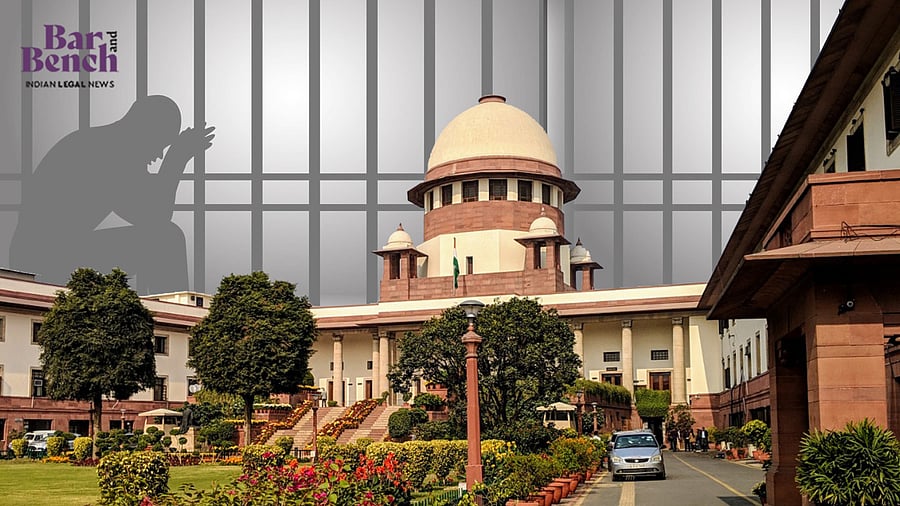
Shocking delay in murder trial prompts Supreme Court to grant bail to accused who spent 9 years in jail
Abstract
The Supreme Court of India has granted bail to a murder accused who had spent over nine years in jail, citing the shocking delay in the trial and the prolonged incarceration of the accused. The court invoked its powers under Article 32 of the Constitution to grant relief to Liakat Ali, who was charged with murder based on circumstantial evidence. The court noted that the trial is unlikely to conclude soon and ordered the accused's release subject to bail conditions.
Introduction
The Supreme Court's decision to grant bail to a murder accused who had spent nine years in jail has sparked debate about the pace of trials in India. The case highlights the need for courts to expedite proceedings and reduce the burden on accused persons who are forced to languish in prison for extended periods. This article examines the implications of the Supreme Court's ruling and its potential impact on the administration of justice in India.
Background
The Indian legal system has faced criticism for its slow pace of trials, which can result in lengthy incarceration for accused persons before they are even convicted. The Constitution of India guarantees the right to a fair trial within a reasonable time, but this right is often compromised due to delays in the trial process. In recent years, there have been efforts to reform the legal system and reduce the backlog of cases, including the introduction of new technologies and procedures to streamline proceedings.
Analysis
The Supreme Court's decision also raises questions about the role of bail in the Indian legal system. While bail is intended to ensure that accused persons do not flee or interfere with witnesses, its use can sometimes be seen as a means of circumventing the trial process altogether. In this case, the court's grant of bail subject to conditions imposed by the concerned trial court may help to balance these competing interests.
Conclusion
Practitioners should be aware of the potential implications of this decision for future cases and take note of the court's emphasis on the need for cooperation between courts and prosecuting agencies. As the Indian legal system continues to evolve, it is essential that all stakeholders work together to ensure that justice is delivered in a timely and fair manner.
How does this affect your business?
Get an AI analysis of this article grounded in your jurisdictions, practice areas, and any policy documents you've uploaded to Wansom.