
No medical emergency to remove Sonam Wangchuk from protest site: Gitanjali Angmo moves Delhi HC
Abstract
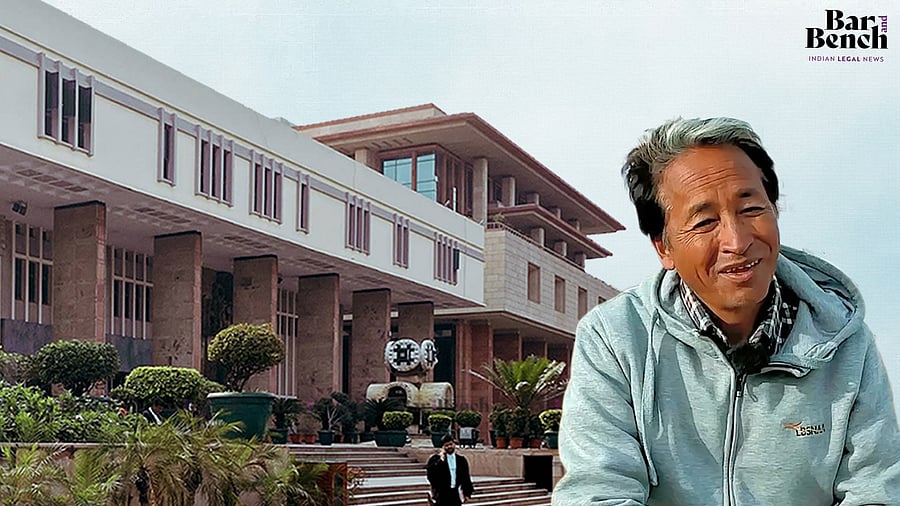
A petition has been filed in the Delhi High Court by Gitanjali J Angmo, alleging that Sonam Wangchuk is being illegally confined at Safdarjung Hospital and prevented from returning to his hunger strike at Jantar Mantar. The petition seeks an urgent hearing for Wangchuk's immediate discharge and transfer to a hospital or medical facility of their choice. It is contended that Wangchuk's continued hospitalisation is not backed by any formal legal order, but rather under the pretext of 'medical intervention' to remove him from the protest site.
Introduction
The recent petition filed in the Delhi High Court by Gitanjali J Angmo has brought to light a contentious issue regarding the confinement of Sonam Wangchuk at Safdarjung Hospital. The petition alleges that Wangchuk's removal from Jantar Mantar and continued hospitalisation are not backed by any formal legal order, but rather under the pretext of 'medical intervention'. This development is significant as it raises questions about the limits of medical intervention in the context of peaceful protests.
Background
The Delhi High Court has been monitoring Wangchuk's health through a public interest litigation. However, the petition filed by Angmo argues that this order did not authorise Wangchuk's forcible removal from Jantar Mantar or continued confinement at the hospital. The authorities' actions have been described as a 'device to remove him from, and prevent his return to, the site of his peaceful protest'. This raises concerns about the balance between maintaining public order and protecting individual rights.
Analysis
The petition filed by Angmo highlights the need for clarity on the limits of medical intervention in the context of peaceful protests. The Delhi High Court's order directing daily monitoring of Wangchuk's health was intended to ensure his well-being, but it appears that this has been used as a pretext to remove him from the protest site. This development raises questions about the role of the authorities in managing public protests and the need for clear guidelines on when medical intervention can be used to restrict individual freedoms.
Conclusion
The outcome of this matter has not yet been reported, but it is clear that the petition filed by Angmo has significant implications for the balance between maintaining public order and protecting individual rights. Practitioners should closely follow developments in this case as it may set a precedent for future cases involving peaceful protests and medical intervention.
How does this affect your business?
Get an AI analysis of this article grounded in your jurisdictions, practice areas, and any policy documents you've uploaded to Wansom.