
Commonwealth training models for Senior Counsel: What the BCI can actually use
Abstract
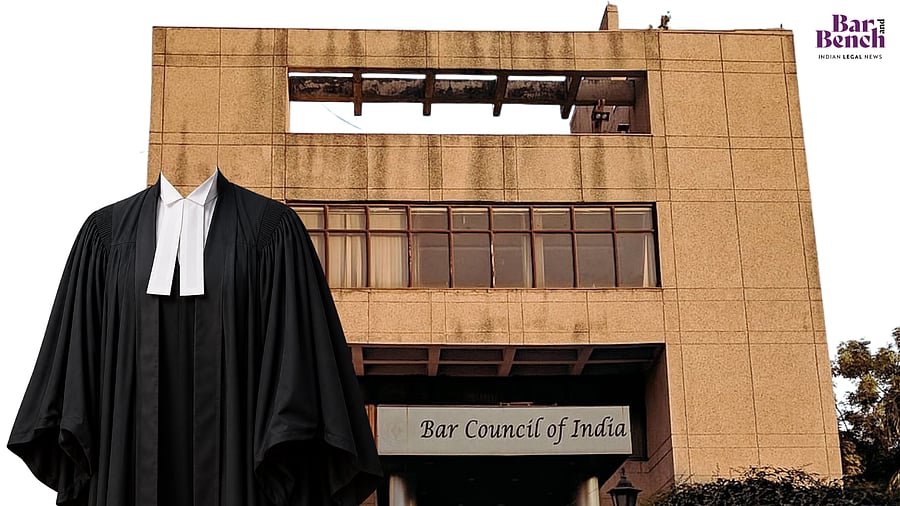
The Bar Council of India's press release on Ajay Vijh v. Indian Banks Association highlights the importance of Continuing Legal Education (CLE) and post-designation training for Senior Advocates in India. The judgment emphasizes the need for institutionalized training for lawyers designated for their professional expertise or excellence, similar to practices in Commonwealth jurisdictions such as the United Kingdom. This article explores the implications of this direction on CLE and proposed National Legal Academy for Indian lawyers, particularly those designated as Senior Counsel.
Introduction
The recent judgment in Ajay Vijh v. Indian Banks Association has sparked interest among legal professionals in India regarding the importance of Continuing Legal Education (CLE) and post-designation training for Senior Advocates. The Bar Council of India's press release on this matter focuses primarily on the favorable aspects of the judgment, particularly the recognition of the Bar's independence and self-regulatory character. However, a closer examination of the judgment reveals that the more significant aspect is the direction on CLE and the proposed National Legal Academy. This article aims to explore the implications of this direction for Indian lawyers, particularly those designated as Senior Counsel.
Background
In Commonwealth jurisdictions such as the United Kingdom, there are established practices for post-designation training and education for lawyers designated for their professional expertise or excellence. The Bar Standards Board's (BSB) Continuing Professional Development (CPD) rules require every barrister, including King’s Counsel, to complete a certain number of hours of continuing professional development. This includes mandatory components on advocacy and ethics, which are completed by pupil barristers through the New Practitioners' Programme. Even after designation as a King’s Counsel, lawyers in the UK continue to be bound by these CPD rules.
Analysis
The direction on CLE and proposed National Legal Academy in the judgment has significant implications for Indian lawyers, particularly those designated as Senior Counsel. The absence of institutionalized training for lawyers in India is a departure from best practices in Commonwealth jurisdictions. The Bar Council of India must address this gap by implementing post-designation training and education programs for Senior Advocates. This would not only enhance their professional expertise but also enrich the legal profession as a whole. Furthermore, the proposed National Legal Academy could serve as a hub for CLE and post-designation training, providing a platform for lawyers to engage in continuing professional development.
Conclusion
The judgment in Ajay Vijh v. Indian Banks Association has highlighted the need for institutionalized training for lawyers designated for their professional expertise or excellence in India. The Bar Council of India must take steps to address this gap by implementing post-designation training and education programs for Senior Advocates. This would not only enhance their professional expertise but also enrich the legal profession as a whole.
How does this affect your business?
Get an AI analysis of this article grounded in your jurisdictions, practice areas, and any policy documents you've uploaded to Wansom.