
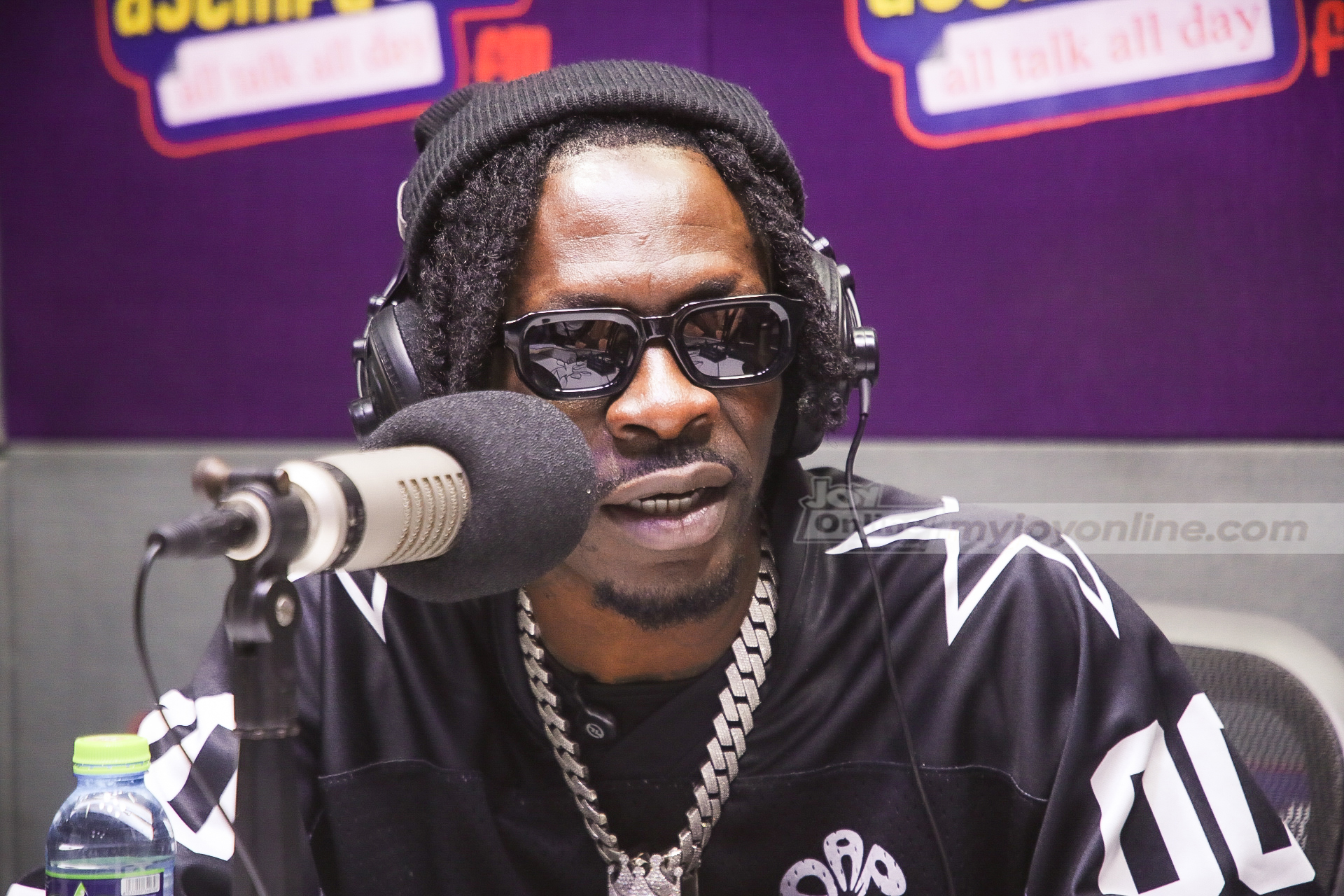
Shatta Wale: Outlines Ghana Social Media Regulation Framework Vision
Summary
- Ghanaian artist Shatta Wale has called on President John Dramani Mahama to establish a balanced framework for social media regulation in Ghana.
- His proposal aims to combat online defamation and harassment while simultaneously protecting constitutional freedom of expression and media.
- The artist suggests a collaborative effort involving Parliament, the Judiciary, security agencies, media institutions, and civil society to define legal responses to online misconduct.
- Key recommendations include strengthening social media account verification, potentially linked to Ghana Card and SIM registration, and ensuring platforms cooperate with court orders to identify individuals in proven cases of abuse.
- Shatta Wale also advocates for proportionate penalties, such as short custodial sentences for specific offenses, alongside explicit protection for legitimate criticism, journalism, satire, and political expression.
Ghana's Push for Online Accountability
His proposal seeks to distinguish between legitimate anonymous expression, which he believes should be preserved, and cases where anonymity is demonstrably exploited to facilitate proven abuse or unlawful conduct.
Ghanaian music artist Charles Nii Armah Mensah Jr., widely recognized as Shatta Wale, has publicly advocated for a balanced regulatory framework to address online misconduct while simultaneously safeguarding fundamental freedoms of expression. In an open letter dated September 28, addressed to President John Dramani Mahama, Shatta Wale articulated his vision for Ghana's approach to harmful online content, emphasizing the necessity of clearly defined laws, adherence to due process, and independent judicial oversight. This appeal follows President Mahama's earlier call for a national stakeholder dialogue to explore how platforms like TikTok and other new media should be regulated within the country.
President Mahama initiated this discussion during a town hall meeting with Ghanaians in New York on September 25. He highlighted the growing challenges associated with the widespread use of TikTok and similar platforms, specifically citing issues of misinformation, personal insults, and threats to information integrity. The President urged key organizations, including the Ghana Journalists Association (GJA) and the Media Foundation for West Africa (MFWA), to facilitate a gathering of relevant stakeholders. The objective of this dialogue would be to determine appropriate regulatory measures for new media and to consider the potential involvement of law enforcement agencies.
Shatta Wale's personal experiences as a public figure, frequently subjected to what he describes as unverified allegations and public ridicule, partly inform his stance. He contends that the problem of online abuse did not originate with social media but evolved from certain forms of entertainment commentary. This issue then migrated to online comment sections before being significantly amplified by platforms that enable instant broadcasting by anyone with a mobile device. The artist noted that the repercussions of such online behavior now extend far beyond celebrities, impacting traditional leaders, businesspeople, journalists, public officials, and ordinary citizens alike.
Crafting a Legal Framework for Online Conduct
Central to Shatta Wale's proposals is the assertion that while Ghana's 1992 Constitution guarantees freedom of speech and media, these protections should not be misconstrued as a license for threatening others, engaging in harassment, or deliberately disseminating damaging falsehoods. He underscored the imperative to protect these constitutional freedoms. To address serious and proven online misconduct, Shatta Wale suggested a collaborative effort involving Parliament, the Judiciary, security agencies, media institutions, and civil society. This multi-stakeholder approach aims to establish a precisely defined legal framework for Ghana online content regulation proposals.
Any such framework, according to his recommendations, must incorporate full due process and robust independent judicial oversight. Furthermore, the artist stressed the importance of explicitly protecting legitimate forms of expression, including criticism, journalistic reporting, satire, and political commentary. He firmly stated that citizens should not face punishment simply for critiquing a President, other public officials, or public figures, thereby distinguishing between genuine expression and harmful abuse.
Enhancing Platform Accountability and Verification
A significant component of Shatta Wale's proposed framework focuses on the responsibilities of social media platforms operating within Ghana. He advocated for these platforms to strengthen their account verification processes. This verification system, he suggested, could potentially leverage existing national identification infrastructure, such as the Ghana Card and the SIM registration system. Such integration would aim to create a more robust and accountable online environment, aligning with the broader Shatta Wale Ghana social media regulation framework.
Additionally, Shatta Wale called for social media platforms to cooperate with lawful, court-ordered requests to identify the individuals behind accounts implicated in proven instances of harassment or defamation. However, he also cautioned against implementing a blanket requirement for individuals to surrender their anonymity merely to participate in public discourse. His proposal seeks to distinguish between legitimate anonymous expression, which he believes should be preserved, and cases where anonymity is demonstrably exploited to facilitate proven abuse or unlawful conduct.
Proportionate Penalties for Online Misconduct
Regarding the consequences for online misconduct, Shatta Wale proposed that if Parliament decides to criminalize specific online behaviors, the associated penalties must be proportionate to the offense. He put forward the idea of considering short custodial sentences, not exceeding one month, for certain offenses. The stated purpose of such measures would be to act as a deterrent against harmful online activities, ensuring that legal repercussions are both fair and effective in discouraging abuse.
Practical Implications
Lawyers and compliance officers in Ghana should closely monitor the proposed stakeholder dialogue and potential legislative developments concerning social media regulation, as new laws could introduce stricter rules on online conduct, impact free speech defenses, and impose new compliance obligations on platforms or individuals regarding content, verification, and defamation.
Source
How does this affect you?
Get an AI analysis of this article grounded in your jurisdictions, practice areas, and any policy documents you've uploaded to Wansom.
Finish Reading the Full Story and the Expert Analysis.
Get the latest legal & regulatory intelligence in Ghana
Wansom is AI and can make mistakes.