
Shatta Wale: GH¢5M Ghana Government Payment Claim for Black Stars Promotion
Summary
- Ghanaian dancehall artiste Shatta Wale claims the government owes him GH¢5 million for promotional activities for the 2026 FIFA World Cup.
- The outstanding amount is for postings, advertisements, and other work to rally support for the Black Stars, for which he states he has received no payment.
- Shatta Wale expressed frustration, alleging that government officials, including a minister and deputy finance minister, have not responded to his calls regarding the debt.
- This claim arises against the backdrop of the government releasing GH¢76 million in June 2026 for the Black Stars' World Cup campaign.
- Separately, Shatta Wale and his team personally contributed US$100,000 to the Black Stars' World Cup efforts in March.
What Happened
For legal practitioners, this case serves as a stark reminder of the contractual risks for creative industry professionals engaging with the Ghanaian government.
Ghanaian dancehall sensation Shatta Wale has publicly asserted that the nation's government is indebted to him for approximately GH¢5 million. This substantial sum, according to the artiste, represents unpaid compensation for extensive promotional activities and advertisements he undertook to bolster support for the Black Stars' participation in the 2026 FIFA World Cup. The "Shatta Wale Ghana government payment claim" centers on work that included various postings and advertising campaigns, all designed to rally national enthusiasm for Ghana's campaign in the upcoming international tournament.
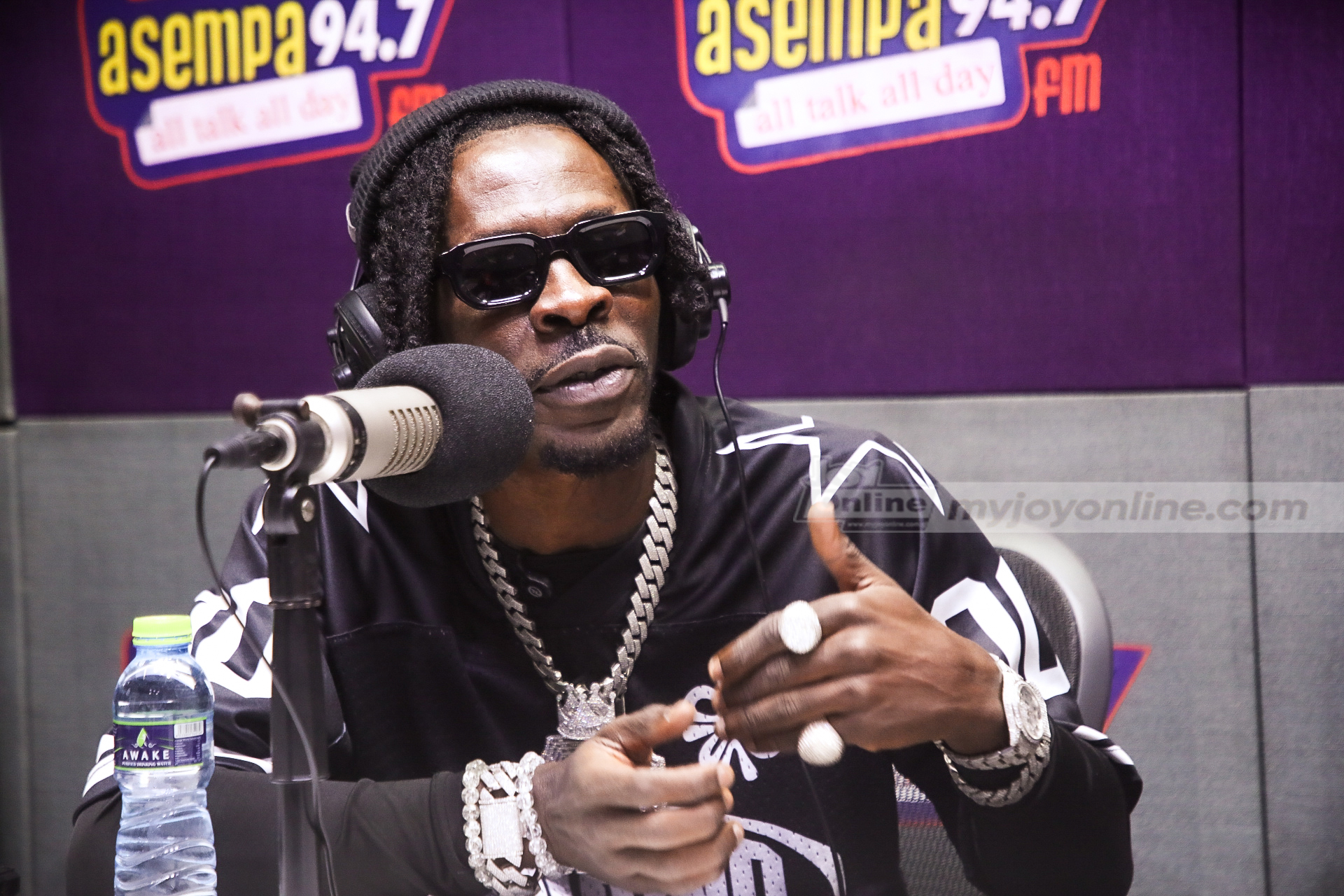
Despite completing the agreed-upon work, Shatta Wale, whose real name is Charles Nii Armah Mensah Jr., revealed in an interview with GHOne TV that he has yet to receive any remuneration. He expressed profound frustration over the situation, describing it as "total disrespect." The musician further alleged that his attempts to contact relevant government officials, including a minister and the deputy finance minister, have been met with silence, with his calls reportedly going unanswered.
Broader Context
This significant "GH¢5 million government debt Ghana" claim by Shatta Wale emerges amidst a wider government-led initiative to fund and mobilize support for the Black Stars ahead of the 2026 World Cup. In June 2026, the government announced a substantial allocation of GH¢76 million specifically to support the national team's World Cup endeavors. This funding package was divided, with GH¢58 million designated for preparations and group-stage expenses, and an additional GH¢17 million allocated to settle outstanding qualification bonuses for the team.
It is important to note that Shatta Wale's alleged unpaid services for "Shatta Wale Black Stars promotion" are distinct from his own public support for the national team. In March of the same year, the artiste, along with his Hotwav team, made a personal contribution of US$100,000 towards the Black Stars' World Cup efforts during a fundraising initiative. This personal donation underscores his commitment to the team, even as he navigates a "Ghana government contract dispute" over his professional services.
Why It Matters
The ongoing dispute between Shatta Wale and the Ghanaian government highlights a critical issue within the nation's creative industry, particularly concerning professionals engaged for national programs. This incident brings to the forefront the challenges faced by artistes and service providers when their work, often promotional services under commercial arrangements, goes unpaid by state entities. It underscores a broader concern regarding the relationship dynamics and accountability between government institutions and the creative sector.
For legal practitioners, this case serves as a stark reminder of the contractual risks for creative industry professionals engaging with the Ghanaian government. It emphasizes the imperative for robust contract drafting, ensuring explicit payment terms and clear deliverables are established from the outset. Furthermore, it highlights the necessity for legal strategies to enforce payment obligations against state entities, thereby mitigating the risks of "unpaid government services Ghana" and protecting the livelihoods of professionals contributing to national initiatives. The situation calls for greater transparency and more reliable payment mechanisms for "Ghana creative industry payments" to foster a healthier and more predictable environment for collaboration.
Practical Implications
This case highlights the contractual risks for creative industry professionals engaging with the Ghanaian government. Lawyers should advise clients on robust contract drafting, clear payment terms, and strategies for enforcing payment obligations against state entities to mitigate non-payment risks.
Source
How does this affect you?
Get an AI analysis of this article grounded in your jurisdictions, practice areas, and any policy documents you've uploaded to Wansom.
Finish Reading the Full Expert Analysis.
Wansom is AI and can make mistakes.