
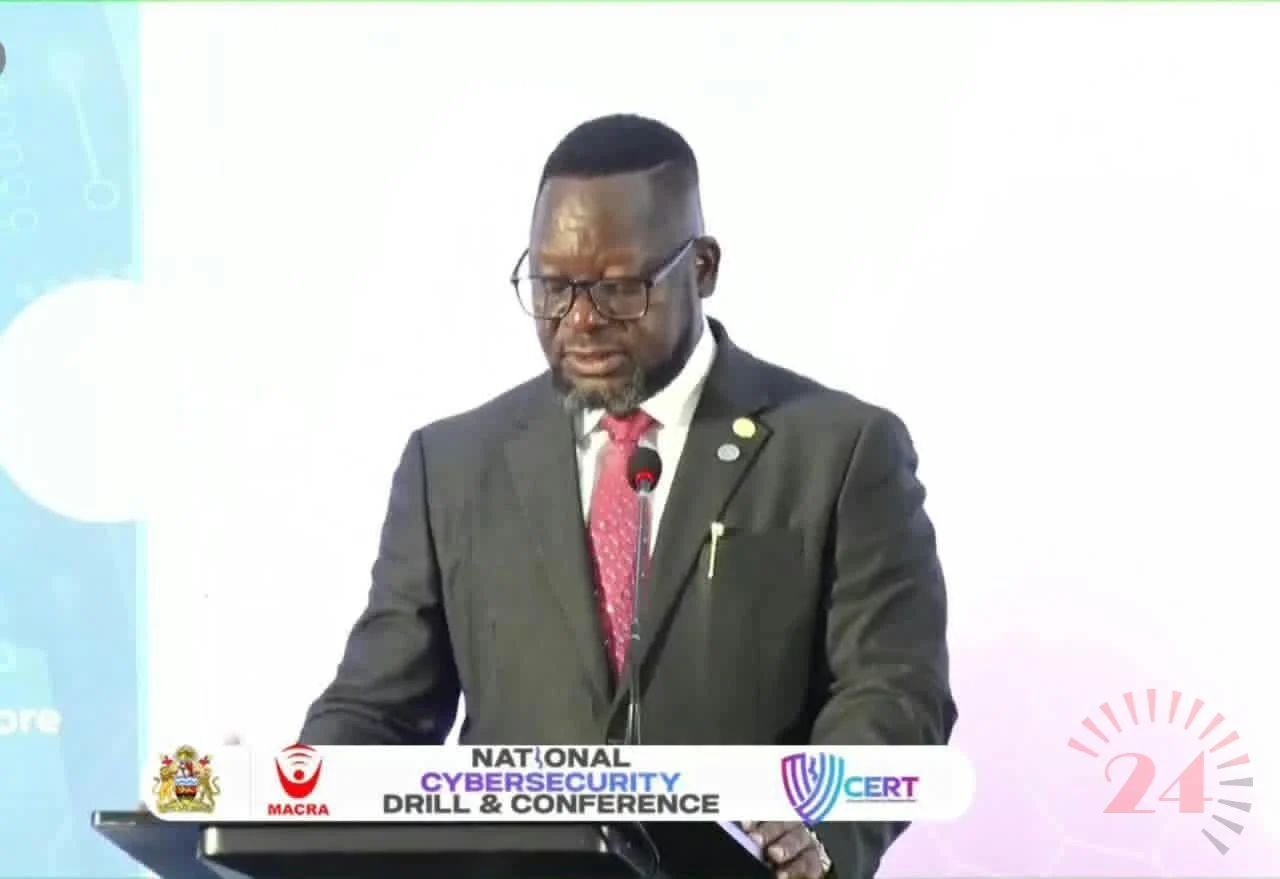
Shadric Namalomba: Challenges Malawi on Facebook Cyberbullying Enforcement
Summary
- Malawi's Information Minister, Shadric Namalomba, has publicly claimed to be the most cyberattacked person on the internet.
- He has challenged law enforcement authorities to take action against those responsible for unlawful online harassment and cyberbullying.
- Namalomba highlighted that government spokespersons are frequently targeted by cyberattacks on social media platforms.
- His statements raise significant questions regarding the enforcement of existing cybercrime laws in Malawi.
- The response to this high-profile complaint could establish a crucial precedent for future online harassment cases in the country.
Minister Namalomba's Urgent Plea Against Online Attacks
The manner in which this high-profile complaint is addressed could establish a crucial precedent for how similar cases of online misconduct are handled in the future.
Malawi's Information Minister, Shadric Namalomba, has publicly identified himself as the individual most frequently subjected to online attacks across the internet. This stark declaration underscores a significant personal experience with digital aggression, prompting him to issue a direct challenge to the nation's law enforcement agencies. Minister Namalomba is urging these authorities to take decisive action against those responsible for perpetrating unlawful online harassment and cyberbullying, highlighting a critical need for intervention in the digital sphere.
His impassioned call for accountability specifically targets individuals engaging in illegal forms of online harassment and cyberbullying. The minister's remarks bring into sharp focus the pervasive nature of such activities on social media platforms within Malawi, necessitating a thorough examination of how existing legal frameworks are being applied to address digital misconduct. The personal testimony of a high-ranking official like Mr. Namalomba, who has experienced these "cyberattacks" firsthand, adds considerable weight to his demand for more robust and visible enforcement against online perpetrators.
Pervasive Online Harassment and Enforcement Gaps in Malawi
The problem of online aggression and digital targeting extends beyond the Information Minister himself. Mr. Namalomba pointed out that government spokespersons are also frequently subjected to "cyberattacks" on various social media platforms. This pattern of "government spokespersons cyberattacks" reveals a broader vulnerability among public officials to digital harassment, indicating a systemic issue that impacts multiple levels of public service and communication. The minister's comments implicitly raise questions about the effectiveness of current "Malawi social media law enforcement" mechanisms in adequately protecting individuals, particularly those in public roles, from such persistent digital assaults.
This widespread issue has intensified discussions surrounding the "Malawi cybercrime enforcement challenge." Despite the presence of "online harassment laws Malawi" designed to combat such digital offenses, there appears to be a perceived disconnect in their consistent and effective application. The ongoing frequency of these online incidents, especially when they target prominent figures like Minister Namalomba, suggests that existing enforcement strategies may not be sufficiently deterring perpetrators or providing adequate recourse for victims of "Shadric Namalomba Facebook cyberbullying Malawi" and similar cases of online abuse. The challenge now lies in translating legal provisions into tangible protection for citizens.
Implications for Future Cybercrime Law Enforcement in Malawi
The direct challenge issued by Information Minister Shadric Namalomba concerning "Shadric Namalomba Facebook cyberbullying Malawi" and other forms of online attacks carries substantial implications for the future of cybercrime enforcement within the nation. His public appeal to authorities to effectively address unlawful online harassment and cyberbullying places a significant spotlight on the operational capacity and commitment of law enforcement agencies to actively tackle digital offenses. The manner in which this high-profile complaint is addressed could establish a crucial precedent for how similar cases of online misconduct are handled in the future.
This situation compels both legal professionals and the general public to closely monitor how law enforcement agencies in Malawi will respond to these demands. The approach taken by authorities in addressing the minister's concerns about the application of "online harassment laws Malawi" and the broader "Malawi cybercrime enforcement challenge" could signal a pivotal shift in the interpretation or practical application of existing statutes. Such a development would, in turn, significantly influence future legal outcomes for individuals involved in online harassment and ultimately shape the acceptable standards of social media conduct across the country.
Practical Implications
Lawyers should monitor how law enforcement responds to high-profile cyberbullying complaints in Malawi, particularly those involving public figures like Information Minister Namalomba, as this could signal a shift in the application or enforcement of existing cybercrime laws, potentially impacting future cases involving online harassment and social media conduct.
Source
Source: Original reporting via Malawi24
How does this affect you?
Get an AI analysis of this article grounded in your jurisdictions, practice areas, and any policy documents you've uploaded to Wansom.
Finish Reading the Full Story and the Expert Analysis.
Wansom is AI and can make mistakes.