
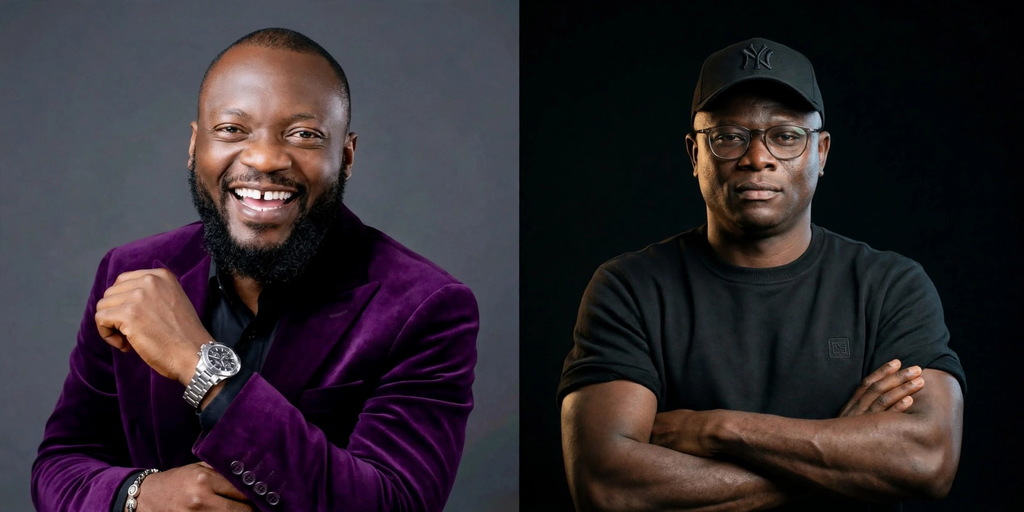
Liberia: Shad Harris Alleges Bong Officials' Unlawful Equipment Seizure
Summary
- Shad Harris, owner of Bethel Farms, alleges that Bong County agriculture officials illegally seized a rice-processing machine, assaulted his caretaker, and damaged his property.
- Harris accuses Robert B. Taylor and Jomah Dolo of misconduct during the operation, which Dolo denies, stating the retrieval was authorized and overseen by police.
- The dispute stems from disagreements over the management of donor-funded agricultural assistance, with Harris claiming discrepancies between promised and received aid.
- Harris has threatened legal action against the officials and called for a comprehensive audit of donor-funded agricultural machinery in Bong County.
- The incident highlights broader concerns about accountability and oversight in government-supported farming programs in Liberia.
Allegations of Misconduct and Seizure
This situation presents a significant case study for legal professionals, illustrating the potential for civil claims against government officials for alleged illegal seizure of property and assault.
A farmer in Liberia's Bong County has leveled serious accusations against two local agriculture officials, alleging the unlawful seizure of a rice-processing machine, an assault on his caretaker, and significant damage to his property. Shad Harris, known as Junior Harris, who owns Bethel Farms in Suakoko District, claims that Robert B. Taylor, the Bong County Agriculture Coordinator, and Jomah Dolo, the county focal person for the Rural Economic Transformation Project (RETRAP), engaged in misconduct during an operation to retrieve agricultural equipment. The incident reportedly involved the removal of a rice-processing machine that had been provided to his farm in 2025.
Currently residing in the United States, Harris asserts that the officials acted without his authorization, causing damage to his warehouse and leaving harvested rice vulnerable to environmental exposure. He has publicly stated his intention to pursue legal action against both Taylor and Dolo, while also advocating for a thorough audit of all donor-funded agricultural machinery distributed throughout Bong County. In response, Dolo has vehemently denied Harris’s account, labeling it as untrue. Dolo maintains that the retrieval of the equipment was conducted legitimately, with police officers and other county authorities present to oversee the process.
The Genesis of the Dispute
The escalating conflict traces back to a disagreement over the administration of agricultural assistance provided to Bethel Farms. Harris recounted that he and his wife initiated the development of their Suakoko farmland in September 2024, initially focusing on cassava production using their own financial resources. They invested considerably in land clearing, hiring labor, and providing essential provisions for their workers before being approached about participating in a government-backed rice cultivation program. In January 2025, Taylor reportedly encouraged the couple to transition to rice farming, highlighting available government support through a program linked to Dolo.
Despite their initial reluctance to cultivate rice, Harris and his wife agreed after discussions detailing the assistance available to participating farmers. Harris claims that the initial understanding suggested farmers cultivating 25 hectares of rice could receive aid exceeding US$25,000. However, Bethel Farms ultimately received approximately US$10,000 for rice development, with Harris separately receiving US$2,000 for 2.5 hectares he had cultivated independently prior to a visit from the agriculture minister. The US$10,000 allocation was reportedly managed by a project manager named Grace, who directly paid workers rather than disbursing funds to Harris. This arrangement became a point of contention, as Harris and his wife had already expended significant personal funds to support their workers while awaiting project disbursements, including paying wages, providing meals, and purchasing protective gear like boots. These ongoing disagreements regarding the administration of aid ultimately led Harris to sever his professional ties with Taylor and Dolo. Furthermore, Harris has accused Taylor of diverting portions of agricultural supplies intended for his farm for resale, though he did not provide specific quantities or documentary evidence to support this particular allegation.
Accountability and Project Oversight
The ongoing dispute in Bong County underscores critical questions surrounding the management of agricultural assistance, the process of selecting beneficiaries, and the effective monitoring of equipment distributed under government-supported farming initiatives. Shad Harris's allegations of an illegal seizure and assault, coupled with his call for a comprehensive audit, highlight the potential for misconduct within donor-funded projects. The contrasting narratives from Harris and RETRAP official Jomah Dolo emphasize the need for clear accountability mechanisms and transparent operational procedures in such programs.
This situation presents a significant case study for legal professionals, illustrating the potential for civil claims against government officials for alleged illegal seizure of property and assault. It also brings to the forefront the broader imperative for robust internal audits and stringent accountability frameworks within donor-funded agricultural projects in Liberia. Such measures are crucial to prevent similar disputes and address allegations of misconduct, ensuring that agricultural aid effectively reaches its intended recipients and supports sustainable development.
Practical Implications
Lawyers should note the potential for civil claims against government officials for assault and illegal seizure of property, as well as the need for robust internal audits and accountability mechanisms in donor-funded agricultural projects in Liberia to mitigate similar disputes and allegations of misconduct.
Source
How does this affect you?
Get an AI analysis of this article grounded in your jurisdictions, practice areas, and any policy documents you've uploaded to Wansom.
Finish Reading the Full Story and the Expert Analysis.
Get the latest legal & regulatory intelligence in Liberia
Wansom is AI and can make mistakes.