
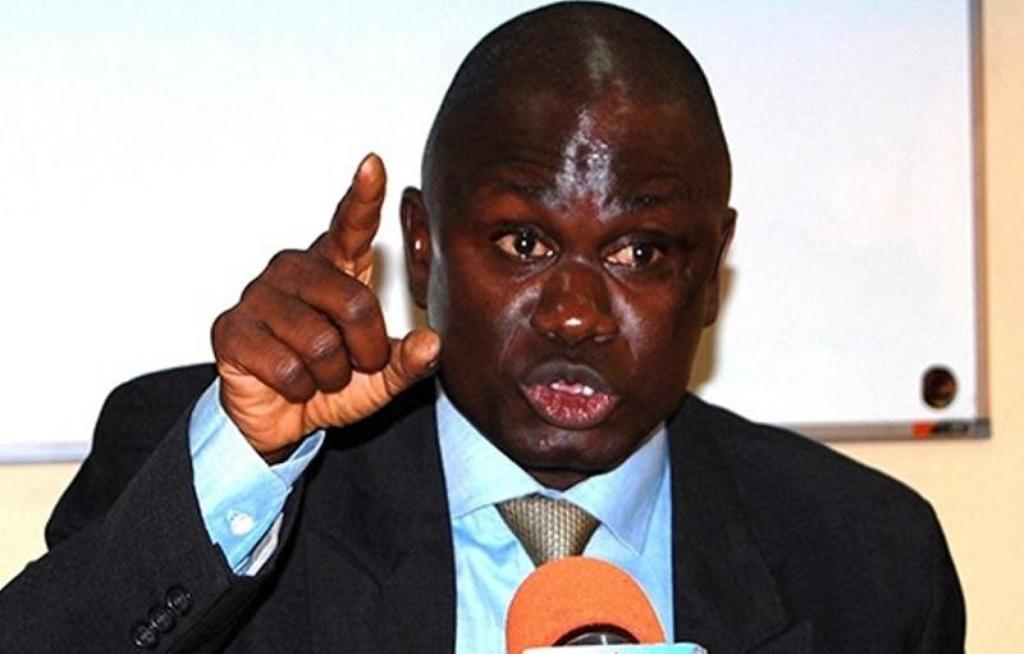
Seydi Gassama: Senegal Social Media Regulation Risks 'Tyranny'
Summary
- Seydi Gassama, Executive Director of Amnesty International Senegal, has warned against social media regulation in the country.
- Gassama believes such regulation could lead Senegal back to a period of "tyranny" experienced between 2021 and 2024.
- His warning responds to Mary Teuw Niane, who previously served as President Diomaye Faye's Chief of Staff, and called for regulating the sector.
- Niane criticized online "violence and aggressiveness," implicitly referencing Ousmane Sonko and his supporters, and sought to reclaim the digital space from "merchants of hate."
- Gassama argues social media empowers citizens' expression, forcing elites to acknowledge this reality.
A Brewing Debate Over Digital Governance
Lawyers and compliance officers in Senegal should closely monitor this ongoing debate, as it signals potential legislative or regulatory changes concerning social media use, which could impact freedom of expression, digital content policies, and corporate communication strategies, requiring proactive legal and compliance adjustments.
A significant debate is unfolding in Senegal concerning the potential regulation of social media platforms, drawing a sharp warning from Seydi Gassama, the Executive Director of Amnesty International Senegal. Gassama has publicly cautioned that such measures could regress the nation to a period of "tyranny" akin to the years between 2021 and 2024. This intervention by the prominent human rights advocate directly challenges the stance of the presidential administration, framing the discussion as a critical "Senegal freedom of expression debate."
Gassama's strong admonition comes in direct response to recent statements made by Mary Teuw Niane, who previously served as Chief of Staff to President Diomaye Faye. Niane had previously published an op-ed advocating for greater control over the digital sphere. The controversy highlights a fundamental disagreement between civil society and government figures regarding the appropriate level of state intervention in online communication, particularly concerning "Seydi Gassama social media regulation Senegal."
Official Calls for Social Media Control
Mary Teuw Niane, representing the presidential camp, articulated a vision for a more controlled digital environment in his public commentary. While not explicitly naming individuals, Niane's op-ed criticized the "violence and aggressiveness" he observed on social media, implicitly addressing the online conduct associated with figures like Ousmane Sonko and his supporters. His concerns underscore a perceived need for stricter "Mary Teuw Niane social media control" to curb what he described as harmful online discourse.
Niane specifically called for the regulation of the social media sector, advocating for the state to reclaim the digital space from what he termed "merchants of hate." He concluded his piece by stating that this reassertion of control over the digital realm is essential for constructing a "sovereign, just, prosperous Senegal, firmly rooted in its strong values." This perspective outlines a clear "Senegal digital governance policy" aimed at shaping the national online landscape.
Human Rights Concerns and Digital Freedoms
In stark contrast to the government's position, Seydi Gassama, a key voice for "Amnesty International Senegal digital rights," emphasized the empowering role of social media for ordinary citizens. He argued that these platforms have significantly enhanced the public's ability to express themselves, thereby compelling political, economic, and intellectual elites to acknowledge and respond to this new reality. Gassama views any attempt to regulate these platforms as a potential threat to fundamental liberties.
Gassama's primary concern is that imposing restrictions on social media could reverse democratic gains and lead Senegal back to a period of "tyranny" that the country experienced between 2021 and 2024. His warning, reported by pressafrik, underscores the belief that digital spaces are crucial for civic engagement and accountability, and that excessive "Seydi Gassama social media regulation Senegal" could stifle legitimate dissent and public discourse.
The Stakes for Senegal's Digital Future
The ongoing "Senegal freedom of expression debate" between human rights advocates and the presidential administration carries significant implications for the nation's future digital landscape and its commitment to civil liberties. The outcome of this discussion could shape the legal framework governing online speech, influencing how citizens interact, express dissent, and hold power accountable. This pivotal moment demands careful consideration of both the perceived harms of unregulated online content and the potential for state overreach.
For legal professionals and compliance officers operating within Senegal, this evolving situation signals potential legislative or regulatory changes concerning social media use. Such developments could directly impact freedom of expression, digital content policies, and corporate communication strategies, necessitating proactive legal and compliance adjustments. Monitoring this debate is crucial for understanding the trajectory of "Senegal digital governance policy" and its practical ramifications across various sectors.
Practical Implications
Lawyers and compliance officers in Senegal should closely monitor this ongoing debate, as it signals potential legislative or regulatory changes concerning social media use, which could impact freedom of expression, digital content policies, and corporate communication strategies, requiring proactive legal and compliance adjustments.
Source
How does this affect you?
Get an AI analysis of this article grounded in your jurisdictions, practice areas, and any policy documents you've uploaded to Wansom.
Finish Reading the Full Story and the Expert Analysis.
Get the latest legal & regulatory intelligence in Senegal
Wansom is AI and can make mistakes.