
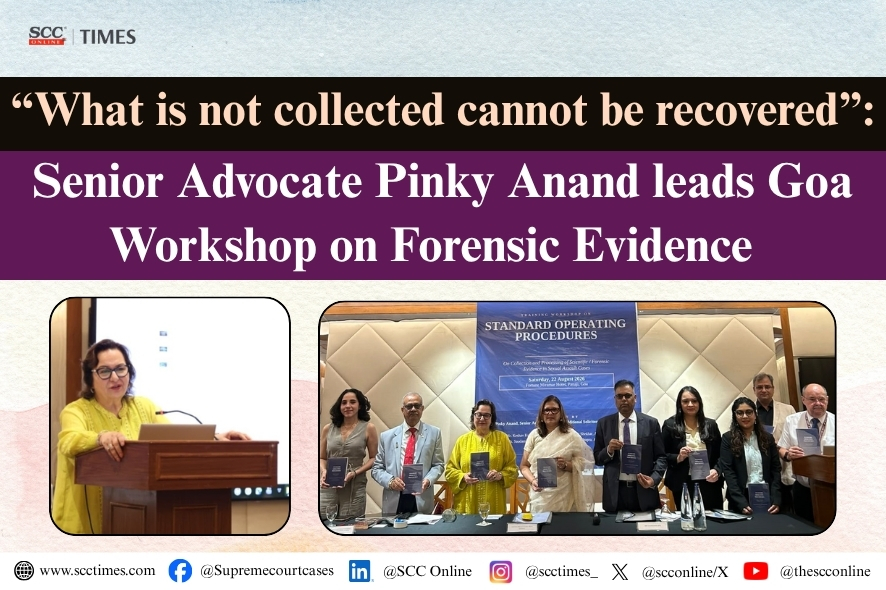
Pinky Anand: Goa Forensic Evidence SOPs Workshop Strengthens Handling
Summary
- Senior Advocate Pinky Anand conducted a training workshop in Goa.
- The workshop focused on strengthening SOPs for forensic evidence collection and presentation.
- It specifically addressed cases of sexual assault, gender-based violence, and child abuse.
- The training emphasized that uncollected evidence cannot be recovered.
- The initiative aimed to improve the implementation of forensic protocols in sensitive legal matters.
Goa Workshop Targets Forensic Evidence Protocols
A guiding principle underpinning the workshop, encapsulated by the statement, "What is not collected cannot be recovered," underscores the irreversible consequences of inadequate forensic practices.
Senior Advocate Pinky Anand recently spearheaded a specialized training workshop in Goa, focusing on the critical area of forensic evidence. The initiative was designed to bolster the implementation of Standard Operating Procedures (SOPs) concerning both the collection and presentation of forensic evidence within the judicial system. This particular Pinky Anand sexual assault evidence workshop addressed cases involving sexual assault, gender-based violence, and child abuse, underscoring the sensitive nature and high stakes associated with these legal proceedings.
The workshop's primary objective was to enhance the practical application of established guidelines, ensuring that forensic evidence is handled with the utmost precision from its initial discovery through to its eventual presentation in court. By concentrating on strengthening these crucial SOPs, the program aimed to elevate the overall quality and reliability of evidence used in some of the most challenging and emotionally charged legal cases. The focus on implementation suggests an effort to bridge any gaps between existing protocols and their real-world execution by practitioners.
Strengthening Evidentiary Standards
The emphasis on robust Goa forensic evidence collection SOPs is paramount for maintaining the integrity of the justice system. In cases of sexual assault, gender-based violence, and child abuse, forensic evidence often plays a decisive role, providing objective information that can corroborate victim testimony or establish facts where direct witness accounts are limited. Proper collection techniques ensure that evidence is not contaminated, degraded, or mishandled, which could otherwise compromise its admissibility or weight in court.
Beyond collection, the workshop also dedicated significant attention to the SOPs presentation forensic evidence. Effective presentation is vital for judges and juries to understand the scientific findings and their relevance to the case. This includes clear documentation, expert testimony, and visual aids that accurately convey complex forensic data. By refining these processes, the training sought to empower legal and investigative professionals to build stronger cases and ensure that justice is served based on sound, scientifically validated evidence.
Critical Focus on Vulnerable Victims
The selection of sexual assault, gender-based violence, and child abuse as the specific categories for this training highlights a critical need for specialized protocols in these areas. Victims in such cases are often highly vulnerable, and the investigative and judicial processes can be re-traumatizing if not handled with extreme care and professionalism. Improved forensic evidence handling, as promoted by the Pinky Anand Goa forensic evidence SOPs initiative, contributes directly to a more victim-centric approach, ensuring that their experiences are thoroughly documented and respected through objective means.
Effective child abuse forensic evidence training, alongside similar programs for gender-based violence evidence India, is essential for securing convictions and deterring future offenses. The workshop’s focus on these specific types of cases acknowledges the unique challenges they present, from securing consent for examinations to preserving fragile evidence and navigating complex legal frameworks. By strengthening the procedural backbone for these investigations, the initiative aims to enhance the overall effectiveness of the legal response to these grave crimes.
The Irrecoverable Nature of Uncollected Evidence
A guiding principle underpinning the workshop, encapsulated by the statement, "What is not collected cannot be recovered," underscores the irreversible consequences of inadequate forensic practices. This powerful assertion highlights the critical window of opportunity that exists immediately following an incident to gather crucial evidence. Once lost or overlooked, forensic clues can rarely, if ever, be retrieved, potentially impacting the entire trajectory of an investigation and subsequent legal proceedings.
This principle reinforces the imperative for all personnel involved in the initial response and evidence collection to be meticulously trained and adhere strictly to established SOPs. The workshop led by Senior Advocate Pinky Anand in Goa aimed to instill this understanding, ensuring that professionals are equipped with the knowledge and skills to identify, collect, and preserve every piece of potential evidence. By doing so, it seeks to prevent the loss of vital information that could otherwise be instrumental in achieving justice for victims of sexual assault, gender-based violence, and child abuse.
Practical Implications
Lawyers involved in prosecuting or defending cases of sexual assault, gender-based violence, or child abuse in Goa should be aware of strengthened SOPs for forensic evidence collection and presentation. This could impact the admissibility and weight of evidence, requiring careful attention to procedural compliance and potential challenges based on these updated standards.
Source
How does this affect you?
Get an AI analysis of this article grounded in your jurisdictions, practice areas, and any policy documents you've uploaded to Wansom.
Wansom is AI and can make mistakes.