
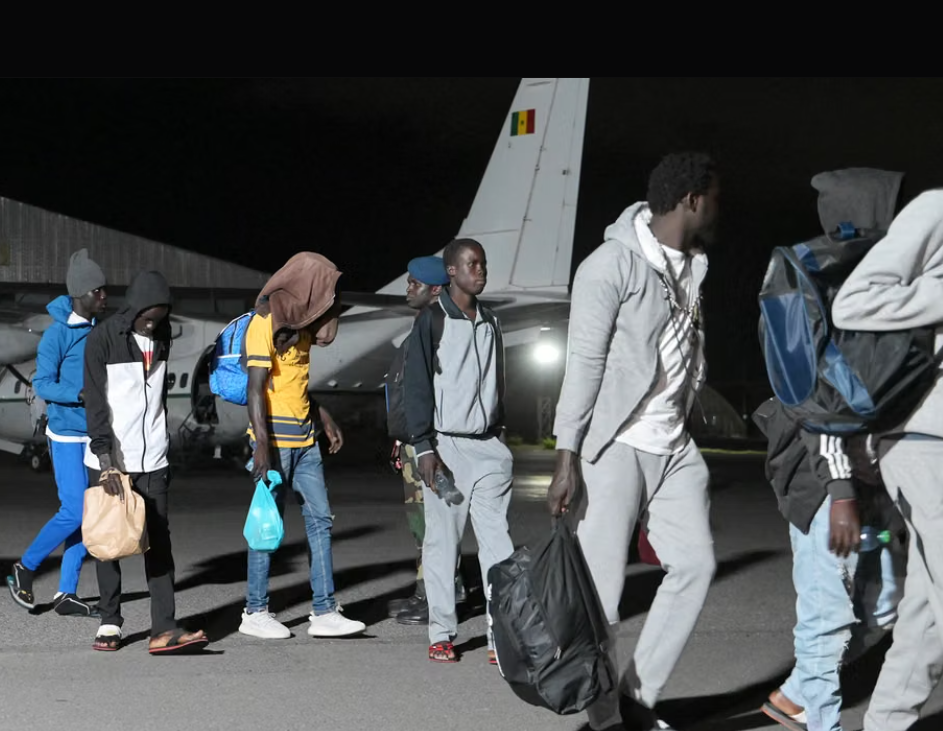
Senegal: South Africa Xenophobia Forces Repatriation of 60 Nationals
Summary
- Approximately 60 Senegalese nationals, including children, returned to Dakar on Monday evening.
- They had lived in South Africa for several years before their repatriation.
- Their decision to return was prompted by harassment, threats, and xenophobic violence experienced in South Africa.
What Happened
The decision by these Senegalese migrants to return to Dakar, fleeing threats and harassment, underscores the urgent need for comprehensive strategies to combat xenophobia and ensure migrant protection.
A group of approximately sixty Senegalese nationals, including several children, recently completed their repatriation journey, arriving back in Dakar on a Monday evening. This significant return marks the end of several years spent living in South Africa for these individuals. Their decision to leave was not voluntary but a direct response to persistent harassment, threats, and the pervasive issue of xenophobic violence they encountered within the country.
These Senegalese migrants chose to return to their home nation, Senegal, after enduring conditions that made continued residence in South Africa untenable. The incident underscores the ongoing challenges faced by foreign nationals in the region, where the threat of xenophobic attacks can force communities to seek safety elsewhere. The collective return of these individuals to Dakar highlights a critical instance of Senegalese repatriation from South Africa, driven by the urgent need to escape a hostile environment.
Context of Xenophobia
The departure of these Senegalese citizens is not an isolated incident but rather reflects a broader, troubling pattern of xenophobic attacks and sentiment that has historically plagued South Africa. Foreign nationals, particularly those from other African countries, have frequently been targets of violence, discrimination, and intimidation. This environment creates significant challenges for migrant protection in South Africa, often leaving individuals feeling vulnerable and without adequate recourse.
Despite constitutional protections and international human rights commitments, the reality on the ground for many foreign residents can be starkly different. The persistent risk of such violence necessitates a robust response from authorities and civil society alike to ensure the safety and human rights of all individuals residing within the nation's borders. This particular Senegalese repatriation due to South Africa xenophobia serves as a stark reminder of the human cost of such societal tensions.
Why It Matters
The forced repatriation of these Senegalese nationals due to xenophobic violence carries profound implications for human rights foreign nationals in South Africa and for regional stability. Such events not only disrupt individual lives but also strain diplomatic relations and undermine efforts towards regional integration and cooperation across Africa. The need for effective legal frameworks and enforcement mechanisms to protect migrants and address the root causes of xenophobia becomes critically apparent in light of such incidents.
For legal and compliance officers, this situation highlights a persistent and material risk when advising clients with personnel operating in South Africa. The threat of xenophobic attacks must be a central consideration in risk management strategies, immigration advice, and human rights due diligence. Understanding the complexities of the repatriation legal framework in Africa, even in a general sense, and the specific challenges within South Africa, is crucial for ensuring the safety and well-being of foreign staff and for upholding corporate social responsibility. The decision by these Senegalese migrants to return to Dakar, fleeing threats and harassment, underscores the urgent need for comprehensive strategies to combat xenophobia and ensure migrant protection.
Practical Implications
This incident highlights the persistent risk of xenophobic violence against foreign nationals in South Africa, which legal and compliance officers must consider when advising clients on immigration, human rights, or risk management for personnel operating in the region.
Source
How does this affect you?
Get an AI analysis of this article grounded in your jurisdictions, practice areas, and any policy documents you've uploaded to Wansom.
Finish Reading the Full Story and the Expert Analysis.
Wansom is AI and can make mistakes.