
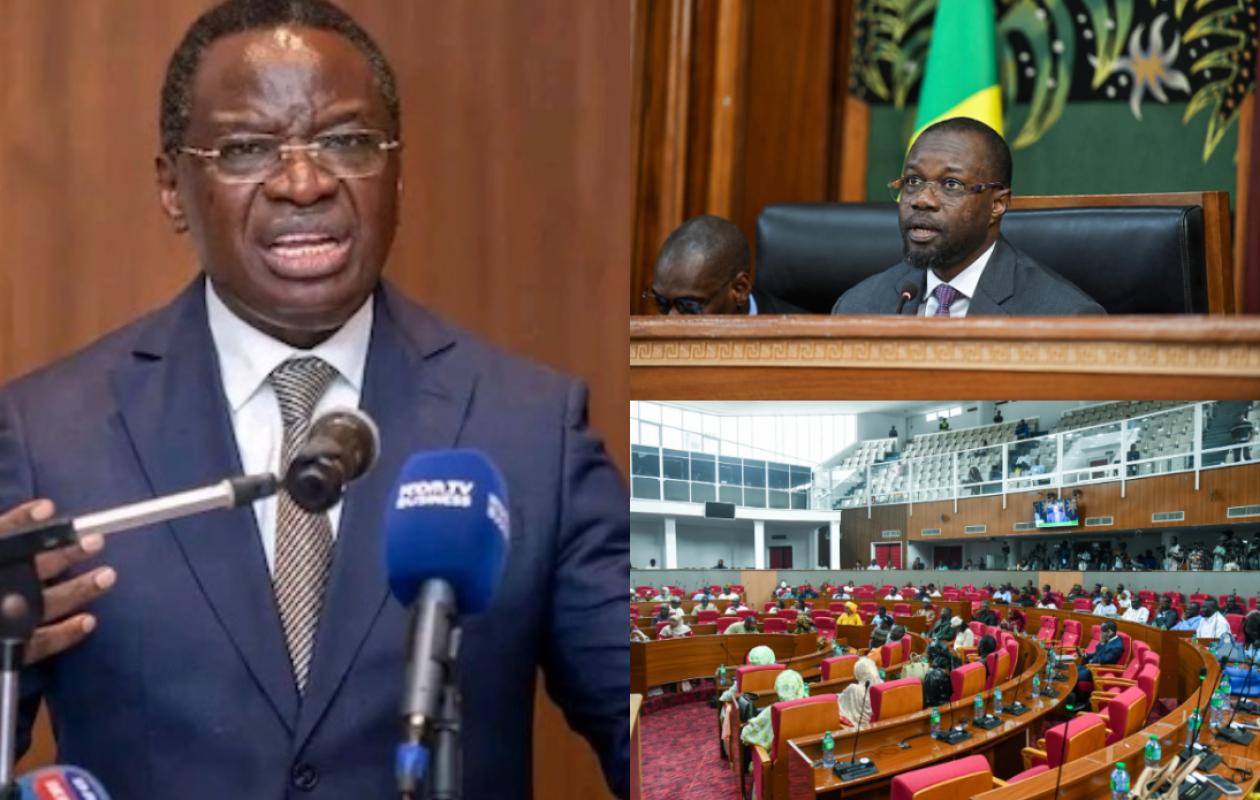
Senegalese Minister Serigne Guèye Diop Announces National Assembly Dissolution
Summary
- The Senegalese National Assembly is set to be dissolved on December 2nd, announced by Minister Serigne Guèye Diop.
- The dissolution comes amid controversy over parliamentarians rejecting the president's proposals for law.
- The move has significant implications for legislative processes and electoral timelines in Senegal, particularly ahead of the 2027 elections.
- The presidential camp is seen as attempting to consolidate power and push through its agenda with this move.
- Lawyers and compliance officers should closely monitor this development for potential impact on governance and democratic institutions.
Dissolution of National Assembly Announced
The institution cannot function with deputies from the majority rejecting the president's proposals for law.
The dissolution of the Senegalese National Assembly was announced by Minister of Industry and Commerce Serigne Guèye Diop on August 16th in Fatick. The announcement came during a political meeting organized by the Kiraay party at the Fatick Departmental Council. According to reports, the minister stated that the institution cannot function with deputies from the majority rejecting the president's proposals for law. He accused certain parliamentarians of trying to 'sabotage the work of the head of state' and assured that the presidential camp will not give up its orientations.
The dissolution has been considered inevitable by some, including the Secretary-General of the URD party, Diégane Séne, who called for building a broad coalition around Bassirou Diomaye Faye. This marks a shift beyond the internal parliamentary confrontation to a broader political issue.
Legal and Regulatory Context
The dissolution of the National Assembly is a significant move in Senegalese politics, with implications for legislative processes and electoral timelines. The announcement comes ahead of the 2027 elections, which will see local and legislative polls take place. In June 2026, lawyer Doudou Ndoye proposed submitting the dissolution to a referendum, highlighting the potential for controversy surrounding this move.
The dissolution is also seen as an attempt by the presidential camp to consolidate power and push through its agenda. The minister's accusations against certain parliamentarians have sparked debate about the role of the National Assembly in Senegalese politics.
Why It Matters
The dissolution of the National Assembly has significant implications for political stability and governance in Senegal. The move is seen as a test of the country's democratic institutions, with potential consequences for the 2027 elections. Lawyers and compliance officers should closely monitor this development, considering its impact on legislative processes and electoral timelines.
The situation also raises questions about the role of the National Assembly in checking presidential power and ensuring accountability in governance. As Senegal looks to the future, the dissolution of the National Assembly serves as a reminder of the importance of robust democratic institutions and the need for effective checks and balances.
Practical Implications
Lawyers and compliance officers should watch for the potential impact on legislative processes and electoral timelines in Senegal, as well as any implications for political stability and governance.
Source
Source: Original reporting via Seneweb
How does this affect you?
Get an AI analysis of this article grounded in your jurisdictions, practice areas, and any policy documents you've uploaded to Wansom.
Wansom is AI and can make mistakes.