
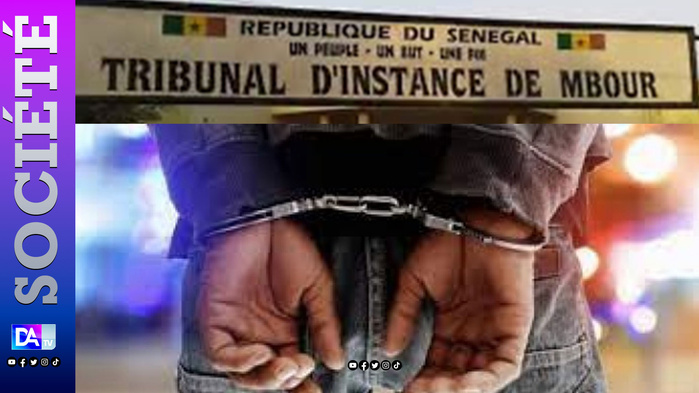
Senegal's High Court: USB Evidence Crucial in Attempted Blackmail Case Involving 300,000 FCFA
Summary
- A. Ly, an emigrant, allegedly worked with his niece and a prostitute to extort money from O. Fofana using a USB device.
- The case involves charges of association with malefactors, violation of domicile, theft with violence, attempted extortion, and distribution of sexual data.
- Fofana is also being prosecuted for unnatural acts, incitement to debauchery, and corruption of minors.
- The admissibility of digital evidence in Senegalese courts may set a precedent for future cases involving computer crimes.
What Happened
A USB key found on Paco contained recordings and videos of Fofana's private life, suggesting that data was recovered for sexual purposes and 300,000 FCFA demanded in exchange.
A complex case of attempted blackmail has come to light in Senegal's courts, involving a USB device and 300,000 FCFA. The case revolves around A. Ly, an emigrant who allegedly worked with his niece and a prostitute to extort money from O. Fofana. According to investigators, Ly immobilized the victim by attaching their hands, while M. Guèye, alias 'Paco', threatened him with a knife. A USB key found on Paco contained recordings and videos of Fofana's private life, suggesting that data was recovered for sexual purposes and 300,000 FCFA demanded in exchange.
Fofana maintains that the two men set a trap to extort money from him, while Ly and Guèye claim they were lured into a relationship with Fofana. Medical examinations revealed injuries on two of the suspects, who denied any physical contact with Fofana.
Legal Context
The case raises important questions about the use of digital evidence in Senegalese courts. The admissibility of the USB device's contents may set a precedent for future cases involving computer crimes. Additionally, the application of blackmail laws in West Africa is under scrutiny. In this context, it is essential to consider the implications of the court's ruling on the use of digital evidence and its potential impact on similar cases.
The suspects are facing charges of association with malefactors, violation of domicile, theft with violence, attempted extortion, and distribution of sexual data. Fofana is also being prosecuted for unnatural acts, incitement to debauchery, and corruption of minors. His previous conviction in 2016 for similar offenses adds another layer of complexity to the case.
Why It Matters
This case has significant implications for lawyers and legal professionals in Senegal and beyond. The use of digital evidence and its admissibility in court may set a crucial precedent for future cases involving computer crimes. As such, it is essential to closely follow the developments in this case and understand the potential consequences for similar cases.
The case also highlights the need for a comprehensive approach to addressing blackmail and related offenses in West Africa. By examining the legal context and implications of this case, we can gain valuable insights into the challenges faced by courts in dealing with complex digital evidence and the importance of establishing clear guidelines for its use.
Practical Implications
Lawyers should watch for the precedent set by this case, which involves the use of a USB device to extort money from a victim. The court's ruling on the admissibility of digital evidence may have implications for future cases involving computer crimes.
Source
How does this affect you?
Get an AI analysis of this article grounded in your jurisdictions, practice areas, and any policy documents you've uploaded to Wansom.
Wansom is AI and can make mistakes.