
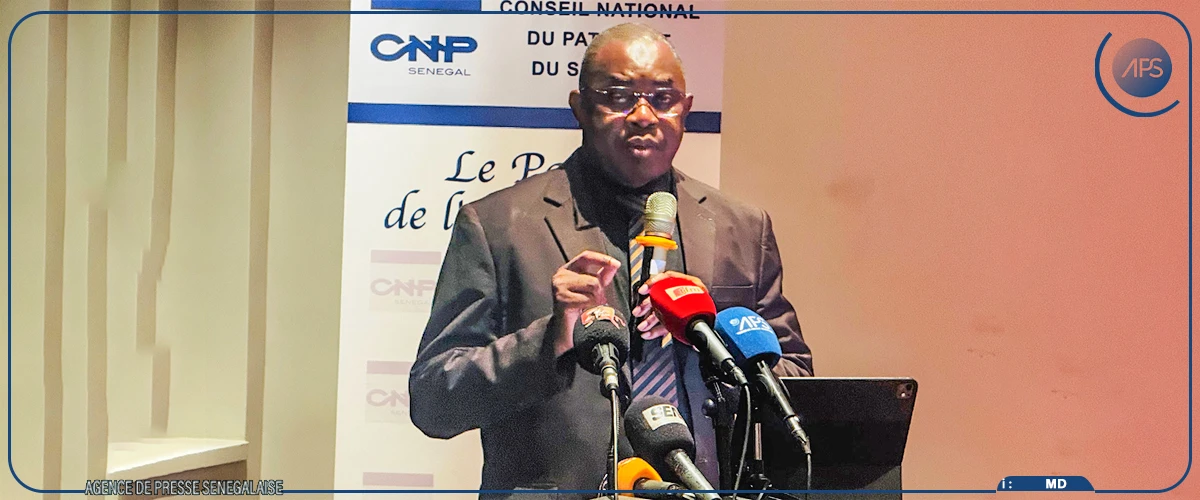
Mamadou Lamine Dianté: 19 Recommandations for Dialogue Social in Sénégal
Summary
- Mamadou Lamine Dianté, head of the Haut Conseil du Dialogue Social (HCDS), has presented nineteen recommendations to improve social dialogue in Senegal.
- These proposals, unveiled at the 41st HCDS Plenary Assembly, aim to address challenges and anticipate changes in the world of work, emphasizing regular consultation as a governance reflex.
- The recommendations cover social stability, balancing interests, tripartite monitoring of the social pact, and strengthening consultation frameworks and actor capacities.
- The initiative is particularly urgent due to recent tensions, including a 72-hour strike threat from the FSDT over proposed reforms to the Labor Code and Social Security Code.
- President Bassirou Diomaye Faye responded to the union unrest by instructing the Prime Minister to convene the monitoring committee for the Pacte national de stabilité sociale, while Dianté also highlighted the need for modernizing regulation and developing alternative dispute resolution methods.
New Framework for Social Dialogue in Senegal
The urgency of these mechanisms is underscored by recent tensions surrounding proposed labor reforms, highlighting the critical need for robust social dialogue.
Mamadou Lamine Dianté, who previously presided over the Haut Conseil du Dialogue Social (HCDS) and is now the Minister of Public Service, Labor and Public Service Reform, has unveiled a comprehensive set of nineteen recommendations designed to enhance social dialogue in Senegal. These proposals aim to address existing challenges within the framework of social consultation while proactively preparing for the evolving dynamics of the global workforce. A central tenet of Dianté's vision is to embed regular consultation as an inherent reflex within governmental governance structures, fostering a more stable and responsive labor environment.
The recommendations emerged from the 41st Plenary Assembly of HCDS actors, convened in Saly-Portudal. Dianté formally presented these strategic directions during a symposium organized by the Conseil national du patronat (CNP). The scope of these recommendations is broad, encompassing critical areas such as ensuring social stability, meticulously balancing the diverse interests of stakeholders, and establishing a tripartite monitoring system for the implementation of the national social pact. Furthermore, the proposals emphasize the reinforcement of permanent consultation frameworks and the crucial development of capacity among all involved parties.
The initiative led by Mamadou Lamine Dianté HCDS is particularly pertinent given the current climate surrounding labor relations in Senegal. The urgency of these mechanisms is underscored by recent tensions surrounding proposed labor reforms, highlighting the critical need for robust social dialogue. These recommendations collectively represent a significant effort to solidify the foundations of social peace and cooperation across the nation's economic sectors.
Addressing Labor Unrest and Modernizing Regulations
The imperative for these new recommendations is acutely felt amidst recent industrial relations challenges, particularly concerning planned changes to labor legislation. On July 16, the Front syndical pour la défense du travail (FSDT) issued a stark warning, threatening a 72-hour general strike if the executive branch proceeded with its proposed reforms to both the Labor Code and the Social Security Code. This potential widespread industrial action underscored the deep-seated concerns among unionized workers regarding the direction of labor policy.
In direct response to this palpable union discontent, President Bassirou Diomaye Faye promptly instructed the then-Prime Minister Ahmadou Al Aminou Lo to convene, without delay, the monitoring committee of the Pacte national de stabilité sociale. This presidential directive highlights the government's recognition of the need for immediate engagement and dialogue to avert widespread disruption. Within this context, Mamadou Lamine Dianté also specifically addressed the necessity of modernizing existing regulatory mechanisms and fostering the development of alternative methods for the resolution of labor disputes, signaling a shift towards more flexible and efficient conflict management.
Dianté further elaborated on the profound impact of ongoing economic, technological, and organizational transformations. He noted that these changes are significantly influencing various aspects of the world of work, including employment forms, required qualifications, overall productivity, working conditions, social protection provisions, and the fundamental organization of labor. These evolving factors necessitate a proactive and adaptable approach to social dialogue and regulatory frameworks.
A Vision for Stable Economic Engagement
At the core of Mamadou Lamine Dianté dialogue social recommandations Sénégal is a clear governmental vision aimed at cultivating an environment conducive to broad-based economic participation. Dianté articulated this vision as one where every individual and entity can confidently invest, undertake entrepreneurial ventures, engage in productive work, and negotiate terms, all while operating within a framework that respects the rights and responsibilities of all parties involved. This holistic approach seeks to ensure that economic growth is underpinned by social equity and stability.
By strengthening permanent consultation frameworks and building the capacity of all actors, the recommendations seek to institutionalize dialogue as a primary tool for navigating complex labor issues. The emphasis on alternative dispute resolution methods, alongside the modernization of regulatory mechanisms, suggests a strategic move towards preventing and resolving conflicts more effectively, thereby reducing the likelihood of disruptive industrial action. This comprehensive strategy is designed to foster a more predictable and harmonious labor landscape, essential for sustained national development and social cohesion in Senegal.
Practical Implications
Lawyers advising employers or unions in Senegal should closely monitor the implementation of these recommendations, as they signal potential shifts in labor relations, regulatory frameworks, and the emphasis on alternative dispute resolution, which could impact compliance strategies and collective bargaining approaches.
Source
Source: Original reporting via {source}
How does this affect you?
Get an AI analysis of this article grounded in your jurisdictions, practice areas, and any policy documents you've uploaded to Wansom.
Finish Reading the Full Story and the Expert Analysis.
Get the latest legal & regulatory intelligence in Senegal
Wansom is AI and can make mistakes.