
Senegal Cultural Industry: Sexual Harassment Study Finds 75% Harassed
Summary
- A study on Senegal's cultural industry revealed that 75% of young women reported experiencing sexual harassment under a broad definition, while 26% reported it under a classic definition.
- The "Behind the Scenes Sénégal" project, conducted by Lrem at Ucad, utilized a participatory "photovoice" method to gather qualitative and quantitative data.
- Beyond harassment, the research highlighted systemic issues including unequal access to opportunities, resources, and recognition for women in the arts.
- The study also identified limitations within the existing legal framework, contributing to precarious work conditions and increased vulnerability for women in the creative sector.
Prevalence of Harassment in Senegal's Cultural Sector
The findings underscore a significant prevalence of sexual harassment, with 75% of young women in the sector reporting such experiences when broadly defined, dropping to approximately 26% under a more conventional interpretation.
A recent study has cast a stark light on the pervasive issue of sexual harassment within Senegal's cultural and creative industries, revealing that a significant majority of young women in the sector have experienced such incidents. According to findings presented by Ousmane Faye, a lead researcher from the Laboratoire de recherche sur les mutations économiques et sociales (Lrem), 75% of young women actively involved in these industries reported experiencing sexual harassment when defined broadly by the survey's criteria. This figure, while substantial, adjusts to approximately 26% when a more traditional definition of sexual harassment is applied.
These findings underscore a significant prevalence of sexual harassment, with 75% of young women in the sector reporting such experiences when broadly defined, dropping to approximately 26% under a more conventional interpretation. The research highlights that these experiences are not isolated incidents but are deeply embedded within a sector characterized by pronounced power imbalances and a historically male-dominated structure. This environment often leaves young women in vulnerable positions, making them disproportionately susceptible to various forms of workplace harassment in the Senegal creative sector.
Study Methodology and Institutional Backing
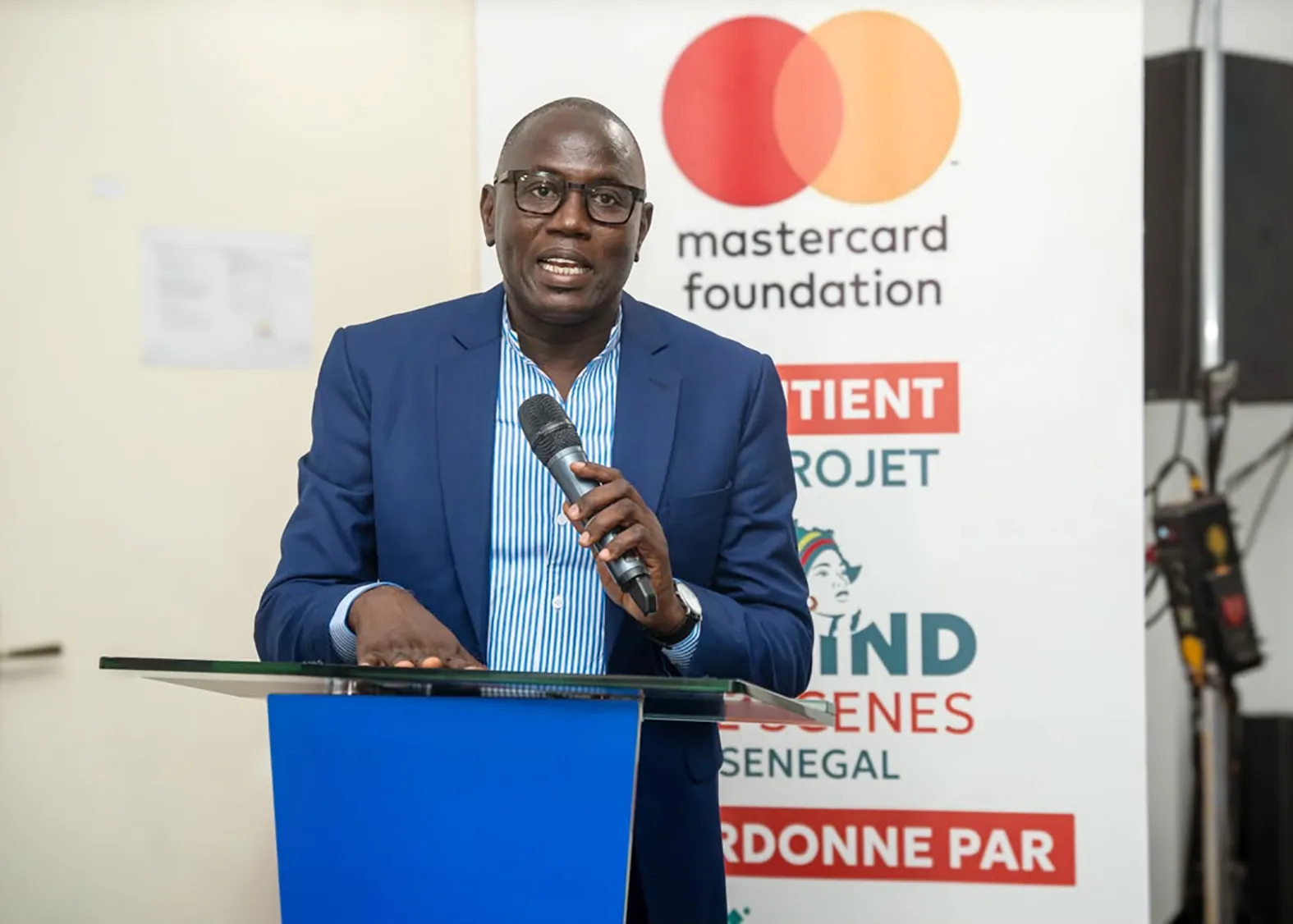
The comprehensive investigation, known as the "Behind the Scenes Sénégal" project, was formally unveiled at the Musée Théodore Monod d’Art africain of the Ifan-Ucad. This collaborative effort was spearheaded by the Lrem of the Université Cheikh Anta Diop de Dakar (Ucad), working in conjunction with the Institut supérieur des arts et de la culture. The study employed a mixed-methods approach, integrating both qualitative and quantitative data collection techniques.
A distinctive feature of the research methodology was the use of "photovoice," a participatory technique that encourages individuals to share their experiences and perspectives through visual storytelling. The research team comprised thirteen individuals under the age of 35, with ten of them being women, ensuring diverse perspectives were brought to the forefront. Amy Kébé Mané, representing the Ucad rector, emphasized the institutional significance of this initiative, noting the crucial role played by the university's Direction de l’inclusion, du bien-être et du développement humain in supporting such critical inquiries into `harcèlement sexuel industries culturelles Sénégal`.
Broader Challenges for Women in the Arts
Beyond the direct issue of sexual harassment, the `Senegal cultural industry sexual harassment study` also brought to light a range of systemic difficulties faced by young women in the cultural and creative sectors. These challenges include unequal access to professional opportunities, limitations in securing necessary resources and funding, and barriers to receiving adequate training and recognition for their work. Despite an increasing presence of women in artistic professions, this growth has not translated into equitable access to positions of responsibility or decision-making power.
This marginalized status, exacerbated by a sector where figures like Alioune Badara Bèye and Marouba Fall have historically dominated Senegalese theater, contributes significantly to precarious working conditions. Such instability, coupled with the inherent power dynamics, further exposes young women to heightened risks of `workplace harassment Senegal creative sector` and other forms of exploitation. The findings suggest that the struggle for recognition and influence in creative spaces remains a considerable hurdle for women.
Implications for the Legal Framework
A critical aspect highlighted by the `Lrem Ucad sexual harassment findings` is the inadequacy of the existing legal framework in addressing the complexities of sexual harassment and gender discrimination within Senegal's cultural industries. The study identified significant limitations in current `Senegal labor law gender discrimination` provisions, which fail to provide sufficient protection or recourse for victims. This legal vacuum contributes to the vulnerability of young women and perpetuates the power imbalances observed in the sector.
The identified shortcomings in the legal and regulatory environment underscore an urgent need for reform and stronger enforcement mechanisms. While institutions like Ucad's Direction de l’inclusion, du bien-être et du développement humain are working towards fostering a more inclusive environment, the broader legal landscape requires substantial attention to ensure that cultural workers, particularly young women, are adequately protected from harassment and discrimination. The report implicitly calls for a re-evaluation of policies to better safeguard individuals in these creative fields.
Practical Implications
This study reveals a significant prevalence of sexual harassment within Senegal's cultural and creative industries, indicating a substantial compliance exposure for organizations operating in this sector. Lawyers should advise clients to urgently review and strengthen their internal policies, training, and reporting mechanisms to address and prevent harassment, particularly given the identified limitations of the existing legal framework.
Source
Source: Original reporting via dakar92
How does this affect you?
Get an AI analysis of this article grounded in your jurisdictions, practice areas, and any policy documents you've uploaded to Wansom.
Finish Reading the Full Story and the Expert Analysis.
Wansom is AI and can make mistakes.