
Sénégal Commission Enquête: 'Un Étudiant, Un Ordinateur' Program Irregularities
Summary
- A Senegalese parliamentary inquiry is examining the 48 billion CFA francs "Un étudiant, un ordinateur" program, launched in 2017.
- Officials testified to limited or late involvement, with the program reportedly not included in the public procurement plan.
- An ARCOP coordinator identified problematic acquisition procedures, including an inadequate call for expressions of interest for computer procurement.
- A significant debate surrounds the live broadcasting of the hearings, with differing interpretations of the National Assembly's internal rules.
- Concerns have been raised about procedural adherence, with one expert suggesting that established procedures were disregarded.
Parliamentary Inquiry into "Un étudiant, un ordinateur" Program
The controversy surrounding the live broadcast of these proceedings underscores a broader tension between parliamentary transparency and adherence to established internal regulations, with one expert suggesting that procedures appeared to have been disregarded.
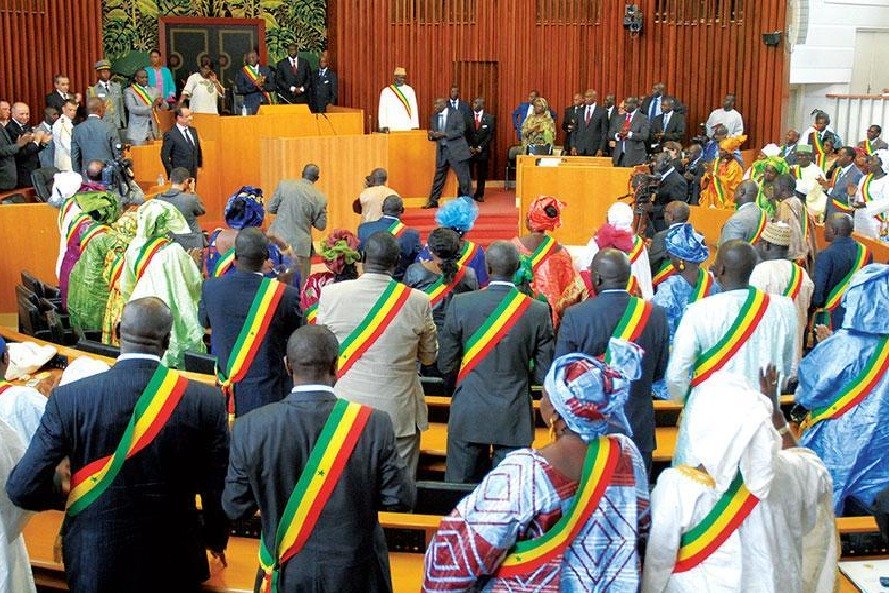
The Senegalese National Assembly has launched a parliamentary inquiry commission to scrutinize the "Un étudiant, un ordinateur" program, a significant initiative valued at 48 billion CFA francs. This program, which commenced in 2017, aimed to provide digital tools to students across Senegal. The commission's work has brought to light various concerns regarding its implementation and management, particularly following the testimonies of several key officials.
During the ongoing hearings, four current and former high-ranking officials from the Ministry of Higher Education, Research, and Innovation have provided their accounts. Mountaga Dia, for instance, stated that his involvement with the program only began in 2025, having learned about it during a budget programming meeting. Similarly, Saliou Abdoulaye Ngom, who assumed his position in September 2025, also indicated that he first encountered the program during a budgetary discussion.
Further testimony from Abdou Kadri Diatta revealed that the "Un étudiant, un ordinateur" initiative was not included in the public procurement plan, suggesting it fell outside the purview of his commission. These statements align with initial findings from the ARCOP (Autorité de Régulation de la Commande Publique) investigation. Seynabou Samb Tosco, who coordinates ARCOP's investigation cell for the 2025 contract, highlighted significant procedural issues with the acquisition process, asserting that the call for expressions of interest used was unsuitable for a computer procurement contract. Inspector Cheikh Diop also became involved with the case while investigating 250,000 FCFA allowances distributed to students.
Procurement Irregularities and Procedural Debates
The findings from the parliamentary inquiry into the "Un étudiant, un ordinateur" program in Senegal point to potential irregularities in public procurement. The ARCOP's assessment, as presented by Seynabou Samb Tosco, underscores a critical flaw in the acquisition process, specifically noting that the "avis à manifestation d’intérêt" employed was inappropriate for securing computer equipment. This procedural misstep is compounded by the revelation from Abdou Kadri Diatta that the program was not integrated into the standard public procurement plan, raising questions about its oversight from the outset.
Beyond the procurement issues, the commission's proceedings have ignited a contentious debate regarding the live retransmission of its hearings. This unprecedented public broadcast has drawn criticism concerning adherence to the National Assembly's internal regulations. Former Deputy Babacar Gaye argued that such investigative work should be conducted behind closed doors, asserting that live retransmission contravenes the Règlement intérieur de l’Assemblée nationale and risks exposing legally protected secrets.
Conversely, Senghane Senghor, president of the African Convergence for Democracy and Human Rights (Sen Caddhu), offered a nuanced perspective. He suggested that the internal rules adopted in 2025 might permit the retransmission of debates under specific conditions and with the bureau's approval. However, Senghor also expressed significant reservations about the overall procedure, stating that "everything seems to indicate that procedures have been trampled underfoot." Further details emerging from the inquiry include the Direction Centrale des Marchés Publics (DCMP) rejecting a direct agreement for computers for the UN-CHK in 2025, and a reported payment of 1.446 billion FCFA to Retail ATI.
Implications for Transparency and Accountability
The ongoing parliamentary inquiry into the "Un étudiant, un ordinateur" program carries significant implications for transparency and accountability within Senegal's public sector. The identified irregularities in public procurement, particularly the use of an inadequate acquisition procedure and the program's apparent exclusion from the standard procurement plan, highlight potential systemic weaknesses that demand rigorous attention. Such findings can erode public trust in government initiatives and the integrity of state expenditures, making the commission's work crucial for restoring confidence.
The spirited debate surrounding the live retransmission of the commission's hearings further underscores an evolving landscape for legislative oversight and public access to information. While some argue for strict adherence to traditional closed-door proceedings based on the Règlement intérieur de l’Assemblée nationale, others champion greater transparency through public broadcasts. This tension reflects a broader societal demand for openness in governance, which could shape future parliamentary investigations and the public's ability to monitor governmental actions.
Ultimately, the outcomes of this inquiry, including the scrutiny of the 48 billion CFA francs program and the discussions around parliamentary transparency, will likely set precedents for how future large-scale government projects are managed and how legislative bodies conduct their oversight functions. It emphasizes the critical importance for all stakeholders, including legal advisors on public procurement in Senegal, to ensure strict adherence to established procedures and to navigate the evolving standards of transparency in public administration.
Practical Implications
Lawyers advising on public procurement in Senegal should note the heightened scrutiny and potential irregularities identified in the 'Un étudiant, un ordinateur' program, emphasizing the need for strict adherence to procurement procedures. Additionally, the debate over live parliamentary broadcasts highlights evolving transparency standards and potential procedural challenges in legislative oversight, which could impact future investigations and public access to information.
Source
How does this affect you?
Get an AI analysis of this article grounded in your jurisdictions, practice areas, and any policy documents you've uploaded to Wansom.
Finish Reading the Full Story and the Expert Analysis.
Get the latest legal & regulatory intelligence in Senegal
Wansom is AI and can make mistakes.