
Sénégal: Executive May Invoke Article 86 for PLFR 2026 After Rejection
Summary
- The 2026 Rectifying Finance Bill (PLFR 2026) is currently facing significant parliamentary opposition in Senegal.
- Deputies are holding a plenary session this Tuesday morning to examine the contentious bill.
- The PLFR 2026 has already been rejected twice by a parliamentary commission.
- The Executive branch possesses a constitutional power, Article 86, to potentially pass the bill if it faces further rejection.
- The potential use of Article 86 could significantly impact Senegal's legislative process and regulatory environment.
What's Unfolding in Parliament
Lawyers and compliance officers operating within Senegal should closely monitor the unfolding situation, as the application of Article 86 could fundamentally alter the established legislative process for financial bills.
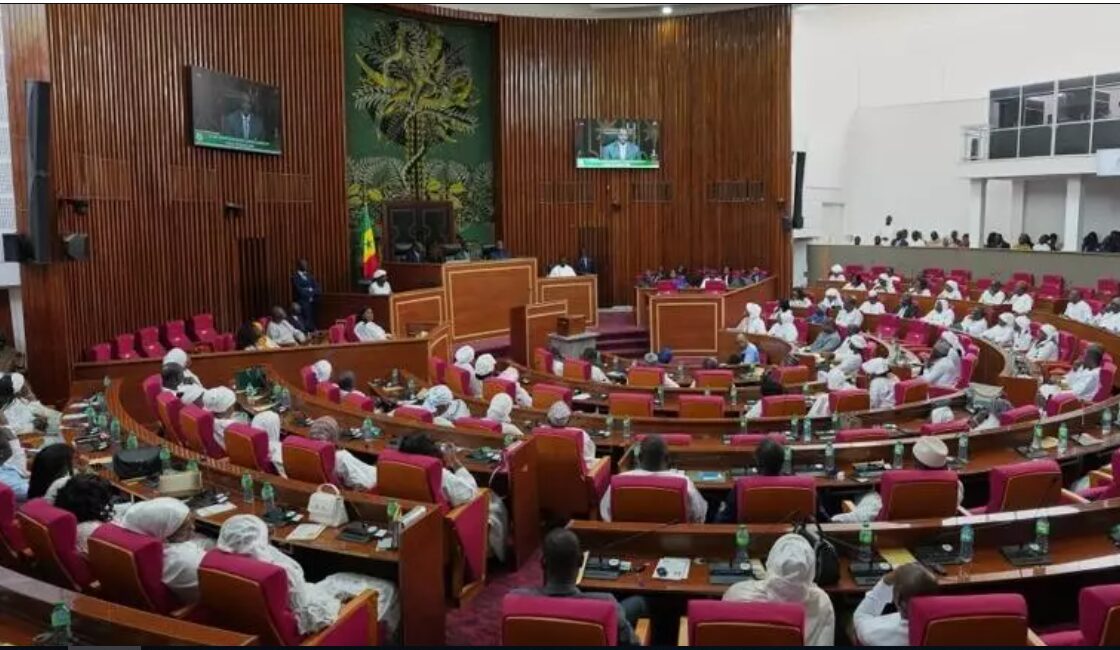
The legislative process surrounding the 2026 Rectifying Finance Bill (PLFR 2026) has entered a critical new phase, marked by significant parliamentary contention. Lawmakers are currently convened in a plenary session at the National Assembly this Tuesday morning, tasked with the deliberation and potential approval of this crucial financial legislation. This session follows a period of intense debate and disagreement within the legislative body.
This particular bill has already encountered substantial resistance, having been rejected on two separate occasions by the relevant parliamentary commission. The ongoing plenary session therefore represents a pivotal moment, as the Executive branch anticipates the possibility of yet another rejection of the text by the full assembly. This backdrop of repeated legislative setbacks sets the stage for a potential constitutional maneuver by the government to advance its agenda.
The Executive's Constitutional Recourse
In light of the repeated setbacks for the PLFR 2026, the Executive branch in Senegal possesses a specific constitutional mechanism to potentially overcome parliamentary deadlock. This tool, often referred to in the context of the "Procédure législative Sénégal Article 86," grants the government certain powers regarding the adoption of finance bills. Should the deputies in the National Assembly reject the bill again, the government could invoke this provision to ensure the bill's progression.
The application of Article 86 of the Constitution allows the "Pouvoir exécutif Sénégal loi finances" to push through legislation under specific circumstances, effectively bypassing further conventional parliamentary scrutiny or votes. This constitutional provision is designed to ensure the continuity of state functions, particularly concerning budgetary matters, even when faced with legislative opposition. Its potential invocation underscores the high stakes involved in the current debate over the 2026 Rectifying Finance Bill and highlights a significant aspect of "Droit constitutionnel Sénégal."
Implications for Governance and Stability
The potential use of Sénégal Article 86 PLFR 2026 carries significant implications for the country's legislative landscape and its relationship with international partners. Lawyers and compliance officers operating within Senegal should closely monitor the unfolding situation, as the application of Article 86 could fundamentally alter the established legislative process for financial bills. Such a development would necessitate a re-evaluation of regulatory stability and the legislative risk profile for clients conducting business in the jurisdiction, requiring a proactive approach to understanding potential shifts in governance.
The invocation of such a powerful executive prerogative, while constitutionally permissible, could be perceived as a move that bypasses the full deliberative role of the "Assemblée nationale Sénégal PLFR." This scenario highlights a tension within the nation's constitutional framework regarding the balance of power between the executive and legislative branches, particularly on critical financial matters. The outcome of this legislative battle will undoubtedly shape future governance practices and potentially influence investor confidence, making it a key area of focus for legal professionals.
Practical Implications
Lawyers and compliance officers in Senegal should closely monitor the potential application of Article 86 in the PLFR 2026 debate, as its use could significantly alter the legislative process for financial bills, impacting regulatory stability and requiring a re-evaluation of legislative risk for clients operating in the jurisdiction.
Source
How does this affect you?
Get an AI analysis of this article grounded in your jurisdictions, practice areas, and any policy documents you've uploaded to Wansom.
Wansom is AI and can make mistakes.