
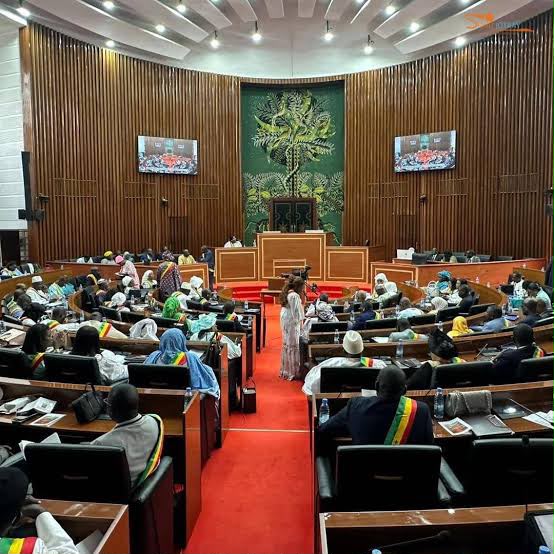
Matar Diène ICDS: Appel Députés Sénégal à Prioriser Intérêt National
Summary
- Matar Diène, president of the ICDS, urged Senegalese deputies to prioritize the national interest over party directives.
- This appeal was made in a communiqué published on Wednesday, October 28, 2026.
- Diène specifically referenced Article 64 of the Senegalese Constitution as the basis for his call.
- Article 64 establishes the personal nature of a deputy's vote, implying independence from party instructions.
- The Initiative Citoyenne pour le Développement du Sénégal advocates for legislative decisions grounded in the collective good of the nation.
Call for Parliamentary Independence
The constitutional text, specifically Article 64 Constitution sénégalaise, is designed to safeguard the Indépendance vote député, ensuring that legislative decisions truly reflect a considered assessment of national needs rather than strict adherence to party lines.
Matar Diène, who leads the Initiative Citoyenne pour le Développement du Sénégal (ICDS), recently issued a significant appeal to members of the Senegalese parliament. Through a communiqué released on Wednesday, October 28, 2026, Mr. Diène urged these elected officials to place the nation's welfare above any instructions or directives originating from their respective political party leaders. This direct call from the ICDS president, Matar Diène, highlights a critical aspect of legislative conduct in Senegal, specifically targeting the `Matar Diène ICDS appel députés Sénégal`.
The communication specifically targeted the deputies, emphasizing their fundamental responsibility to the broader populace rather than to partisan allegiances. This public statement by the ICDS president underscores an ongoing debate regarding the autonomy of elected representatives within the Senegalese political landscape. The appeal serves as a reminder of the expectations placed upon those holding legislative power, advocating for a shift from party loyalty to national commitment.
Constitutional Mandate and Duty
Central to Matar Diène's appeal is a direct reference to Article 64 of the Senegalese Constitution. This pivotal constitutional provision explicitly enshrines the personal nature of a deputy's vote, a principle that dictates that each parliamentarian must cast their vote based on their own conviction and judgment, independent of external pressure. The ICDS president's statement effectively recalls this foundational legal framework, asserting that the `Devoir parlementaire Sénégal` is intrinsically linked to this individual voting right.
The constitutional text, specifically `Article 64 Constitution sénégalaise`, is designed to safeguard the `Indépendance vote député`, ensuring that legislative decisions truly reflect a considered assessment of national needs rather than strict adherence to party lines. This legal underpinning is crucial for maintaining the integrity of the legislative process and preventing undue influence from political factions. The emphasis on the personal nature of the vote reinforces the idea that deputies are representatives of the entire nation, not just their party.
Upholding National Interest
The core message from the `Initiative Citoyenne pour le Développement du Sénégal`, articulated by Matar Diène, revolves around the imperative for deputies to prioritize the `Intérêt national députés Sénégal`. This concept is not merely a moral plea but is presented as a constitutional obligation, stemming directly from the personal voting right guaranteed by Article 64. When deputies are called upon to make legislative choices, their primary allegiance, according to the ICDS, should be to the collective good of the Senegalese people.
This intervention by the ICDS contributes to a vital public discourse concerning the role and responsibilities of elected officials in Senegal. It highlights the tension that can arise between party discipline and the constitutional duty to serve the national interest. The call serves as a significant point of reflection for all stakeholders involved in Senegalese governance, reinforcing the idea that true parliamentary service transcends partisan boundaries and is ultimately dedicated to the progress and well-being of the nation.
Practical Implications
This development underscores the ongoing public discourse and constitutional interpretation surrounding the independence and duty of Senegalese deputies under Article 64, which is crucial for lawyers advising on legislative ethics, constitutional law, or engaging in advocacy related to parliamentary conduct.
Source
How does this affect you?
Get an AI analysis of this article grounded in your jurisdictions, practice areas, and any policy documents you've uploaded to Wansom.
Finish Reading the Full Story and the Expert Analysis.
Wansom is AI and can make mistakes.