
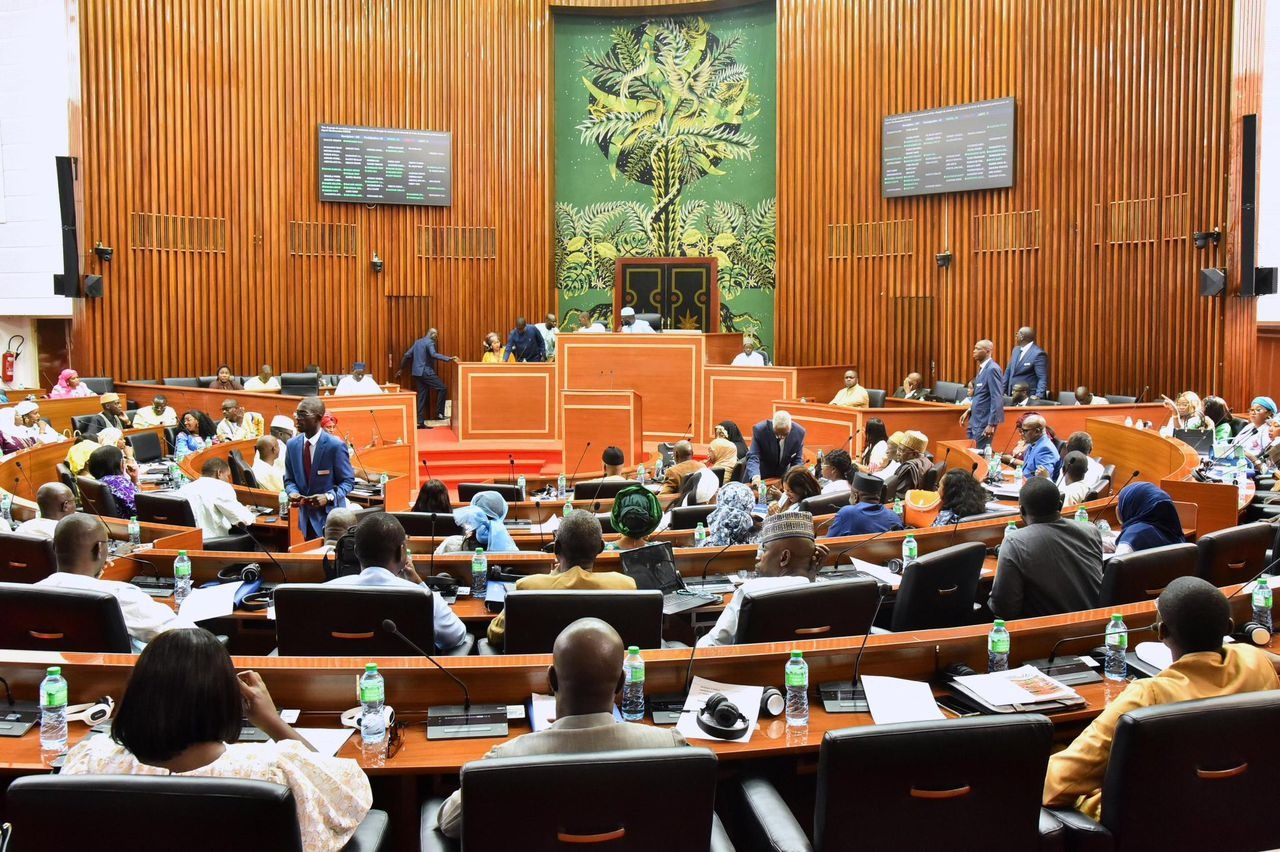
Senegal National Assembly Convenes After 2 Rejections of LFR 2026
In Senegal, on Tuesday, November 3, the National Assembly was scheduled to convene in a plenary session to reconsider the 2026 Rectified Finance Bill (LFR 2026) after its repeated rejection by the Finance and Budget Control Committee.
This situation represents a significant legislative deadlock concerning a critical finance bill, which has direct implications for the government's fiscal policy, budget execution, and international financial standing. The repeated rejection by a parliamentary committee underscores the robust checks and balances within the legislative process and highlights the potential for political divisions to impede economic governance. The fact that this impasse occurs while Senegal is negotiating a financing program with the International Monetary Fund (IMF), and the concerns raised by former deputies about the country's financial credibility, emphasize the broader economic and reputational risks associated with such legislative delays.
The legal context for this development is the legislative process for finance bills in Senegal, which involves initial review by specialized committees, such as the Finance and Budget Control Committee, followed by plenary sessions in the National Assembly. The role of the Minister of Economy and Finance, Cheikh Diba, in proposing and defending such bills is central to this process. While specific statutes beyond the bill number (No. 40/2026) are not detailed, the entire procedure is governed by the National Assembly's internal regulations and potentially constitutional provisions related to budget approval. Key parties include the Senegalese National Assembly, its Finance and Budget Control Committee, the Senegalese government (represented by Minister Cheikh Diba), the International Monetary Fund, and former deputies Cheikhou Oumar Sy and Théodore Chérif Monteil.
Legal professionals should closely monitor the resolution of this legislative impasse, as the eventual approval or rejection of the LFR 2026 will significantly impact Senegal's fiscal landscape, government spending, and overall economic stability. The implications for international financial relations, particularly with the IMF, are also critical for businesses and investors. Understanding the dynamics between the executive and legislative branches in budget matters is essential for strategic planning and risk assessment. The outcome of the plenary session is not yet reported and will be a key indicator of the country's political and economic direction.
How does this affect you?
Get an AI analysis of this article grounded in your jurisdictions, practice areas, and any policy documents you've uploaded to Wansom.
Wansom is AI and can make mistakes.