
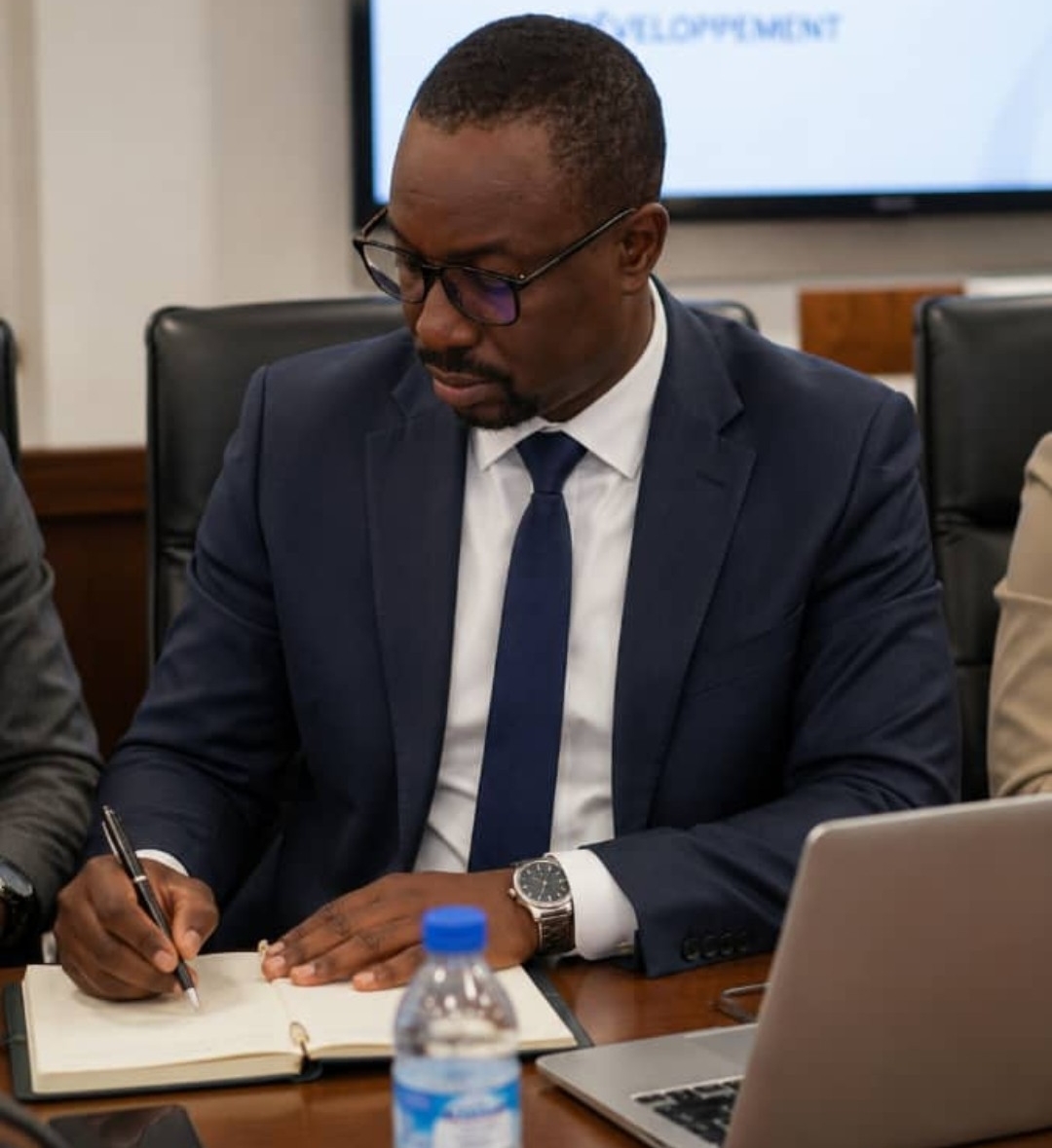
Matar Diène: Urges Articles 68, 86 of Constitution for Budget
Summary
- The Senegalese National Assembly rejected the 2026 supplementary finance law (LFR 2026) without examining its merits.
- Matar Diène, president of ICDS, urged President Bassirou Diomaye Diakhar Faye to ensure institutional continuity.
- Diène specifically invoked Articles 68 and 86 of the Constitution, which cover finance law adoption deadlines and government responsibility for finance bills.
- The government stated the budget was crucial for settling debts to private companies and electricity suppliers, and for maintaining fuel for power plants.
- Diène emphasized that political differences should not hinder essential budgetary measures or economic recovery efforts.
Legislative Impasse Over 2026 Supplementary Budget
Matar Diène's perspective is that the Republic itself must demonstrate resilience against political divergences, asserting that the higher interest of Senegal should always prevail.
The Senegalese National Assembly recently rejected the 2026 supplementary finance law (LFR 2026), creating a significant legislative hurdle. This decision came after deputies adopted a preliminary question, effectively preventing any substantive examination of the bill's contents. The government had emphasized the critical need for this legislation, stating it was essential for settling outstanding debts owed to various private companies and electricity providers. Furthermore, the administration highlighted the budget's role in ensuring the continued supply of fuel necessary for the nation's power plants.
Following this rejection, Matar Diène, who presides over the Mouvement Initiative citoyenne pour le développement du Sénégal (ICDS), issued a public communiqué from Dakar. Diène expressed deep concern regarding the implications of this legislative deadlock. He underscored the importance of maintaining the operational continuity of state institutions, urging the head of state, Bassirou Diomaye Diakhar Faye, to prioritize this objective.
Invoking Constitutional Safeguards
In his statement, Matar Diène specifically called for the activation of constitutional mechanisms to safeguard the regular functioning of the state. He pointed to **Articles 68 and 86 of the Senegalese Constitution** as crucial provisions in such circumstances. Article 68 outlines the established deadlines for the adoption of finance laws, providing a framework for legislative timelines. Concurrently, Article 86 addresses the government's capacity to engage its responsibility concerning a finance bill, a mechanism that could potentially resolve legislative impasses.
Diène articulated his belief that political disagreements, while a natural part of the democratic process, should not be permitted to obstruct essential budgetary measures designed to benefit the populace or impede ongoing efforts aimed at economic recovery. He acknowledged that legitimate concerns regarding the sincerity of the budget warrant precise and transparent responses, but maintained that these issues should have been thoroughly addressed within the context of an in-depth parliamentary debate, rather than through an outright rejection without examination of the merits.
Ensuring State Continuity Amidst Political Division
The ICDS president's intervention highlights a broader concern for the stability of governance in Senegal. His appeal to Bassirou Diomaye Diakhar Faye to utilize the constitutional framework underscores the necessity of finding a resolution that transcends partisan divides. The rejection of the LFR 2026, particularly given the government's stated reasons for its urgency, poses a challenge to the state's ability to meet its financial obligations and maintain critical services.
Matar Diène's perspective is that the Republic itself must demonstrate resilience against political divergences, asserting that the higher interest of Senegal should always prevail. This sentiment reinforces the idea that while scrutiny of financial legislation is vital, the ultimate goal must be to ensure the uninterrupted operation of public services and the nation's economic well-being, even when faced with significant political opposition.
Practical Implications
Lawyers should advise clients on the constitutional implications of the rejected 2026 supplementary finance law, monitoring how Articles 68 and 86 of the Senegalese Constitution are invoked to resolve legislative impasses and ensure state financial continuity.
Source
How does this affect you?
Get an AI analysis of this article grounded in your jurisdictions, practice areas, and any policy documents you've uploaded to Wansom.
Wansom is AI and can make mistakes.