
Senegal Lawmakers Adopt Loi 39/2026 Santé Carcérale Sénégal
Summary
- Senegalese deputies adopted Law n°39/2026 on health in correctional facilities on a Wednesday, September 30, in Dakar.
- The law was passed by a majority vote.
- Its purpose is to correct the absence of a coherent normative framework for prison health.
- This legislative gap previously led to unequal treatment between free citizens and incarcerated individuals regarding healthcare.
What Happened
This legislation provides a concrete legal basis for advocating for improved conditions and challenging systemic failures in healthcare provision.
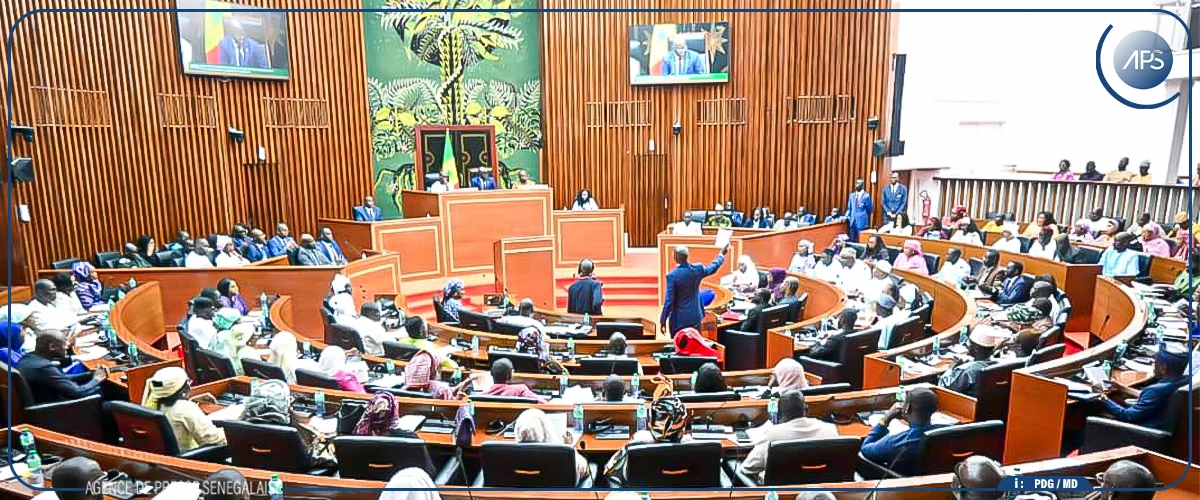
Senegalese lawmakers recently took a significant step towards reforming healthcare provisions for incarcerated individuals. On a Wednesday, September 30, deputies in Dakar formally adopted, by a majority vote, the proposed legislation known as Law n°39/2026 concerning health in correctional facilities. This pivotal decision marks a new chapter for the Loi 39/2026 santé carcérale Sénégal, establishing a dedicated legal instrument where one was previously lacking. The legislative body's approval of this measure underscores a commitment to addressing long-standing disparities within the penal system.
The adoption of this projet de loi 39/2026 was a direct response to the recognized need for a structured approach to inmate healthcare, aiming to rectify systemic issues that have historically impacted the well-being of those deprived of liberty. This move by the deputies signifies a formal acknowledgement of the gaps in existing provisions and an intent to create a more robust and equitable system for all individuals within the carceral environment.
Legal Context
The primary motivation behind the new loi santé prison Sénégal is to rectify a critical deficiency: the absence of a coherent normative framework governing health within the nation's correctional system. Prior to this adoption, the lack of such a cadre normatif santé carcérale created a significant void, leading to inconsistent and often inadequate healthcare provisions for prisoners. This legislative gap resulted in a stark inequality of treatment, drawing a clear distinction between the healthcare access afforded to free citizens and that available to individuals held in detention.
The newly adopted Law n°39/2026 is specifically designed to bridge this divide, ensuring that a standardized and legally enforceable set of guidelines dictates the provision of medical services within prisons. By establishing a comprehensive droit carcéral Sénégal in the realm of health, the law seeks to eliminate the arbitrary nature of healthcare delivery that previously characterized the system. This formalization of health rights within detention aims to promote a more equitable and humane approach to managing the health needs of the incarcerated population, aligning Senegal's practices more closely with international standards for prisoner welfare.
Why It Matters
The implementation of Law n°39/2026 holds profound implications for droits des détenus Sénégal and the overall conditions within the country's correctional facilities. This legislation is poised to significantly enhance the santé des prisonniers Sénégal by mandating a clear and consistent standard of care, moving beyond the previous ad-hoc arrangements. For legal professionals, particularly those specializing in criminal law or human rights, this new law necessitates a thorough understanding of its provisions. Lawyers will now be better equipped to advise clients on their healthcare entitlements while incarcerated and to challenge instances of non-compliance by correctional authorities.
The establishment of this clearer legal standard for healthcare in detention could fundamentally alter defense strategies, allowing for arguments based on the explicit rights to medical care. This legislation provides a concrete legal basis for advocating for improved conditions and challenging systemic failures in healthcare provision. Ultimately, this law represents a crucial step towards upholding the fundamental human rights of all individuals, regardless of their legal status, by ensuring their health needs are met within the carceral environment and fostering greater accountability within the prison system.
Practical Implications
Lawyers practicing criminal law or human rights in Senegal must familiarize themselves with the new provisions of Law No. 39/2026 to advise clients on their healthcare rights while incarcerated and to challenge any non-compliance by correctional facilities. This legislation establishes a clearer legal standard for healthcare in detention, potentially impacting defense strategies and conditions of detention.
Source
Source: Original reporting via APS
How does this affect you?
Get an AI analysis of this article grounded in your jurisdictions, practice areas, and any policy documents you've uploaded to Wansom.
Finish Reading the Full Story and the Expert Analysis.
Get the latest legal & regulatory intelligence in Senegal
Wansom is AI and can make mistakes.