
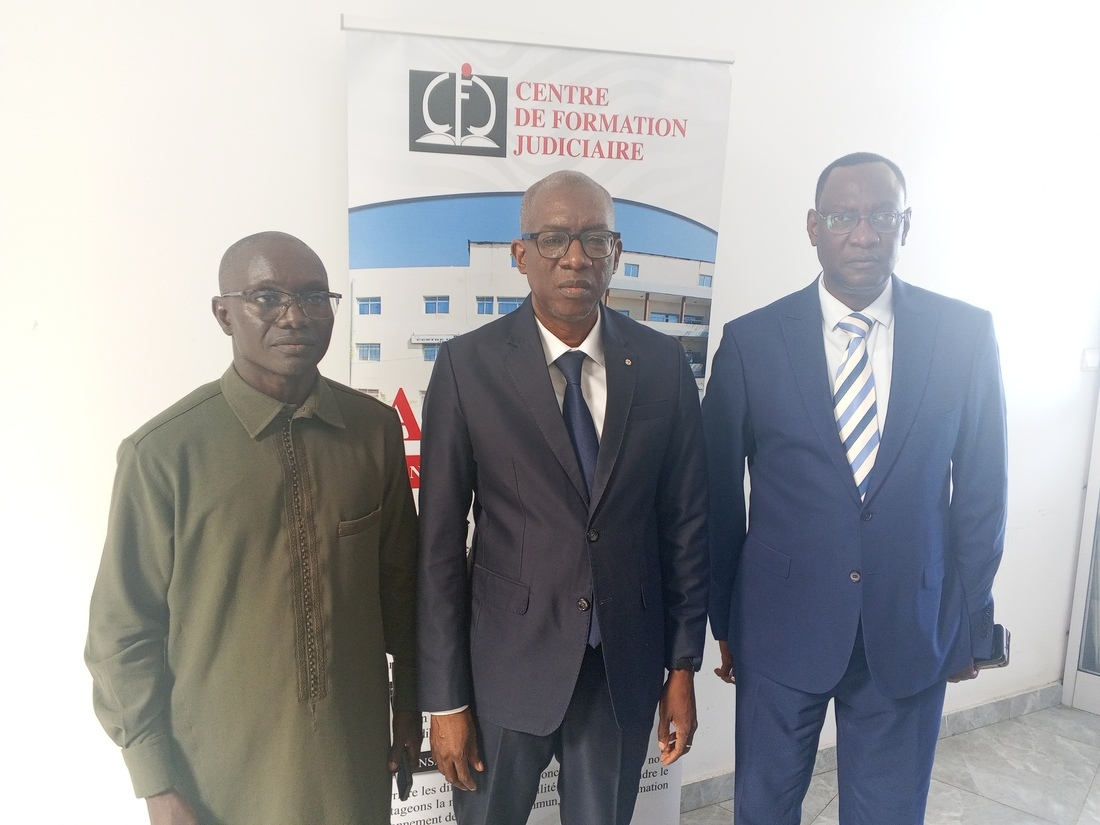
Senegal: Inspector General Warns of Judicial Archives Shortage
Summary
- Senegal's tribunals produce an average of 143,000 judicial decisions annually.
- The Senegalese justice system employs only 16 archivists to manage records for more than sixty jurisdictions.
- Inspector General Cheikh Tidiane Lam warned that citizens face significant problems if judicial archives, crucial for civil status documents, are not preserved.
- The Inspector General advocates for continued dematerialization of procedures but recommends retaining paper support during the transition to prevent IT failure issues.
- The Ministry of Justice plans to convert relevant recommendations from strengthened controls into instructions and monitor their application to improve judicial efficiency.
Critical Shortages in Senegal's Judicial Archives
Without proper preservation, citizens are left to contend with numerous difficulties, as warned by the Inspector General.
Senegal's justice system faces a significant challenge in managing its vast output of judicial decisions, primarily due to a severe shortage of archival personnel. Annually, tribunals across the country generate an average of 143,000 decisions, a substantial volume that underscores the system's activity. However, this high production rate is juxtaposed against a critically understaffed archival department.
During a recent seminar focused on judicial oversight, Cheikh Tidiane Lam, the Inspector General of Justice Administration, highlighted this pressing issue. He revealed that the entire Senegalese justice system employs only 16 archivists to manage records for more than sixty jurisdictions. This stark imbalance points to a profound Senegal judicial archives shortage, raising concerns about the long-term preservation and accessibility of vital legal documents.
The figures concerning both the annual decision volume and the number of judicial archivists were initially reported by Apanews, bringing to light a systemic vulnerability within the nation's legal infrastructure. This scarcity of dedicated staff directly impacts the efficiency and reliability of record-keeping, creating potential bottlenecks for future legal processes and citizen services.
Far-Reaching Consequences for Access and Administration
The implications of this severe archivist deficit extend far beyond mere administrative inconvenience, posing significant challenges for Senegal court record access and broader justice administration. Cheikh Tidiane Lam underscored the fundamental role of judicial archives, particularly in safeguarding civil status documents and facilitating the issuance of official acts many years after their initial establishment. These records are indispensable for citizens proving identity, lineage, and other crucial legal facts.
Without proper preservation, citizens are left to contend with numerous difficulties, as warned by the Inspector General. This situation creates a precarious environment for individuals seeking to retrieve essential civil status documents, potentially hindering their ability to exercise rights or fulfill legal obligations. The current state of affairs highlights critical Senegal justice administration challenges, particularly concerning the integrity and accessibility of historical legal data.
For legal professionals and compliance officers, this shortage translates into anticipated delays and complexities when attempting to verify historical judicial decisions or retrieve civil status documents. The integrity of due diligence processes and the preparation of legal cases could be compromised, necessitating proactive strategies to navigate potential inconsistencies in record-keeping, especially as the system transitions towards modernization.
Modernization Efforts Amidst Archival Gaps
In response to these systemic issues, the Inspector General, Cheikh Tidiane Lam, has also advocated for the continued dematerialization of judicial procedures, recognizing its potential to modernize the system. However, he prudently advises maintaining paper support during this transition period. This dual-system approach is crucial to mitigate potential disruptions and avoid difficulties that could arise from unforeseen IT failures, ensuring continuity of service even as Dematerialization Senegalese justice progresses.
Complementing these efforts, Amadou Tidiane Sy, the Director of Judicial Services and representative of the Minister of Justice, emphasized the importance of strengthening controls to enhance the overall functioning of the justice system. Field visits and thorough analyses of reports from various control structures have already identified specific dysfunctions within several jurisdictions, indicating a proactive approach to pinpointing systemic weaknesses.
Participants at the seminar were urged by Amadou Tidiane Sy to collaboratively identify the primary "bottlenecks" within the judicial system and to propose actionable measures aimed at improving the efficiency of public justice services. The Ministry of Justice has committed to converting these pertinent recommendations into official instructions and diligently monitoring their implementation, signaling a concerted effort to address the multifaceted challenges facing Senegal's judicial administration.
Practical Implications
Lawyers and compliance officers operating in Senegal should anticipate significant challenges and delays when attempting to access historical judicial decisions or civil status documents. This shortage of archivists could impact due diligence, case preparation, and the verification of legal facts, requiring proactive planning for document retrieval and awareness of potential record-keeping inconsistencies during the transition to dematerialization.
Source
Source: Original reporting via Apanews
How does this affect you?
Get an AI analysis of this article grounded in your jurisdictions, practice areas, and any policy documents you've uploaded to Wansom.
Finish Reading the Full Story and the Expert Analysis.
Get the latest legal & regulatory intelligence in Senegal
Wansom is AI and can make mistakes.