
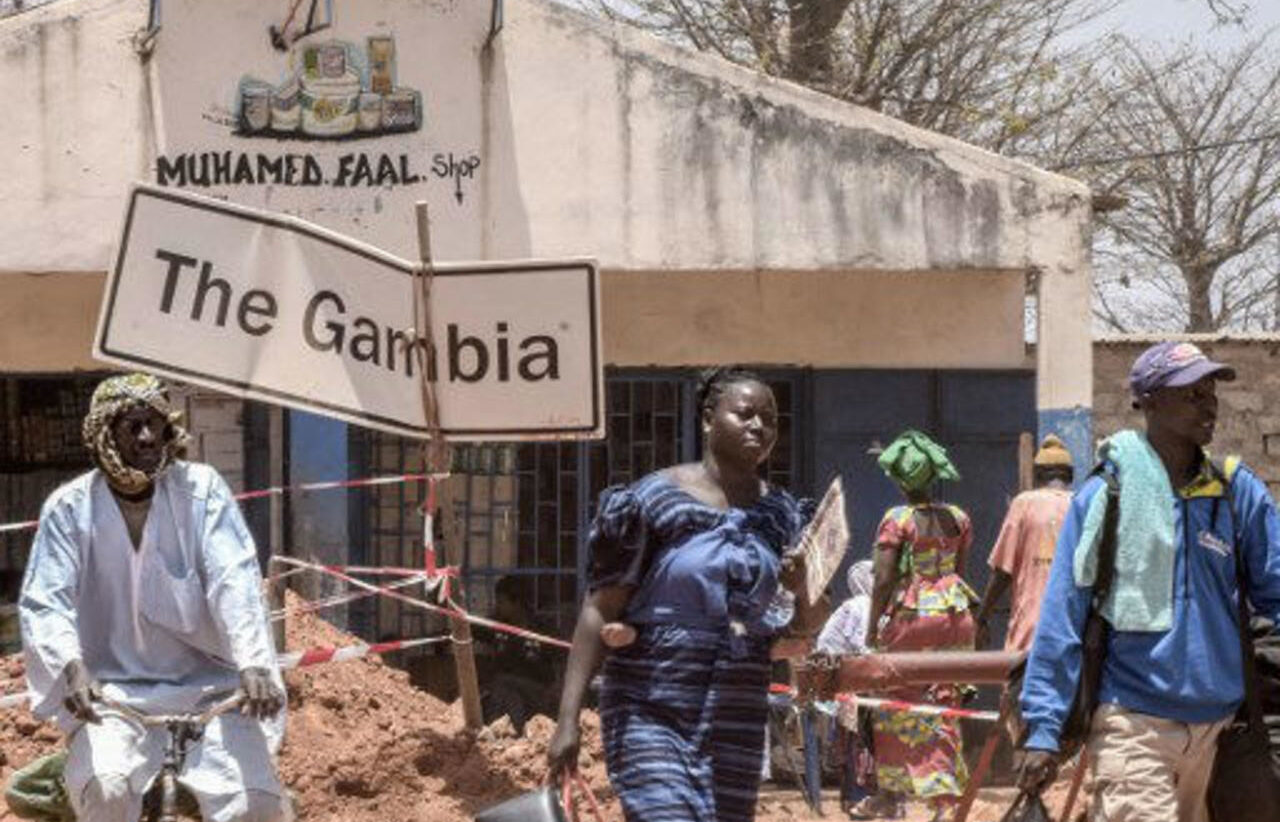
Senegal, Gambia: Nine Senegal Gambia Border Demarcation Agreements Signed
Summary
- The first phase of the Senegal-Gambia border demarcation, covering nearly 30 kilometers between Dimbaya and Kanao, has been completed.
- During six weeks of work, teams reaffirmed colonial-era markers, recorded geographical coordinates, and installed new boundary points.
- The comprehensive process included topographical surveys, historical research, document examination, and verification.
- Senegalese and Gambian representatives signed nine agreements detailing aspects of the operations, including descriptive sheets for each marker.
- Experts from Ghana and Burkina Faso assisted in the demarcation efforts, which aim to formalize a boundary previously marked by "unreliable" natural features.
Demarcation Progress Achieved
Lawyers advising clients with interests near the Senegal-Gambia border should meticulously examine the details of these nine agreements and the newly demarcated sections.
The initial phase of the Senegal Gambia border demarcation efforts has successfully concluded, covering an approximate distance of 30 kilometers. This significant undertaking focused on the stretch between Dimbaya in Kombo and Kanao in Foni, marking a crucial step in formalizing the international boundary between the two West African nations. The field operations, which spanned six weeks, involved a multi-faceted approach to establish clear and reliable boundary markers.
During this intensive period, joint teams from Senegal and The Gambia meticulously reaffirmed existing colonial border markers Senegal Gambia, which had been inherited from the colonial era. Beyond simply re-establishing these historical points, the teams also undertook precise geographical coordinate surveys and installed new markers where necessary. This comprehensive process extended beyond mere topographical measurements, incorporating thorough historical research, detailed examination of relevant documents, and rigorous verification procedures to ensure accuracy and legitimacy.
Upon the completion of this critical Dimbaya Kanao border phase, representatives from both the Senegalese and Gambian governments formally signed nine distinct agreements. These Senegal Gambia border demarcation agreements are designed to govern various aspects of the ongoing boundary operations, providing a structured framework for future work. Notably, the efforts benefited from international collaboration, with experts from Ghana and Burkina Faso lending their specialized assistance to the demarcation project, underscoring the regional importance of this initiative.
Formalizing a Historically Ambiguous Boundary
For many years, the precise delineation of the border between Senegal and The Gambia relied on what a member of the working group described as "unreliable" natural markers. This historical ambiguity has presented challenges, necessitating a robust and definitive Senegal Gambia boundary delimitation process. The current demarcation project builds upon earlier attempts to formalize the boundary, dating back to the period between 1904 and 1905 when concrete markers were initially installed to replace these less dependable natural reference points.
The recently signed Senegal Gambia nine border accords are central to this formalization, providing a detailed legal and administrative framework for the newly defined sections. Each of these agreements includes provisions for a descriptive sheet and comprehensive documentation for every single marker, whether it was reaffirmed from the colonial period or newly installed. This meticulous approach aims to eliminate future disputes arising from unclear or undocumented boundary points, aligning the process with best practices in international boundary law Africa.
By systematically documenting each marker with precise geographical coordinates and historical context, the agreements ensure a verifiable and enduring boundary. This level of detail is paramount for establishing legal certainty along the border, moving beyond the historical reliance on transient natural features or poorly documented colonial markers. The collective effort signifies a commitment from both nations to establish a clear and mutually recognized international boundary.
Implications for Cross-Border Interests
The formalization achieved through these Senegal Gambia border demarcation agreements carries significant implications for various stakeholders, particularly those with landholdings or business interests in proximity to the newly defined boundary. The transition from "unreliable" markers to precisely documented and legally recognized points fundamentally alters the landscape of property rights and resource access in these areas. This development provides much-needed clarity, but also necessitates a careful review of existing claims and operations.
Lawyers advising clients with interests near the Senegal-Gambia border should meticulously examine the details of these nine agreements and the newly demarcated sections. Understanding the specifics of the Dimbaya Kanao border phase and the comprehensive documentation associated with each marker is crucial for assessing potential impacts on property ownership, land use, and access to shared resources. The formalization of these colonial border markers Senegal Gambia could, for instance, affect the legal standing of previously informal land claims or cross-border agricultural practices.
Ultimately, the completion of this initial phase and the signing of the Senegal Gambia nine border accords represent a pivotal moment in regional governance. By establishing a clear and documented boundary, both nations are laying the groundwork for more stable cross-border relations and economic activities. This enhanced certainty, however, requires proactive engagement from legal professionals to guide clients through the implications of these formalized international boundary law Africa developments.
Practical Implications
Lawyers advising clients with landholdings or business interests near the Senegal-Gambia border should review the details of these nine agreements and the newly demarcated sections to assess potential impacts on property rights, resource access, or cross-border operations. This development formalizes previously 'unreliable' markers, potentially affecting existing claims or future investments.
Source
Source: Original reporting via Kewoulo
How does this affect you?
Get an AI analysis of this article grounded in your jurisdictions, practice areas, and any policy documents you've uploaded to Wansom.
Finish Reading the Full Story and the Expert Analysis.
Get the latest legal & regulatory intelligence in Senegal
Wansom is AI and can make mistakes.