
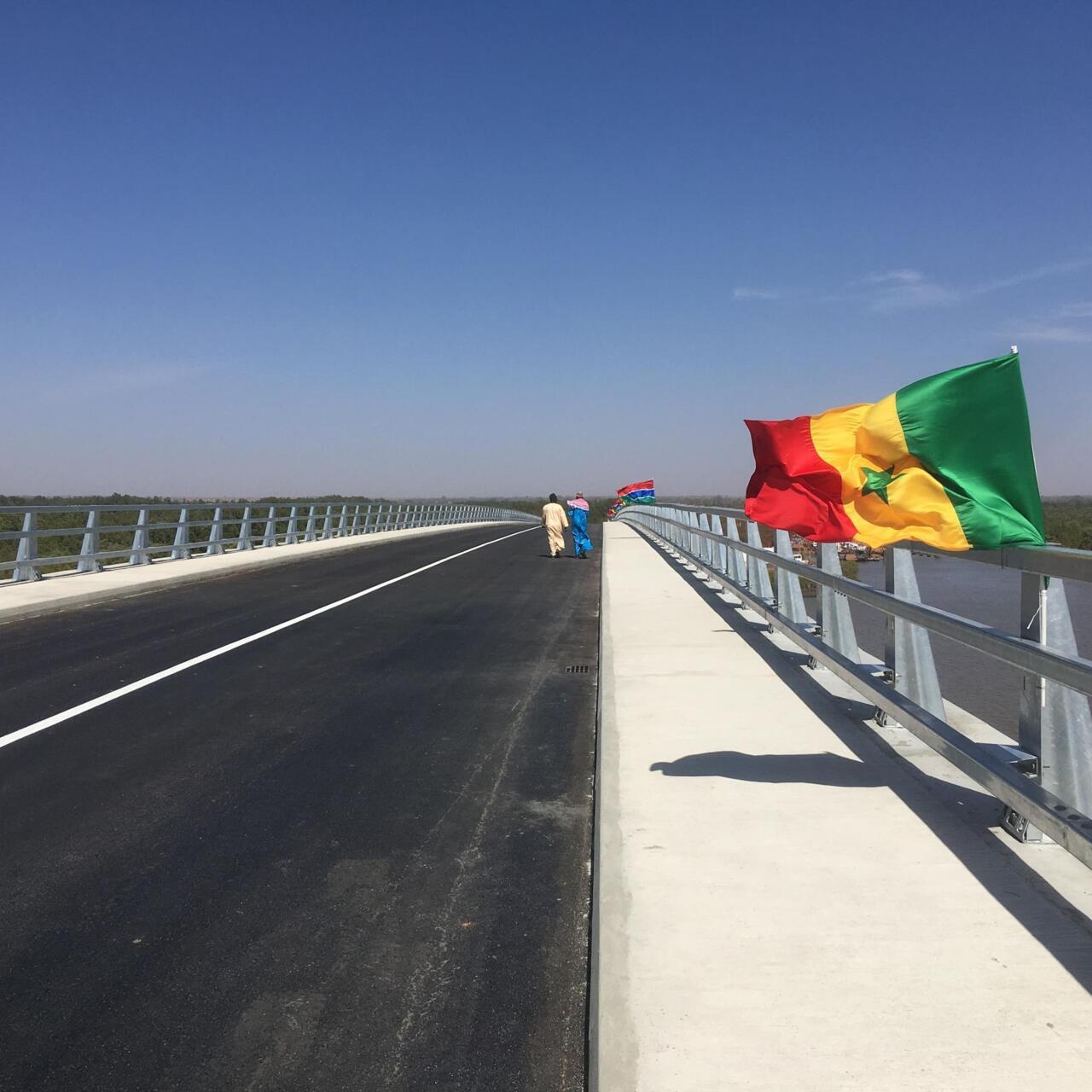
Senegal Gambia Border Demarcation Agreements: Joint Commission Signs 9 Pacts
Summary
- The joint Senegal-Gambia commission completed the first phase of border demarcation, covering nearly 30 kilometers between Dimbaya and Kanao.
- Field work for this phase lasted six weeks and involved reaffirming colonial markers, recording geographic coordinates, and placing new markers.
- Representatives from both countries signed nine agreements outlining various aspects of the demarcation exercise.
- The current process builds on historical borders from 1889-1905, which initially relied on natural features before concrete markers were installed in 1904-1905.
- Each boundary marker will be meticulously documented with a descriptive sheet, and experts from Ghana and Burkina Faso assisted in the work.
Recent Border Demarcation Progress
The current efforts to delineate the Senegal Gambia boundary agreements build upon a historical foundation established between 1889 and 1905.
A joint commission comprising representatives from Senegal and The Gambia has successfully concluded the initial phase of a critical border demarcation project. This first stage involved surveying and marking nearly 30 kilometers of the shared frontier, specifically between Dimbaya in Kombo and Kanao in Foni. The field operations for this segment spanned a period of six weeks, marking a significant step in clarifying the precise boundaries between the two West African nations.
During this intensive six-week period, the commission's work focused on several key activities. These included the re-affirmation of existing colonial markers, the meticulous recording of geographic coordinates for these points, and the strategic placement of new boundary markers where necessary. This comprehensive approach aims to establish a definitive and undisputed line of demarcation. Following the completion of these field activities, representatives from both countries formalized their commitment to the process by signing nine distinct agreements, which address various aspects of this extensive exercise.
These Senegal Gambia border demarcation agreements are vital for the ongoing process, providing a legal and procedural framework for the work undertaken. The signing of these nine agreements underscores the collaborative spirit and mutual commitment of both nations to resolve long-standing ambiguities regarding their shared boundary. This initial success sets a precedent for future phases of the project, reinforcing regional stability through clear jurisdictional definitions.
Historical Context and Modern Methodology
The current efforts to delineate the Senegal Gambia boundary agreements build upon a historical foundation established between 1889 and 1905. Initially, the borders were defined using natural, often temporary, features such as trees, ponds, bolongs (tidal creeks), and footpaths. However, this system proved to be inherently unreliable over time due to the changing nature of these elements. Recognizing this challenge, concrete markers were subsequently installed in 1904 and 1905 to provide more permanent and unambiguous reference points.
The contemporary demarcation process goes beyond simple topographical surveys. It incorporates extensive historical research, thorough examination of relevant documents, and rigorous verification procedures to ensure accuracy and historical fidelity. This multi-faceted approach is designed to create a robust and enduring definition of the border. A crucial component of this methodology is the commitment to detailed documentation: each boundary marker, whether re-affirmed or newly installed, will be accompanied by a descriptive sheet and comprehensive supporting documentation.
This meticulous approach to West Africa border re-affirmation is further bolstered by international cooperation. Experts from Ghana and Burkina Faso provided assistance during the field work, lending their specialized knowledge and experience to the Senegal Gambia joint commission. Their involvement highlights the regional significance of this undertaking and the shared commitment to best practices in international boundary demarcation.
Significance of Clear Boundaries
The meticulous work of the Senegal Gambia joint commission in defining and documenting the border holds profound significance for both nations and the broader West African region. Clear and undisputed boundaries are fundamental to national sovereignty, regional stability, and the prevention of cross-border disputes. The detailed descriptive sheets and comprehensive documentation for each marker will serve as an invaluable resource, reducing potential ambiguities and providing a definitive reference for future generations.
These Senegal Gambia boundary agreements are not merely technical exercises; they have tangible impacts on the lives of people and the operations of businesses. Establishing precise jurisdictional lines is crucial for managing shared resources, facilitating legitimate cross-border trade, and ensuring effective governance. For legal professionals, these detailed demarcation agreements provide clarity on land ownership, resource rights, and regulatory compliance, which are essential for advising clients engaged in activities within the border regions.
Ultimately, the successful completion of this demarcation project, underpinned by the nine agreements, will foster greater certainty and cooperation between Senegal and The Gambia. It represents a proactive step towards solidifying their shared frontier, promoting peaceful coexistence, and laying a stable foundation for economic development and regional integration.
Practical Implications
Lawyers advising clients on land ownership, resource rights, or cross-border operations in the Senegal-Gambia region should monitor the details of these demarcation agreements as they define jurisdictional boundaries and could impact property claims, regulatory compliance, and dispute resolution.
Source
Source: Original reporting via Presafrik
How does this affect you?
Get an AI analysis of this article grounded in your jurisdictions, practice areas, and any policy documents you've uploaded to Wansom.
Finish Reading the Full Story and the Expert Analysis.
Get the latest legal & regulatory intelligence in Senegal
Wansom is AI and can make mistakes.