
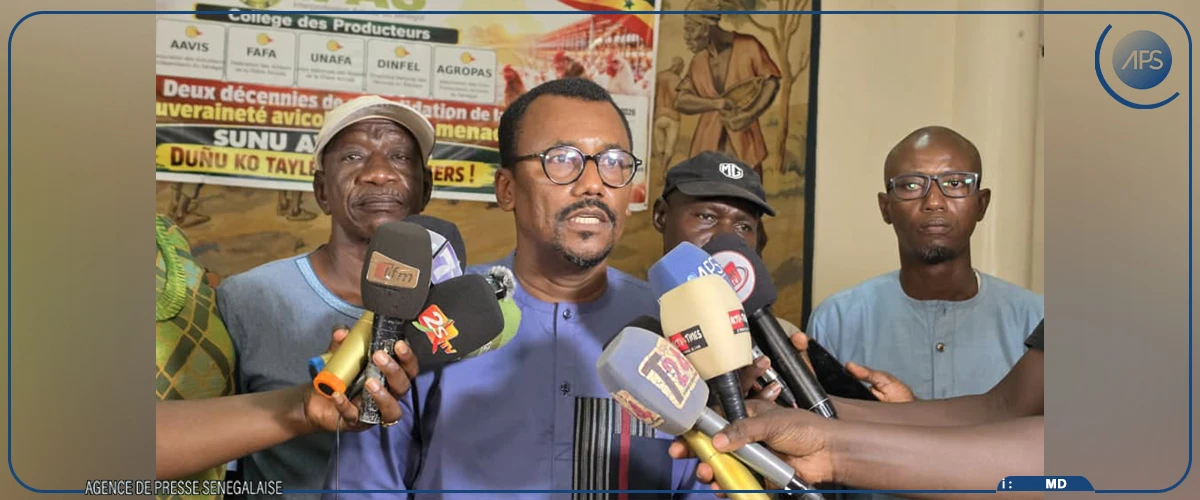
IPAS Senegal: Foreign Poultry Investment Risks Warned
Summary
- The Interprofessional Avicole du Sénégal (IPAS) issued an alert regarding foreign poultry investment.
- IPAS warned of significant economic, environmental, and social risks to the local aviculture sector.
- The establishment of large foreign producers in Thiès and Diourbel could lead to thousands of job losses.
- Local industry stakeholders were informed about these planned foreign projects.
Local Industry Concerns Emerge Over Foreign Poultry Investment
Lawyers should closely observe potential regulatory responses or policy changes by the Senegalese government aimed at protecting the local poultry industry.
The Interprofessional Avicole du Sénégal (IPAS) recently issued a stark warning concerning the impending establishment of major foreign poultry producers within the country. On Saturday, October 11, the professional body articulated significant apprehension regarding the potential economic, environmental, and social repercussions these new ventures could have on Senegal's established aviculture sector. This alert specifically highlighted planned foreign direct investment in poultry operations slated for the Thiès and Diourbel regions.
IPAS's concerns stem from information indicating that large-scale foreign entities are preparing to set up operations, a development that local industry stakeholders believe poses a direct threat to their livelihoods. The organization underscored the severe risk of job displacement, estimating that the local poultry industry could face the loss of thousands of employment opportunities if these foreign projects proceed without adequate safeguards. This potential impact on employment forms a core part of the IPAS Senegal aviculture concerns.
The Threat to Senegal's Aviculture Sector
The proposed entry of substantial foreign players into the Senegalese poultry market is perceived as a critical challenge to the stability and growth of the domestic aviculture industry. Local producers fear that the scale and resources of these international firms could overwhelm existing businesses, leading to an uneven competitive landscape. The economic impact foreign producers Senegal could be profound, potentially disrupting supply chains, pricing structures, and market access for local farmers and businesses.
Beyond the immediate economic pressures, IPAS also pointed to broader environmental and social risks associated with large-scale industrial poultry farming. While specifics were not detailed, such operations often raise questions about waste management, resource consumption, and the welfare of local communities. The potential Thiès Diourbel poultry industry impact is particularly acute given these regions are key agricultural zones, and the loss of thousands of jobs would have cascading social effects, impacting families and local economies reliant on the poultry sector.
Calls for Regulatory Scrutiny and Protection
In light of these serious warnings, there is an implicit call for the Senegalese government and regulatory bodies to carefully consider the implications of these foreign investments. The Senegal foreign poultry investment risks highlighted by IPAS suggest a need for policies that balance attracting foreign capital with safeguarding local industries and employment. This situation underscores the importance of robust Senegal local industry protection laws to ensure fair competition and sustainable development within the aviculture sector.
For legal professionals, this development signals a crucial area for monitoring. Lawyers should closely observe potential regulatory responses or policy changes by the Senegalese government aimed at protecting the local poultry industry. Such measures could significantly impact future foreign investment projects or necessitate new compliance requirements for existing foreign operators in the sector, potentially altering the landscape for foreign direct investment Senegal poultry and addressing aviculture Sénégal risques investissement étranger.
Practical Implications
Lawyers should monitor potential regulatory responses or policy changes by the Senegalese government to protect the local poultry industry, which could impact foreign investment projects or require new compliance measures for existing foreign operators in the sector.
Source
How does this affect you?
Get an AI analysis of this article grounded in your jurisdictions, practice areas, and any policy documents you've uploaded to Wansom.
Finish Reading the Full Story and the Expert Analysis.
Get the latest legal & regulatory intelligence in Senegal
Wansom is AI and can make mistakes.