
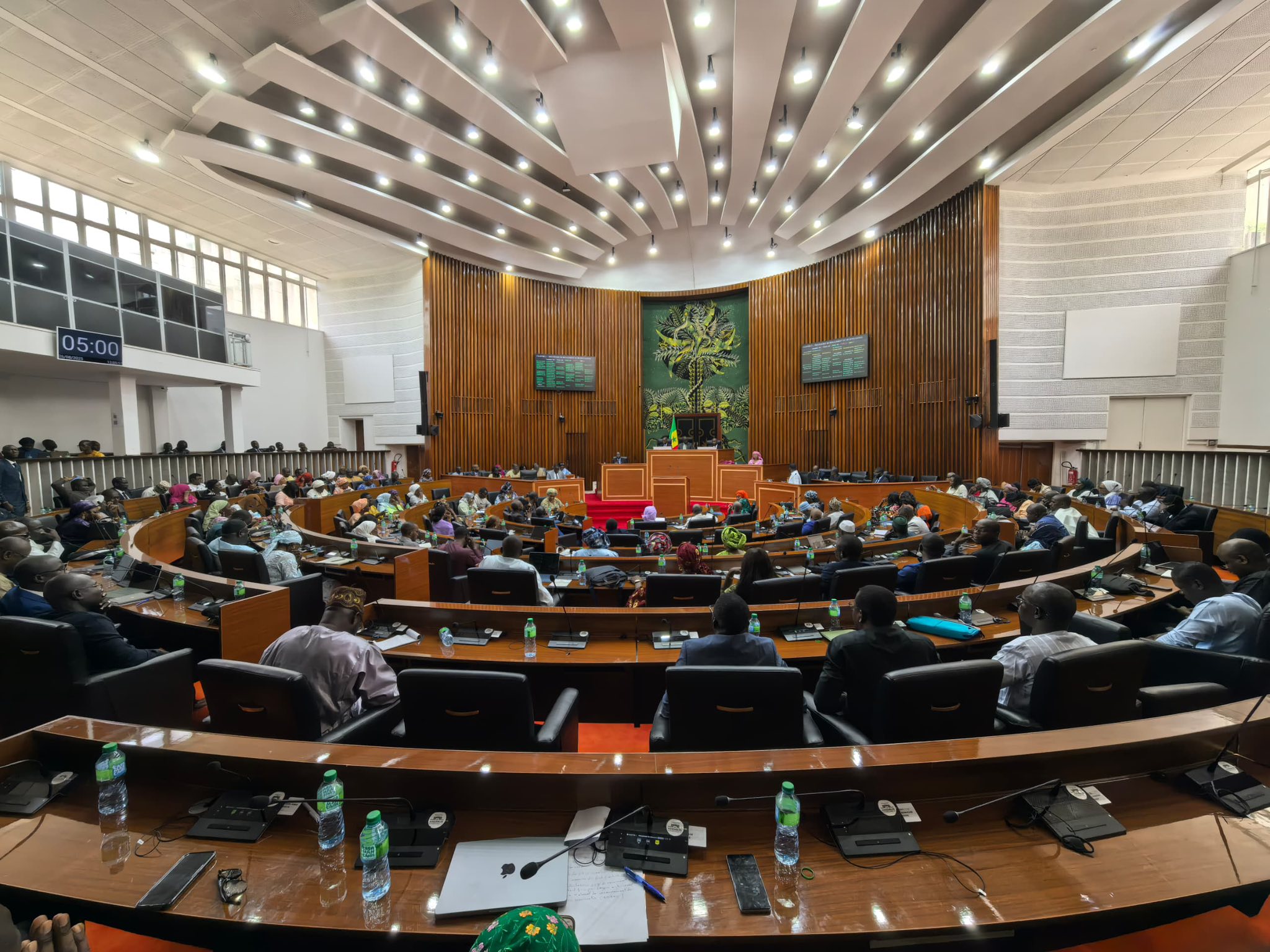
Sénégal Assemblée: LFR 2026 Rejetée, Sonko Lie Fonds Politiques
Summary
- Senegal's National Assembly Finance and Budget Control Committee rejected the draft Rectifying Finance Law (LFR) 2026.
- The rejection stems from ongoing disagreements between deputies and the government over budgetary choices and financial priorities.
- President of the National Assembly, Ousmane Sonko stated his party would not vote for the LFR 2026 without regulation of political funds.
- The government had previously secured a postponement of the plenary session on October 21, committing to provide additional documents by October 22.
- The committee's decision was reported by I2N and Senegal7, confirming the legislative impasse.
Legislative Setback for Senegal's 2026 Budget
On Monday, October 19, 2026, during a press briefing, President of the National Assembly, Ousmane Sonko explicitly stated that his political party would not support the draft LFR 2026 unless specific regulations were put in place to govern political funds.
The Finance and Budget Control Committee of Senegal's National Assembly has formally rejected the draft Rectifying Finance Law (LFR) for 2026. This significant decision underscores a persistent disagreement between parliamentary deputies and the government regarding the nation's financial priorities and overall budgetary allocations. The rejection of the **Loi de finances rectificative 2026 Sénégal** by the influential **Commission finances Assemblée nationale Sénégal** highlights a deep-seated impasse in the legislative process, reflecting fundamental differences in vision for the country's economic direction.
Reports from I2N and Senegal7 confirmed the committee's decision, which follows a period of intense debate and stalled negotiations within the legislative body. The initial discussions surrounding the **LFR 2026 rejetée** had already encountered multiple points of contention, signaling the challenges in reaching a consensus on the proposed financial framework. This outcome reflects a critical moment in the country's fiscal planning, with the legislative body asserting its robust oversight role in the face of governmental proposals.
Political Funds at the Core of Disagreement
A central and non-negotiable point of contention in the legislative standoff emerged from the demands made by President of the National Assembly, Ousmane Sonko. On Monday, October 19, 2026, during a press briefing, Sonko explicitly stated that his political party would not support the draft LFR 2026 unless specific regulations were put in place to govern political funds. This **Ousmane Sonko condition fonds politiques** introduced a critical hurdle, transforming the budget debate into a broader discussion about transparency and accountability in political financing, a matter of increasing public scrutiny.
The path to the committee's ultimate rejection was marked by earlier procedural delays, indicating the depth of the disagreements. On October 21, the government successfully requested a postponement of the plenary session, which was initially scheduled to review the draft law, pushing it to the following week. This delay was granted with the explicit understanding that the Ministry of Economy, Planning and Cooperation would furnish the committee with additional documentation and justifications. These crucial materials were expected to be submitted before the discussions were slated to resume on October 22, highlighting the government's efforts to address parliamentary concerns, albeit ultimately proving insufficient to prevent the **Rejet budget Sénégal 2026**.
Broader Implications for Governance and Fiscal Stability
The rejection of the LFR 2026 by the parliamentary committee carries substantial implications for Senegal's governance and fiscal stability, extending beyond the immediate budgetary cycle. It signifies a profound **désaccord gouvernement députés budget**, indicating a lack of alignment on fundamental economic policies and expenditure priorities that are crucial for national development. Such a legislative deadlock can introduce significant uncertainty into the nation's financial planning, potentially affecting various sectors reliant on state funding and approved budgetary frameworks, and may necessitate a complete re-evaluation of fiscal strategies.
This situation underscores the critical and independent role of the National Assembly in scrutinizing and approving government financial proposals, acting as a check on executive power. The insistence on regulating political funds, as articulated by President of the National Assembly, Ousmane Sonko, highlights a growing demand for enhanced transparency and ethical governance within the political landscape, reflecting broader public sentiment. The current instability surrounding the LFR 2026 suggests that the government will need to re-engage with parliamentary factions to address their concerns and forge a revised budgetary consensus, particularly given the specific condition tied to the oversight of political funding, to ensure the smooth functioning of state finances.
Practical Implications
Lawyers and compliance officers should monitor the ongoing legislative process for the LFR 2026 in Senegal, as its rejection means the proposed budgetary framework is unstable. This could lead to revised financial regulations or new conditions, particularly concerning the oversight and transparency of political funds, which may impact clients involved in political activities or subject to public funding regulations.
Source
How does this affect you?
Get an AI analysis of this article grounded in your jurisdictions, practice areas, and any policy documents you've uploaded to Wansom.
Finish Reading the Full Story and the Expert Analysis.
Get the latest legal & regulatory intelligence in Senegal
Wansom is AI and can make mistakes.