
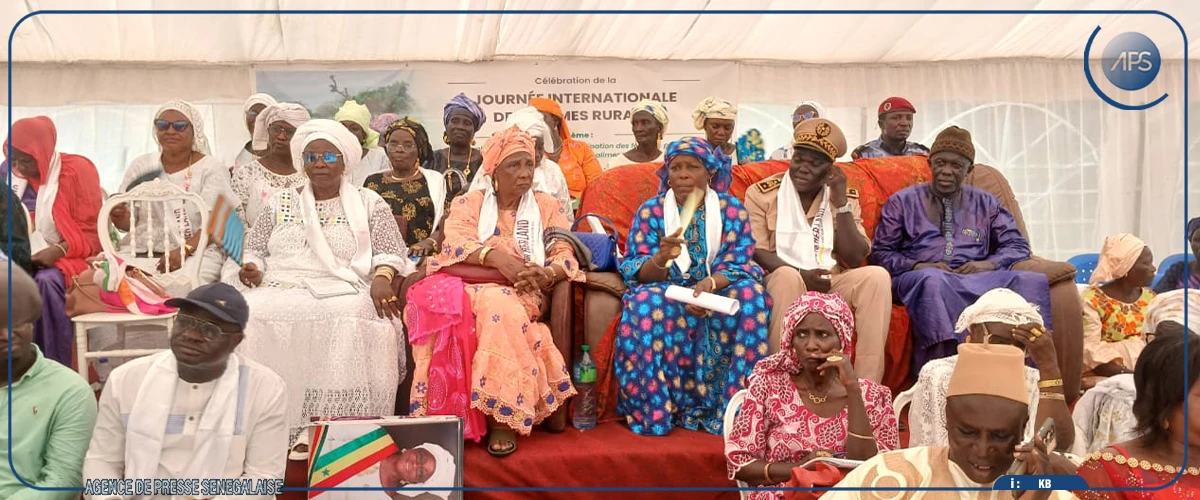
Sénégal Femmes Rurales: Droit Foncier et Justice Climatique au Cœur des Débats
Summary
- The Réseau des femmes rurales du Sénégal celebrated the International Day of Rural Women in Thionck Essyl.
- Panel discussions focused on critical topics including law, land tenure, financing, and climate issues.
- A central theme of the event was the intersection of land rights and climate justice for rural women in Senegal.
- The gathering highlighted the significant challenges faced by women regarding land access and the impacts of climate change.
- Discussions aimed to empower rural women and promote more equitable land policies and climate resilience strategies.
Commemorating Rural Women's Contributions
Empowering these women through secure land ownership and improved access to financial resources is not merely an issue of social justice; it is also an indispensable element for national development and robust climate adaptation strategies.
The Réseau des femmes rurales du Sénégal recently organized a significant event to observe the International Day of Rural Women. This commemoration took place on a Sunday in Thionck Essyl, a community situated within the Bignona department of Senegal's southern Ziguinchor region. The gathering served as a crucial forum for addressing multifaceted issues pertinent to the lives and livelihoods of women in rural areas.
A series of panel discussions formed the core of the day's activities. These sessions were meticulously structured to cover a range of vital topics, including the intricacies of legal frameworks, the complexities of land tenure, avenues for financial access, and the pervasive challenges posed by climate change. The overarching theme that guided these deliberations was the critical nexus between land rights and the broader concept of climate justice, particularly as it pertains to Sénégal femmes rurales droit foncier justice climatique.
Navigating Land Rights and Climate Challenges
The discussions held at Thionck Essyl brought into sharp focus the significant obstacles encountered by rural women across Senegal, especially concerning their equitable access to and control over productive land. The intersection of droit foncier Sénégal and the imperative of justice climatique Sénégal emerged as a central point of concern, reflecting the dual pressures these communities face in securing their foundational resources amidst an evolving environmental landscape. Participants explored how existing legal provisions and traditional land management systems frequently disadvantage women, thereby impeding their capacity to adapt effectively to environmental shifts and sustain their economic well-being.
Furthermore, the panels delved into the practical implications of these challenges, examining how insecure land tenure can exacerbate vulnerability to climate impacts, such as unpredictable weather patterns and resource scarcity. The dialogue emphasized the necessity of reforming land policies to ensure greater inclusivity and gender equity, recognizing that secure land rights are fundamental to building resilience against climate change. The event provided a vital platform for stakeholders to exchange insights, articulate specific concerns, and collectively identify potential pathways toward more just and sustainable land governance.
Empowering Voices for a Sustainable Future
The initiative undertaken by the Réseau des femmes rurales du Sénégal to host this pivotal event in Thionck Essyl represents a significant step forward in advocating for the droits des femmes rurales Sénégal. By convening discussions focused on Thionck Essyl foncier climat issues, the network effectively amplifies the voices of women who are often at the forefront of both agricultural production and climate vulnerability. This targeted engagement fosters a deeper understanding of the unique challenges and specific needs of women residing in agricultural and remote settings.
Empowering these women through secure land ownership and improved access to financial resources is not merely an issue of social justice; it is also an indispensable element for national development and robust climate adaptation strategies. The conversations aimed to cultivate an environment where rural women can actively and meaningfully participate in the decision-making processes that directly influence their lives, their families' well-being, and the long-term sustainability of their communities. Such dialogues are instrumental in shaping policies that truly reflect the realities and aspirations of rural women, ensuring their integral role in building a resilient Senegal.
Practical Implications
Lawyers advising on land use, environmental projects, or social impact investments in Senegal should monitor ongoing discussions and potential policy shifts regarding rural women's land rights and climate justice, as these could influence future regulatory frameworks, community engagement strategies, and potential litigation risks.
Source
How does this affect you?
Get an AI analysis of this article grounded in your jurisdictions, practice areas, and any policy documents you've uploaded to Wansom.
Finish Reading the Full Story and the Expert Analysis.
Get the latest legal & regulatory intelligence in Senegal
Wansom is AI and can make mistakes.