
Senegal EU Fishing Agreement Protocol Expired: No Renewal for EU Vessels
Summary
- The implementing protocol for the Senegal-EU Sustainable Fisheries Partnership Agreement expired on November 17, 2024, and has not been renewed.
- The main Sustainable Fisheries Partnership Agreement between Senegal and the European Union remains in force.
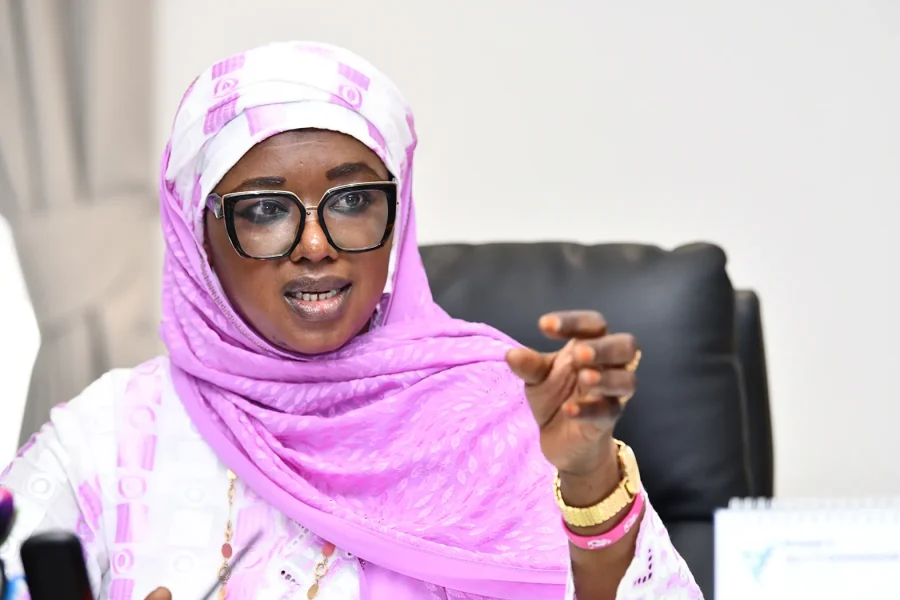
- Senegal's Minister of Fisheries, Amy Mara Dièye, aims to significantly increase the sector's economic contribution and is prioritizing sustainable resource management and combating illegal fishing.
- The expiration creates legal ambiguity for EU fishing activities in Senegalese waters, potentially requiring new negotiations.
- Senegal faces domestic challenges like overfishing and resource depletion, making transparent license management and sustainable practices critical.
EU-Senegal Fisheries Protocol Lapses
The implementing protocol for the Sustainable Fisheries Partnership Agreement (SFPA) between Senegal and the European Union officially expired on November 17, 2024, and has not been renewed.
The implementing protocol for the Sustainable Fisheries Partnership Agreement (SFPA) between Senegal and the European Union officially expired on November 17, 2024, and has not been renewed. This protocol, which governs the specific conditions for EU fishing activities in Senegalese waters, had previously been renewed for a five-year term in November 2019.
The overarching Sustainable Fisheries Partnership Agreement between Senegal and the EU, however, remains in effect despite the expiration of its accompanying protocol. The lapse of the protocol means that while the foundational agreement persists, the detailed operational framework for EU vessels, including quotas and financial contributions, is currently without a renewed legal basis.
Legal and Regulatory Context
The expiration of the protocol introduces a period of uncertainty regarding the precise terms under which European Union vessels can operate in Senegalese fishing zones. The SFPA itself provides the general framework for cooperation on sustainable fisheries management, but the protocol specifies the practical arrangements and access conditions. The absence of a renewed protocol could necessitate new negotiations or interim measures to clarify the legal standing of EU fishing licenses and activities.
This development occurs against a backdrop of significant domestic challenges within Senegal's fisheries sector. The industry, which currently contributes approximately 3% to the nation's economic growth, faces considerable pressure from overfishing and the depletion of key resources, such as sardinella. The management of fishing licenses has been a particularly sensitive issue, exemplified by a partial easing of a 20-year moratorium on hake licenses by former minister Fatou Diouf, a decision that drew a reaction from the Groupement des Armateurs et Industriels de la Pêche au Sénégal (GAIPES).
Senegal's Fisheries Policy and Ambitions
Amy Mara Dièye, Senegal's current Minister of Fisheries and Maritime Economy, has articulated an ambitious vision to elevate the sector's contribution to the national economy to a double-digit percentage. Her priorities, outlined in the Sectoral Policy Letter 2025-2029 and aligned with the "Vision Senegal 2050" National Transformation Agenda, focus on the sustainable management of fishery resources, regulating access, promoting scientific research, and rigorously combating illegal, unreported, and unregulated (IUU) fishing.
Minister Dièye also emphasizes the modernization of equipment, the expansion of aquaculture, and the protection of the marine environment. She has stated that fishing license management adheres to existing regulations and has established a committee within her ministry to enhance transparency in the issuance process. Since assuming office in June 2026, her ministry has taken concrete steps, including receiving 24 canoes and five fiberglass patrol boats to combat IUU fishing, and initiating projects for artisanal fishing such as vessel geolocalization, modernization, the replacement of nylon monofilament nets with biodegradable alternatives, and strengthening the cold chain. These initiatives are designed to improve working conditions and generate employment in related fields like handling, transport, and sales of fishing equipment. Her August 2026 work tour in Saint-Louis further underscored her commitment to artisanal fishing and new aquaculture projects, with visits to key fishing docks and processing sites.
Implications for Future Cooperation
The non-renewal of the Senegal-EU fishing protocol introduces a critical juncture for the future of the Sustainable Fisheries Partnership Agreement. While the core agreement remains valid, the absence of an active protocol means that the specific operational parameters for EU fishing fleets in Senegalese waters are now undefined. This situation could lead to a period of renegotiation or the establishment of new interim arrangements to ensure continued, legally sound fishing activities.
This development is particularly significant given Senegal's broader strategic objectives for its maritime economy, including its focus on sustainable resource management and combating illegal fishing. The ongoing dialogue between Senegal and the European Union will be crucial in determining how fishing access and cooperation will proceed, balancing the economic interests of both parties with the imperative of preserving Senegal's marine ecosystems.
Practical Implications
Lawyers advising clients in the fishing sector operating in Senegalese waters should note that while the Senegal-EU Sustainable Fisheries Partnership Agreement remains in force, its implementing protocol expired on November 17, 2024, and has not been renewed. This creates potential legal ambiguity regarding the specific conditions, quotas, and financial contributions governing EU fishing activities, necessitating a review of operational compliance and potential future renegotiation impacts.
Source
How does this affect you?
Get an AI analysis of this article grounded in your jurisdictions, practice areas, and any policy documents you've uploaded to Wansom.
Finish Reading the Full Story and the Expert Analysis.
Get the latest legal & regulatory intelligence in Senegal
Wansom is AI and can make mistakes.