
Senegal Domestic Worker Reforms: Dianté Urges Wage, Training Boosts
Summary
- Senegal's Minister of Public Service, Labour, and Public Service Reform, Mamadou Lamine Dianté, called for reforms to domestic work on Monday, October 19.
- The Minister advocated for strengthening the economic and social valuation of domestic labor.
- Key recommendations include adjusting salaries, providing professional training, and enhancing social protection for domestic workers.
- These proposals signal potential future legislative changes impacting employment standards in the domestic work sector.
What Happened
Legal professionals advising entities involved in domestic employment should closely monitor these developments, as they indicate a clear governmental intent to formalize and improve conditions within the travail domestique sector.
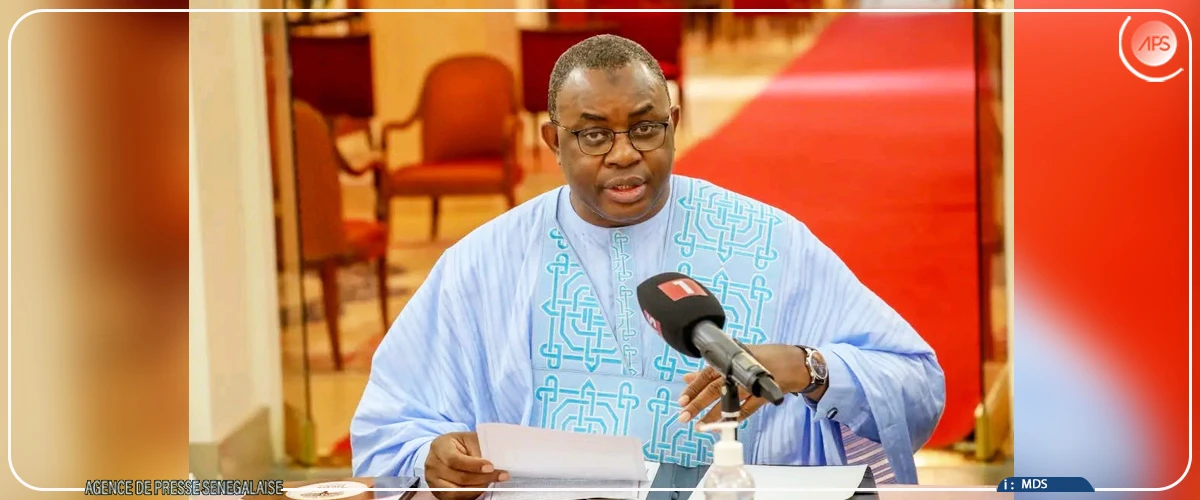
On Monday, October 19, in Dakar, Mamadou Lamine Dianté, who serves as the Minister of Public Service, Labour, and Public Service Reform, issued a significant call for enhanced recognition of domestic work within Senegal. His remarks underscored the necessity of elevating both the economic and social standing of individuals engaged in this sector. The Minister specifically highlighted three key areas for intervention: the adjustment of wages, the provision of professional training, and the improvement of social protection mechanisms for domestic workers. These recommendations signal a potential shift in how travail domestique is viewed and regulated in the country.
The Minister's statement emphasizes a proactive approach to addressing long-standing issues faced by domestic workers. By advocating for salary revaluation, the government aims to ensure fairer compensation, moving towards a more equitable economic environment for these essential service providers. The focus on Sénégal revalorisation salaires domestiques is a critical component of the broader Senegal domestic worker reforms Dianté is championing, aiming to uplift a segment of the workforce often marginalized.
Addressing Key Areas of Reform
A central pillar of the proposed Senegal domestic worker reforms Dianté outlined is the imperative for professional training. This initiative seeks to equip domestic workers with enhanced skills, thereby increasing their professional value and opportunities. Such Formation professionnelle travailleurs domestiques Sénégal could lead to standardized service quality and improved career pathways within the sector, benefiting both employees and employers. It moves beyond mere employment to professional development.
Furthermore, the Minister stressed the importance of bolstering social protection for domestic workers. This aspect, often overlooked, is crucial for ensuring the well-being and security of this vulnerable population. Improved Protection sociale domestique Sénégal could encompass access to healthcare, retirement benefits, and other social safety nets, aligning the sector with broader labor standards. The comprehensive nature of these recommendations from the Ministre du Travail Sénégal suggests a holistic view of worker welfare.
Future Implications for the Sector
The recommendations put forth by Mamadou Lamine Dianté carry substantial implications for employers of domestic workers and agencies operating within Senegal. While currently recommendations, they foreshadow potential legislative or regulatory changes that could significantly alter compliance requirements and employment contract standards. Legal professionals advising entities involved in domestic employment should closely monitor these developments, as they indicate a clear governmental intent to formalize and improve conditions within the travail domestique sector.
These proposed Senegal domestic worker reforms Dianté initiatives, if implemented, would necessitate a review of existing employment practices to ensure adherence to new wage structures, training mandates, and social security contributions. The emphasis on economic and social valuation reflects a growing global trend towards recognizing domestic work as a formal profession deserving of standard labor rights and protections. This proactive stance by the Senegalese government, championed by Minister Dianté, marks a pivotal moment for domestic labor policy in the region.
Practical Implications
Lawyers advising employers of domestic workers or agencies in Senegal should monitor these recommendations from the Minister of Public Service, Labour, and Public Service Reform, as they signal potential future legislative or regulatory changes regarding salaries, training, and social protection for domestic workers. This could impact compliance requirements and employment contracts.
Source
Source: Original reporting via APS.
How does this affect you?
Get an AI analysis of this article grounded in your jurisdictions, practice areas, and any policy documents you've uploaded to Wansom.
Finish Reading the Full Story and the Expert Analysis.
Get the latest legal & regulatory intelligence in Senegal
Wansom is AI and can make mistakes.