
Sénégal: New Dispositif Commercialisation Produits Agricoles Launched
Summary
- The Senegalese government has launched a new mechanism to prevent late preparation for the marketing of agricultural products.
- This initiative involves a collaborative effort between farmers, banks, the private sector, and relevant state services.
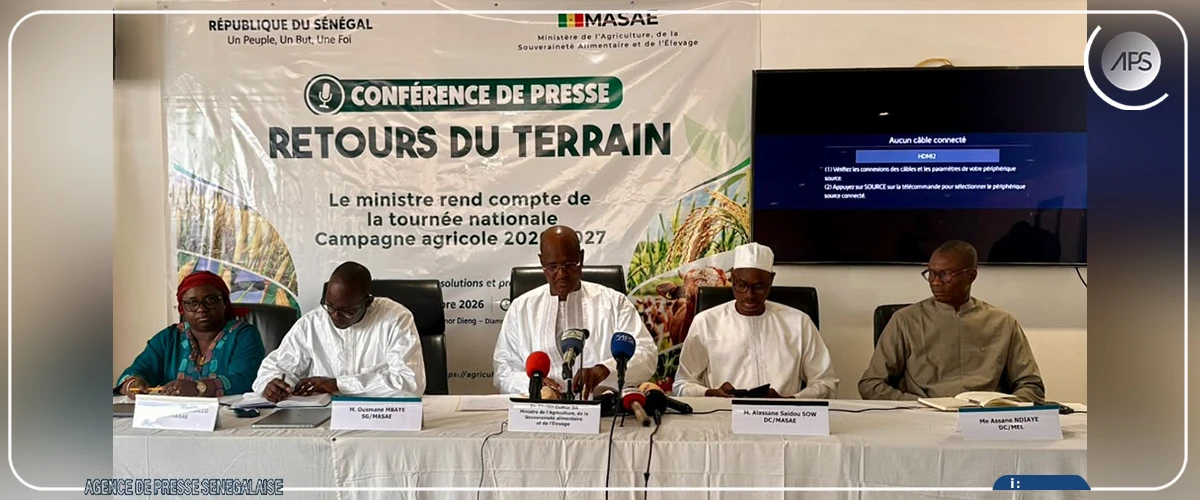
- The Minister of Agriculture, Food Sovereignty, announced the `dispositif` in Diamniadio on a Thursday in early October.
- The goal is to enhance efficiency in the agricultural value chain and improve market access for producers.
- The new framework is expected to introduce changes in regulations and operational guidelines for the agricultural sector.
Government Unveils New Agricultural Marketing Framework
Lawyers advising clients within Senegal's agricultural sector, including producers, financial institutions, and private sector distributors, should closely monitor the forthcoming details of this initiative.
The Senegalese government has officially launched a comprehensive new mechanism designed to address and eliminate the persistent issue of delayed preparation for the marketing of agricultural products. This initiative, termed a 'dispositif,' seeks to optimize the entire value chain, ensuring that produce reaches markets efficiently and on time. The announcement was made by the Minister of Agriculture, Food Sovereignty, and other relevant portfolios, during a public address in Diamniadio, located in the western region of the country, on a Thursday in early October.
This strategic move underscores the government's commitment to bolstering the agricultural sector and enhancing the economic viability for farmers across the nation. The `Sénégal dispositif commercialisation produits agricoles` is a direct response to challenges that have historically hampered the timely sale and distribution of harvests, often leading to losses for producers and inefficiencies in the supply chain. By proactively tackling the 'préparation tardive,' authorities aim to create a more robust and predictable market environment for agricultural goods.
Collaborative Approach to Market Efficiency
Central to this new `Sénégal politique agricole` is a collaborative framework that brings together a diverse array of key stakeholders. The `dispositif` explicitly includes farmers, who are at the heart of agricultural production, alongside financial institutions such as banks, which play a crucial role in providing necessary capital and credit. Furthermore, the private sector, encompassing various actors involved in logistics, processing, and distribution, is an integral component of this integrated approach. Relevant state services are also deeply involved, providing oversight, regulatory support, and coordination.
This multi-stakeholder model is intended to foster synergy and shared responsibility in overcoming the systemic issues that contribute to marketing delays. The inclusion of banks suggests a focus on improving access to financing for post-harvest activities, while the private sector's involvement points to efforts to leverage commercial expertise for more effective distribution and market access. This `Sénégal dispositif anti-retard commercialisation` represents a concerted effort to streamline operations from farm to market, ensuring that the `Sénégal commerce produits agricoles` operates with greater fluidity and less friction.
Implications for Food Sovereignty and Sector Regulation
The introduction of this `dispositif` carries significant implications for Senegal's broader agricultural landscape and its pursuit of food sovereignty. By ensuring more efficient `commercialisation produits agricoles`, the government aims to stabilize market prices, reduce post-harvest losses, and ultimately enhance the income of farmers. This aligns directly with the mandate of the `Sénégal ministre Agriculture souveraineté alimentaire`, who has been a vocal proponent of strengthening domestic food production and distribution capabilities.
Lawyers advising clients within Senegal's agricultural sector, including producers, financial institutions, and private sector distributors, should closely monitor the forthcoming details of this initiative. It is highly probable that this `dispositif` will necessitate new `Sénégal réglementation commercialisation agricole`, contractual obligations, or operational guidelines. These changes could significantly impact compliance requirements, financing structures, and the overall framework governing commercial agreements related to agricultural product marketing, requiring careful legal navigation to ensure adherence and capitalize on new opportunities within the evolving sector.
Practical Implications
Lawyers advising clients in Senegal's agricultural sector, including producers, banks, and private sector distributors, should monitor for the specific details of this new 'dispositif'. This initiative likely entails new regulatory frameworks, contractual obligations, or operational guidelines that could impact compliance, financing, and commercial agreements related to agricultural product marketing.
Source
Source: Original reporting via APS
How does this affect you?
Get an AI analysis of this article grounded in your jurisdictions, practice areas, and any policy documents you've uploaded to Wansom.
Finish Reading the Full Story and the Expert Analysis.
Get the latest legal & regulatory intelligence in Senegal
Wansom is AI and can make mistakes.