
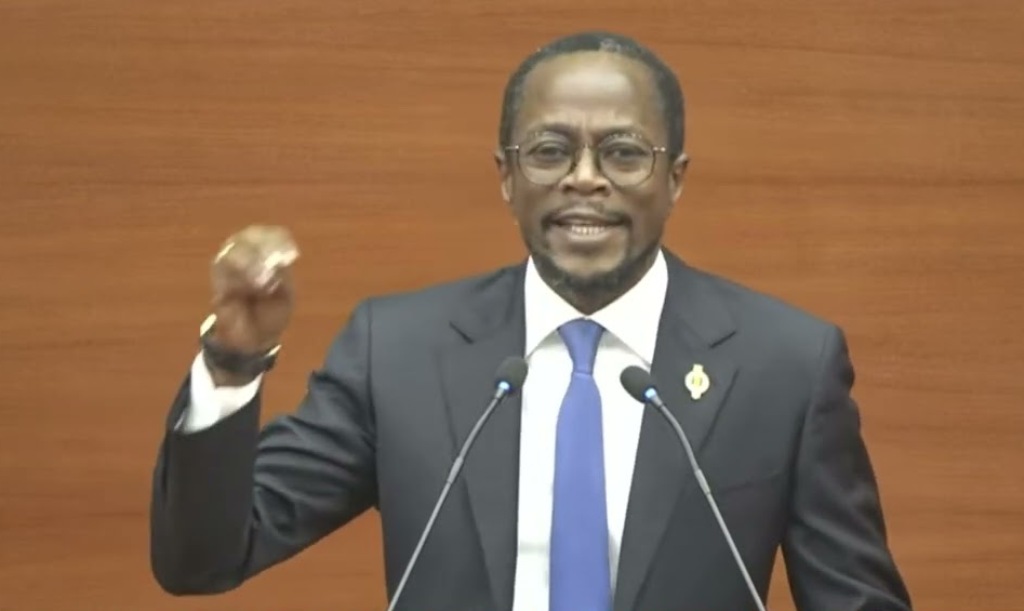
Abdou Mbow: Senegalese Labor Law Reforms Require Deeper Consultations
Summary
- Deputy Abdou Mbow has called for deeper consultations with trade unions before adopting labor code reforms.
- The government's efforts aim to improve working conditions, enhance social protection, and increase competitiveness in the job market.
- Increased consultation may lead to revised timelines or new requirements, impacting lawyers' advice on labor-related matters.
What Happened
Mbow believes that these objectives can only be achieved through a more collaborative approach with trade unions, which have been critical of certain aspects of the proposed reforms.
Deputy Abdou Mbow has called on the government to deepen consultations with trade unions before adopting projects related to reforming Senegal's labor code and social security code. This appeal was made during the examination of bills n°15/2026 and n°16/2026 at the National Assembly. According to Mbow, these texts, which have been deemed incomplete, require further discussion to ensure that they effectively address the needs of all stakeholders involved in Senegalese labor law.
Mbow's comments come as the government continues its efforts to modernize and streamline the country's labor legislation. The proposed reforms aim to improve working conditions, enhance social protection for workers, and increase competitiveness in the job market. However, Mbow believes that these objectives can only be achieved through a more collaborative approach with trade unions, which have been critical of certain aspects of the proposed reforms.
Legal Context
The current labor code in Senegal is based on the 1997 Code du travail SN, which has undergone several amendments over the years. However, critics argue that these changes have not kept pace with the evolving needs of the workforce and the changing economic landscape. The proposed reforms aim to address some of these shortcomings by introducing new provisions related to flexible work arrangements, worker protection, and social security benefits.
The government's efforts to modernize labor legislation are part of a broader initiative to promote economic growth and development in Senegal. By improving working conditions and enhancing social protection for workers, the government hopes to increase productivity, reduce unemployment, and attract foreign investment. However, the success of these reforms will depend on the ability of all stakeholders to work together effectively.
Why It Matters
The proposed labor code reforms in Senegal have significant implications for lawyers practicing in this area. As the government continues its efforts to modernize and streamline labor legislation, lawyers should be aware of potential delays or changes to the implementation of these reforms. Increased consultation with trade unions may lead to revised timelines or new requirements, which could impact the way lawyers advise clients on labor-related matters.
Moreover, the success of these reforms will depend on the ability of all stakeholders to work together effectively. Lawyers can play a crucial role in facilitating this collaboration by providing guidance on the implications of the proposed reforms and helping to identify areas where further discussion is needed.
Practical Implications
Lawyers should watch for potential delays or changes to the implementation of the labor code reforms, as increased consultation with trade unions may lead to revised timelines or new requirements.
Source
How does this affect you?
Get an AI analysis of this article grounded in your jurisdictions, practice areas, and any policy documents you've uploaded to Wansom.
Wansom is AI and can make mistakes.