
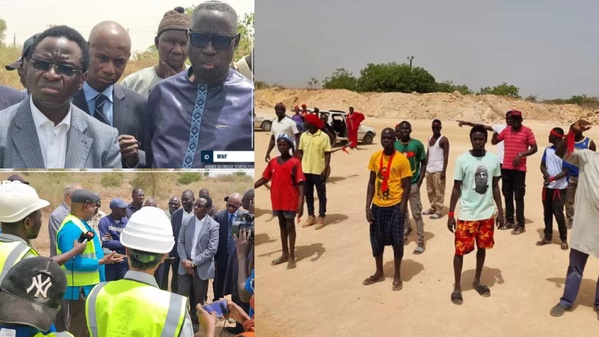
Darou Khoudoss: ICS Land Environmental Dispute Intensifies in Senegal
Summary
- Residents of Darou Khoudoss accuse Industries chimiques du Sénégal (ICS) of land encroachment and causing respiratory problems through dust and emissions.
- Local leaders, including Mayor Magor Kane, contest ICS's land expansion, claiming it affects residential plots.
- A report from October 25, 2026, noted residents' health concerns but stated no scientific evidence was presented to link them to ICS.
- The current dispute follows earlier protests in 2024, which involved blockades in Méouane and Taïba Ndiaye and a visit from government ministers.
- ICS has announced community initiatives, including agricultural transformation units for 2027 and a training program that has benefited over a thousand individuals.
Ongoing Dispute in Darou Khoudoss
This situation demonstrates that even in the absence of definitive scientific proof of harm, strong community perception and persistent grievances can lead to significant operational disruptions, reputational damage, and direct engagement from high-level government officials.
Residents of Darou Khoudoss are currently embroiled in a significant dispute with Industries chimiques du Sénégal (ICS), primarily concerning land use and the perceived impact on their living conditions. A report from October 25, 2026, by Seneweb, highlighted the community's concerns, noting that inhabitants attribute respiratory ailments to dust and emissions they believe originate from the ICS facilities. However, the report also specified that no environmental measurements or medical studies were presented to substantiate a direct link between these health issues and the company's operations.
Local leaders, including Mayor Magor Kane, Mamadou Diallo, who presides over Garab-Gui, and Déthié Diop, vice-president of the Méouane market gardeners' union, have vocally challenged the industrial land encroachments. Just five days prior to the Seneweb report, on October 20, 2026, Darou Khoudoss residents had already protested against what they described as an expansion of ICS's land footprint. Mayor Kane specifically asserted that these encroachments were affecting residential plots previously allocated by the municipality, thereby prejudicing the local population.
This current land grievance is part of a longer-standing conflict, though available information does not confirm if the specific parcels and demands are identical to those from an earlier period. In 2024, demands for compensation escalated into blockades that commenced on May 28 in the communes of Méouane and Taïba Ndiaye. This earlier period of unrest saw a direct intervention from government officials, with Jean Baptiste Tine, who was then the Interior Minister, and Industry and Commerce Minister Serigne Guèye Diop visiting Ndomor, Ngakham, and the ICS premises on June 20, 2024. The blockades had reportedly been lifted approximately ten days before this ministerial visit. In a separate development, ICS General Director Mama Sougoufara announced in October 2026, as reported by APS, plans for agricultural product transformation units to be established in 2027 across six municipalities, including Darou Khoudoss, as part of the company's initiatives for local territories. Additionally, ICS's training program has reportedly benefited 1,348 individuals from 248 economic interest groups.
Legal and Regulatory Landscape
The Darou Khoudoss ICS land environmental dispute underscores the complex interplay between industrial operations, community well-being, and the regulatory environment in Senegal. While residents strongly associate their respiratory problems with ICS's dust and emissions, the absence of definitive scientific evidence, such as environmental impact assessments or medical studies, presents a common challenge in such environmental claims. This gap in verifiable data can complicate legal proceedings and regulatory enforcement, placing a significant burden on affected communities to prove causation.
Furthermore, the core issue of land use and encroachment highlights the critical importance of clear land tenure systems and transparent land acquisition processes. Mayor Magor Kane's assertion that residential plots allocated by the municipality are being impacted by ICS's expansion points to potential conflicts over land rights and municipal planning. The historical context of compensation demands and blockades in Méouane and Taïba Ndiaye in 2024 further illustrates the persistent nature of these land-related grievances and the potential for community unrest when such issues are not adequately addressed or resolved.
Implications for Industrial Operations
The ongoing Darou Khoudoss ICS land environmental dispute serves as a crucial case study for industrial clients operating in Senegal, particularly those with substantial land footprints and potential environmental impacts. This situation demonstrates that even in the absence of definitive scientific proof of harm, strong community perception and persistent grievances can lead to significant operational disruptions, reputational damage, and direct engagement from high-level government officials. The involvement of local leaders and the history of protests, including blockades, highlight the necessity for companies like Industries chimiques du Sénégal to prioritize robust community engagement strategies.
Proactive measures, including transparent land acquisition procedures, comprehensive environmental impact assessments, and ongoing dialogue with local populations, are essential to mitigate legal and reputational risks. The announcement of ICS's agricultural transformation units and training programs, while positive, also indicates a recognition of the need to address community concerns and contribute to local development. This case reinforces the idea that sustainable industrial operations in regions like Senegal require more than just compliance with formal regulations; they demand a deep understanding of local socio-economic dynamics and a commitment to fostering positive community relations to prevent disputes from escalating.
Practical Implications
Lawyers advising industrial clients in Senegal, particularly those with significant land footprints and potential environmental impacts, should monitor this ongoing dispute between ICS and Darou Khoudoss residents. It highlights the critical importance of proactive community engagement, clear land acquisition processes, and robust environmental impact assessments to mitigate legal and reputational risks, even in the absence of definitive scientific proof of harm.
Source
How does this affect you?
Get an AI analysis of this article grounded in your jurisdictions, practice areas, and any policy documents you've uploaded to Wansom.
Finish Reading the Full Story and the Expert Analysis.
Get the latest legal & regulatory intelligence in Senegal
Wansom is AI and can make mistakes.