
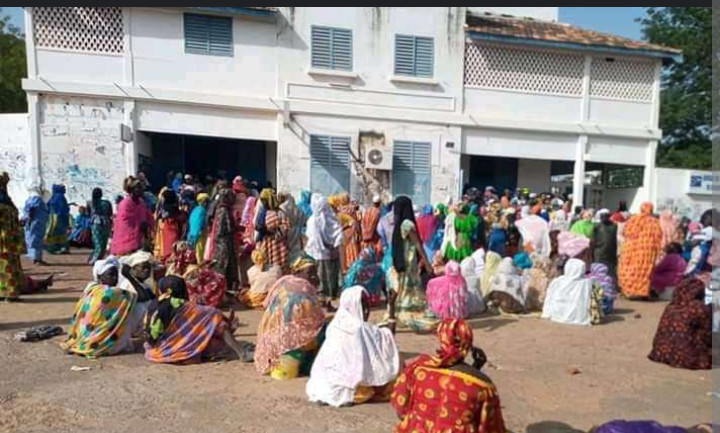
Senegal: Décret 2023-847 Caps Bourses Sécurité Sociale at 5 Years
Summary
- Senegal's Décret n°2023-847, effective April 7, 2023, limits social security benefits to a maximum of five years.
- The Délégation générale à la protection sociale et à la solidarité nationale (DGPSN) announced 355,013 enrolled households, including 64,217 with persons with disabilities.
- In April, approximately 25,000 persons with disabilities were removed from the Programme national de bourses de sécurité familiale due to the new five-year cap.
- The Fédération sénégalaise des associations de personnes handicapées (FSAPH) condemned the removals as a "régression humaine" and "injustice majeure."
- A national workshop in Saly from August 11-13, 2026, is currently discussing the government's new social welfare orientations.
Senegal Implements New Social Aid Limits
Understanding the nuances of Décret n°2023-847 is now essential, as it fundamentally alters eligibility criteria and could precipitate legal challenges concerning beneficiary removal, especially for those with disabilities.
Senegal's social welfare landscape has undergone a significant transformation with the full implementation of Décret n°2023-847 du 7 avril 2023, which introduces a strict five-year cap on the duration of benefits under the national social security scheme. This pivotal change, announced by the Délégation générale à la protection sociale et à la solidarité nationale (DGPSN), affects a vast number of beneficiaries. Currently, 355,013 households are enrolled in the program, with 64,217 of these including individuals living with disabilities.
The new regulation has already sparked considerable controversy, particularly concerning its immediate impact on vulnerable populations. In April, approximately 25,000 persons with disabilities were removed from the Programme national de bourses de sécurité familiale (PNBSF). This widespread radiation of beneficiaries was directly attributed to Article 12 of Décret n°2023-847, which mandates the five-year limitation on aid perception.
This action drew sharp criticism from advocacy groups. The Fédération sénégalaise des associations de personnes handicapées (FSAPH) publicly condemned the measure, characterizing it as a "régression humaine." Moussa Thiaré, the president of FSAPH, further amplified these concerns, describing the policy as an "injustice majeure" that disproportionately affects those most reliant on social support.
The Legal Framework and Its Aims
At the heart of these changes is Décret n°2023-847 du 7 avril 2023, which aims to reform the distribution of public assistance in Senegal. The stated objective behind the limitation durée aide sociale Sénégal is to ensure a more equitable rotation of public funds, directing resources towards the most economically disadvantaged segments of the population. Each eligible household receives an allocation of 35,000 CFA francs per session, a consistent amount designed to provide crucial financial support.
The process for identifying beneficiaries relies on distinct databases. For the general population, the Registre national unique (RNU) serves as the primary tool for targeting eligible households. However, for persons with disabilities, the DGPSN utilizes a specialized database maintained by the Direction générale de l’Action sociale (DGAS), which is linked to the Carte d’égalité des chances. This dual approach underscores an effort to tailor identification methods to specific beneficiary groups. Professor Cheikh Tacko Diop, cited by Libération, noted that "the principle of equity" is intended to guide this reform, suggesting a focus on fairness in resource allocation.
Broader Implications and Future Dialogue
The implementation of Décret 2023-847 Sénégal bourses sécurité sociale has not been without its challenges, generating "vives tensions" as reported. The forceful removal of nearly 25,000 persons with disabilities from the Programme national bourses sécurité familiale Sénégal highlights the profound human impact of the new five-year aid limit. This situation presents a critical area for legal scrutiny and advocacy, particularly for lawyers advising individuals or organizations on social welfare benefits in Senegal. Understanding the nuances of Décret n°2023-847 is now essential, as it fundamentally alters eligibility criteria and could precipitate legal challenges concerning beneficiary removal, especially for those with disabilities.
The government acknowledges the need for further discussion regarding these new orientations. A national workshop is currently taking place in Saly from August 11 to 13, 2026. This gathering, announced by Dr. Amadou Diaw, director of cabinet for the Minister of Family and Solidarities, will serve as a forum to address the evolving policies and their implications. The ongoing debate surrounding the radiation personnes handicapées Sénégal underscores the complex balance between fiscal responsibility and social protection in the nation's public assistance programs.
Practical Implications
Lawyers advising individuals or organizations on social welfare benefits in Senegal must understand the new five-year aid limit under Décret n°2023-847, as it significantly alters eligibility and could lead to challenges regarding beneficiary removal, especially for persons with disabilities.
Source
How does this affect you?
Get an AI analysis of this article grounded in your jurisdictions, practice areas, and any policy documents you've uploaded to Wansom.
Wansom is AI and can make mistakes.