
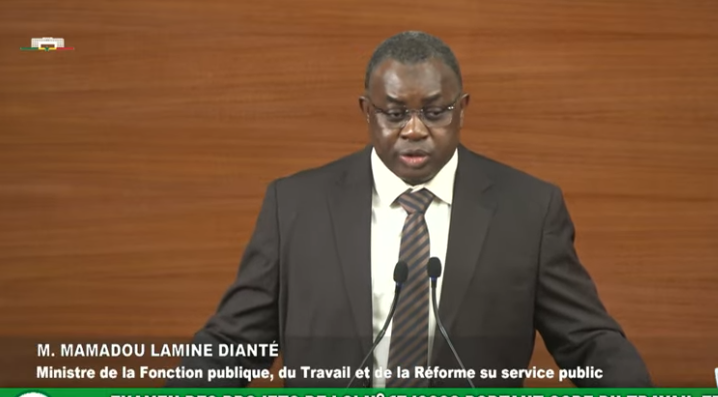
Sénégal National Assembly: Code du Travail Projet Loi Adopté en Commission
Summary
- Senegal's National Assembly deputies have adopted the bill n°15-2026 concerning the Labour Code at the commission level.
- Deputies approved the text by a majority vote in the commission after a thorough review.
- However, the bill was subsequently referred back to the commission for further examination.
- Several amendments were formally annexed to the report accompanying the adopted bill.
- Key discussion points during the legislative process included fixed-term contracts, worker protection, and union representativeness.
A Pivotal Legislative Step
The National Assembly in Senegal has marked a significant milestone in the ongoing legislative process, with deputies adopting the projet de loi n°15-2026 Code du travail at the commission level.
The National Assembly in Senegal has marked a significant milestone in the ongoing legislative process, with deputies adopting the projet de loi n°15-2026 Code du travail at the commission level. This crucial development signals a new phase for the proposed Labour Code, which aims to modernize and refine the existing framework governing employment relations across the nation. The legislative body's endorsement came after a thorough review conducted at the commission level, where the intricacies of the bill were meticulously examined and debated by various stakeholders and parliamentary members.
Following this detailed scrutiny, the text received a majority vote from the deputies present in the commission, indicating broad support for the proposed changes within the legislative chamber. However, the bill was subsequently referred back to the commission for further examination on June 22, 2026, and has not yet been definitively adopted by the National Assembly in a plenary session to become law. This adoption at the commission level represents a definitive step forward for the réforme droit du travail Sénégal, though the legislative process is still ongoing. The legislative report accompanying the adopted text also includes several amendments that were annexed, reflecting the dynamic nature of the parliamentary discussions and the collaborative effort to refine the bill's provisions before its final approval.
Core Focus of the Transformative Reform
At the very core of the extensive parliamentary debates surrounding this new Labour Code were several critical aspects of employment law, each holding profound implications for both employers and protection travailleurs sénégalais. Foremost among these were the regulations concerning contrats durée déterminée Sénégal (fixed-term contracts), a category of employment agreements that often presents complexities regarding job security and employer flexibility. The discussions aimed to strike a balance that supports economic dynamism while safeguarding employee rights.
Another central pillar of the reform efforts focused on the broader concept of worker protection, encompassing various provisions designed to enhance the safety, welfare, and fair treatment of employees within the Senegalese workforce. This includes considerations for working conditions, social benefits, and mechanisms for dispute resolution. Furthermore, the représentativité syndicale Sénégal was a key point of contention and discussion, highlighting the importance of robust and effective union representation in advocating for workers' interests and ensuring a balanced dialogue between labour and management. These areas collectively underscore the comprehensive nature of the proposed legal overhaul.
Implications for Senegalese Law
The recent adoption of the Sénégal Code du travail projet loi adopté by the National Assembly deputies at the commission level marks a critical juncture for the country's legal landscape. This legislative progress signifies that the proposed Labour Code is now one step closer to becoming law, which will necessitate significant adjustments for businesses and legal practitioners operating within Senegal. The comprehensive réforme droit du travail Sénégal is poised to introduce new mandates and guidelines that will impact hiring practices, contract management, and industrial relations across all sectors.
For legal professionals and compliance officers, understanding the nuances of these impending changes, particularly regarding contrats durée déterminée Sénégal, enhanced protection travailleurs sénégalais, and evolving standards for représentativité syndicale Sénégal, will be paramount. The inclusion of several amendments annexed to the report suggests that the final version of the code will be a carefully considered document, reflecting various perspectives and aiming for a robust and equitable framework. This legislative action underscores Senegal's commitment to modernizing its labour laws to meet contemporary economic and social demands, ensuring a more structured and protective environment for its workforce.
Practical Implications
Lawyers and compliance officers in Senegal must prepare for significant changes to employment law, particularly regarding fixed-term contracts, worker protection, and union representation, to ensure client compliance with the imminent new Labour Code.
Source
How does this affect you?
Get an AI analysis of this article grounded in your jurisdictions, practice areas, and any policy documents you've uploaded to Wansom.
Wansom is AI and can make mistakes.