
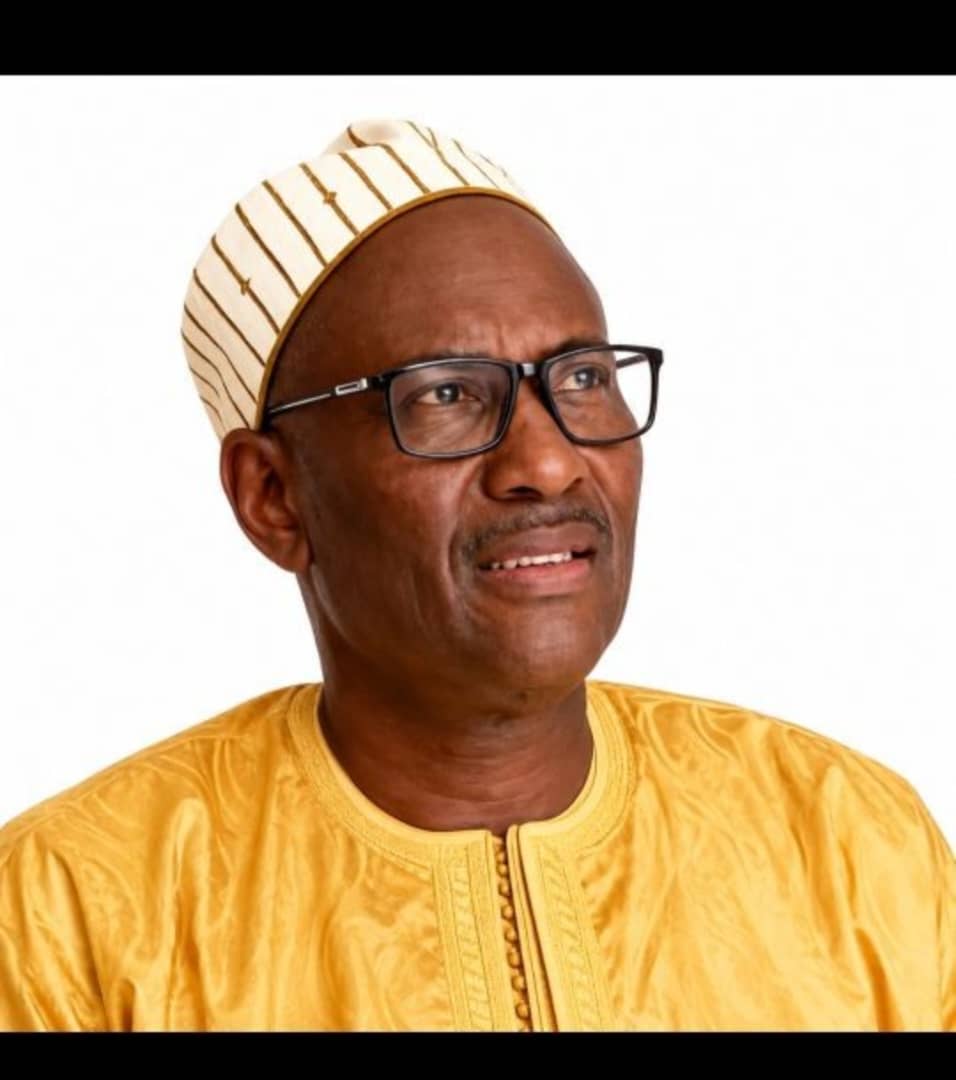
Sénégal: Alioune Aw Urges Stronger État Civil Rôle Délégués
Summary
- A National Forum on Civil Status is scheduled for September 23, 2026, at the Grand Théâtre de Dakar.
- Alioune Aw, a neighborhood delegate and Secretary-General of the Association of Neighborhood Delegates of Keur Massar Nord, advocates for a strengthened role for local delegates.
- Mr. Aw emphasizes the importance of proximity in improving access to civil status services for citizens.
- His proposals aim to enhance the accessibility and efficiency of vital record administration across Senegal.
Upcoming Forum to Address Civil Status Reform
For legal professionals and compliance officers in Senegal, the outcomes of the 2026 National Forum on Civil Status will be particularly critical.
Senegal is preparing for a significant national discussion on the future of its civil status system, with a major forum scheduled for September 23, 2026. This pivotal event, known as the National Forum on Civil Status, will convene at the Grand Théâtre de Dakar, bringing together stakeholders to deliberate on crucial reforms and improvements to the country's vital records administration. The discussions are expected to shape the trajectory of civil status services across the nation, particularly focusing on enhancing accessibility and efficiency for all citizens.
Amidst preparations for this important gathering, Alioune Aw, a prominent neighborhood delegate and the Secretary-General of the Association of Neighborhood Delegates for the municipality of Keur Massar Nord, has emerged as a key voice. Mr. Aw is actively advocating for a significantly expanded role for neighborhood delegates within the civil status framework. His proposals underscore the critical importance of local engagement in ensuring that civil status services are readily available and responsive to the needs of communities throughout Senegal.
Mr. Aw's advocacy centers on the principle of proximity, emphasizing that local delegates are uniquely positioned to bridge the gap between administrative services and the populace. He highlights how a strengthened involvement of these local representatives could dramatically improve the ease with which citizens can access essential civil status documents and procedures. This perspective suggests that by empowering local structures, the broader objectives of the `Réforme état civil Sénégal` can be more effectively realized, fostering a more inclusive and accessible system for everyone.
Advocating for Enhanced Local Engagement
The call by Alioune Aw for a reinforced role for neighborhood delegates in the `Sénégal état civil rôle délégués` context stems from a deep understanding of community dynamics and the challenges many citizens face in interacting with centralized administrative bodies. Neighborhood delegates, often serving as the first point of contact for residents, possess invaluable local knowledge and trust, making them ideal conduits for facilitating civil status processes. Their enhanced involvement could streamline procedures for birth registrations, marriage certificates, and death declarations, which are fundamental to legal identity and social protection.
Emphasizing the importance of proximity, Mr. Aw argues that bringing civil status services closer to the people through empowered `Délégués de quartier Sénégal` would alleviate significant burdens. This approach aims to reduce travel times and costs for individuals, particularly those in remote or underserved areas, who currently might have to journey long distances to access official registration offices. Such a decentralized, community-centric model could significantly boost the rate of civil status registration, ensuring that more citizens have their vital events officially recorded and recognized.
This proposed shift aligns with broader efforts to improve `Accès services état civil Sénégal`, making the system more user-friendly and inclusive. By leveraging the existing network of neighborhood delegates, the government could potentially enhance the accuracy and completeness of civil registers, while simultaneously fostering greater public engagement and trust in administrative processes. The discussions at the upcoming forum are expected to explore concrete mechanisms for integrating these local actors more effectively into the national civil status architecture.
Modernizing Civil Status for Broader Impact
The potential for a strengthened role for neighborhood delegates represents a key component of the `Modernisation état civil Sénégal` agenda. Beyond mere convenience, improving the accessibility and efficiency of civil status services has profound implications for various legal and social sectors. Accurate and easily verifiable civil records are foundational for establishing legal identity, which in turn impacts rights related to education, healthcare, property ownership, and political participation. The proposed reforms could therefore have a ripple effect across the entire legal and administrative landscape.
For legal professionals and compliance officers in Senegal, the outcomes of the 2026 National Forum on Civil Status will be particularly critical. Any changes to the administrative procedures for obtaining and verifying vital documents, especially those involving neighborhood delegates, could directly influence family law cases, inheritance disputes, and a wide array of administrative proceedings. Lawyers will need to stay abreast of new protocols to ensure their clients can navigate the updated system effectively, whether for proving lineage, establishing marital status, or confirming identity for official purposes.
Ultimately, the advocacy for a reinforced role for neighborhood delegates underscores a commitment to a more responsive and equitable civil status system. By addressing the challenges of access and proximity, Senegal aims to build a robust framework that not only accurately records vital events but also empowers its citizens by ensuring their legal identities are securely established and easily verifiable. This strategic enhancement of local administrative capacity is poised to be a cornerstone of the nation's ongoing development.
Practical Implications
Lawyers and compliance officers in Senegal should monitor the discussions and outcomes of the 2026 National Forum on Civil Status. Potential changes to the role of neighborhood delegates in civil status administration could impact the procedures for obtaining and verifying vital documents, affecting family law, inheritance, and administrative cases.
Source
How does this affect you?
Get an AI analysis of this article grounded in your jurisdictions, practice areas, and any policy documents you've uploaded to Wansom.
Finish Reading the Full Story and the Expert Analysis.
Get the latest legal & regulatory intelligence in Senegal
Wansom is AI and can make mistakes.