
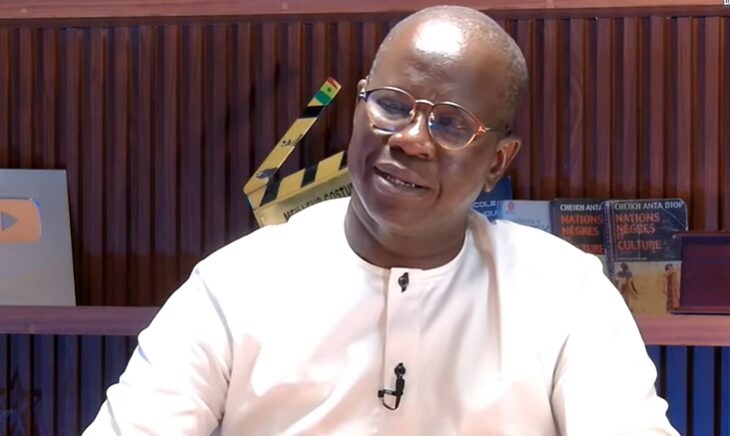
Alioune Ndiaye Urges Dissolution Parti Tahirou Sarr Sénégal
Summary
- Political analyst Alioune Ndiaye has called for the dissolution of Tahirou Sarr's party, Les Nationalistes / Jël Linu Moom.
- Ndiaye argues the party violates constitutional prohibitions against politicizing religion, ethnicity, and religious brotherhoods in Senegal.
- He also expressed suspicions about the involvement of foreign agents in the party's activities.
- The Senegalese Constitution includes provisions designed to prevent political parties from exploiting sensitive societal divisions.
- This situation highlights potential legal challenges for political entities that may contravene these constitutional safeguards.
What Happened
For legal professionals advising political parties in Senegal, this case underscores the critical importance of a thorough review of constitutional provisions concerning the politicization of religious or ethnic issues.
Political analyst Alioune Ndiaye has publicly advocated for the dissolution of the "Les Nationalistes / Jël Linu Moom" party, led by Tahirou Sarr, in Senegal. Ndiaye's call stems from his interpretation of the Senegalese Constitution, which he argues contains specific prohibitions against political entities exploiting religious, ethnic, or confraternal matters for political gain. He explicitly stated that the party's dissolution is a necessary measure.
Ndiaye's assertions suggest that the party's activities might contravene fundamental constitutional principles designed to maintain national cohesion and prevent the instrumentalization of sensitive societal divisions. The analyst's strong stance underscores a growing debate within Senegal regarding the boundaries of political expression and the role of identity-based issues in public life. This direct challenge to the continued existence of the dissolution parti Tahirou Sarr Sénégal highlights potential legal vulnerabilities for political organizations.
Furthermore, Alioune Ndiaye expressed suspicions regarding the involvement of "foreign agents" in the party's operations or its underlying motivations. This additional claim introduces a layer of complexity to the demand for dissolution, suggesting concerns beyond mere constitutional compliance and touching upon national sovereignty and external influence in domestic politics. The accusation of external interference, while not elaborated upon in terms of evidence, adds gravity to the analyst's overall argument for the party's removal from the political landscape.
Legal Context
The foundation of Alioune Ndiaye's argument rests on specific articles within the Constitution sénégalaise partis politiques. These constitutional provisions are designed to regulate the conduct of political parties, particularly concerning their engagement with issues that could potentially fragment the nation along religious, ethnic, or communal lines. The core principle Ndiaye invokes is the interdiction politiser religion Sénégal, extending also to ethnic identity and religious brotherhoods.
This constitutional framework aims to safeguard the secular and unified nature of the Senegalese state by preventing political actors from leveraging deep-seated societal affiliations for partisan advantage. Such prohibitions are common in diverse nations seeking to mitigate conflict and promote national unity over sectarian interests. The emphasis is on ensuring that political discourse remains focused on national development and governance, rather than exacerbating divisions.
The legal implications for any political party found to be in violation of these constitutional stipulations are severe, potentially leading to sanctions up to and including dissolution. This mechanism serves as a critical check on political organizations, ensuring they operate within defined legal and ethical boundaries that prioritize national stability. Therefore, the current situation involving Tahirou Sarr's party brings these often-cited but less frequently enforced constitutional safeguards into sharp focus.
Why It Matters
The public demand for the dissolution of Tahirou Sarr's party, "Les Nationalistes / Jël Linu Moom," carries significant weight for Senegal's political landscape and its legal community. It serves as a potent reminder of the constitutional constraints placed upon political entities regarding the politicization of religious and ethnic matters. This incident could set a precedent or at least intensify scrutiny on how other parties navigate these sensitive issues.
For legal professionals advising political parties in Senegal, this case underscores the critical importance of a thorough review of constitutional provisions concerning the politicization of religious or ethnic issues. Ensuring compliance is paramount to mitigate risks of party dissolution or other legal challenges. The explicit call by a prominent analyst highlights that these constitutional safeguards are not merely theoretical but can be actively invoked to challenge a party's legitimacy.
The broader implications extend to the health of Senegal's democracy. The debate surrounding the dissolution parti Tahirou Sarr Sénégal forces a national conversation about the appropriate role of religion and ethnicity in politics, and the extent to which political parties can engage with these aspects of identity without crossing constitutional lines. It also raises questions about the process for initiating and executing such dissolutions, and the evidence required to substantiate claims of constitutional violation, especially when allegations of foreign influence are also present.
Practical Implications
Lawyers advising political parties in Senegal should review constitutional provisions regarding the politicization of religious or ethnic issues to ensure compliance and mitigate risks of party dissolution, as this case highlights potential grounds for legal challenges against political entities.
Source
How does this affect you?
Get an AI analysis of this article grounded in your jurisdictions, practice areas, and any policy documents you've uploaded to Wansom.
Finish Reading the Full Story and the Expert Analysis.
Get the latest legal & regulatory intelligence in Senegal
Wansom is AI and can make mistakes.