
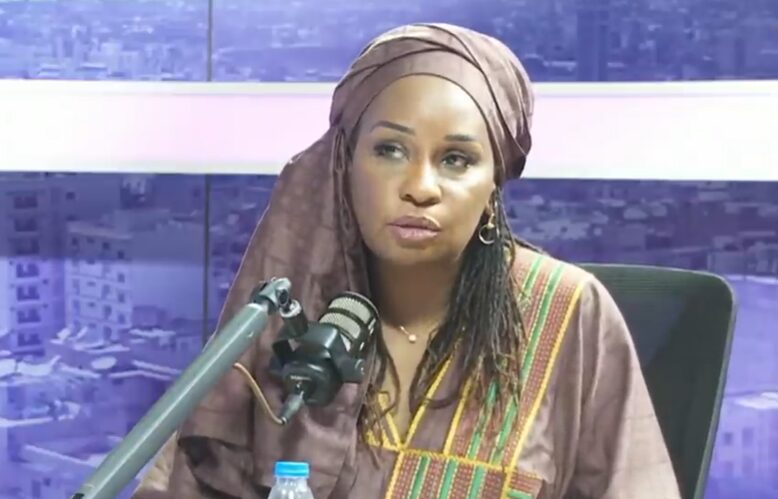
Hawa Abdoul Ba: Condemns Sénégal Boycott Auditions Parlementaires
Summary
- Hawa Abdoul Ba, a PDS leader, has criticized officials for boycotting parliamentary hearings in Senegal.
- The officials were summoned by a commission investigating the 'Un étudiant, un ordinateur' project.
- Ba described the officials' refusal to appear as a profound lack of respect for the Senegalese people.
- The incident highlights concerns about compliance with legislative oversight and accountability in public projects.
- This situation raises questions about the authority of parliamentary inquiry commissions under Senegalese law.
Officials' Non-Compliance Sparks Outcry
The non-cooperation of officials can impede investigations, potentially obscuring facts and preventing a full understanding of project implementation.
A prominent figure within the Parti Démocratique Sénégalais (PDS), Hawa Abdoul Ba, has voiced strong disapproval regarding the recent **Sénégal boycott auditions parlementaires**. Her criticism specifically targets public officials who have declined to appear before a parliamentary inquiry commission, despite receiving formal summons. This refusal to engage with legislative oversight bodies has ignited a debate about accountability and respect for democratic institutions in the country.
Ms. Ba, a leader within the liberal party, characterized the non-compliance of these officials as a significant affront to the Senegalese populace. She explicitly stated that such an attitude demonstrates a profound lack of respect for the citizens of Senegal. The parliamentary commission in question is tasked with investigating the **Projet Un étudiant un ordinateur**, a government initiative aimed at providing computing resources to students, and the officials' absence hinders the transparency efforts surrounding this project.
Legal Framework and Parliamentary Scrutiny
The actions of the summoned officials raise important questions concerning **Droit parlementaire sénégalais** and the authority of legislative bodies. A **Commission enquête parlementaire Sénégal** is vested with powers to scrutinize government projects and hold public servants accountable for their management and execution. The expectation under Senegalese parliamentary law is that individuals called to testify before such commissions will comply, providing necessary information to ensure transparency and proper governance.
The **refus comparaître fonctionnaires** before a duly constituted parliamentary inquiry undermines the very essence of legislative oversight. These commissions serve a critical function in a democratic system, acting as a check on the executive branch and ensuring that public funds and projects, like the **Projet Un étudiant un ordinateur**, are managed effectively and ethically. The non-cooperation of officials can impede investigations, potentially obscuring facts and preventing a full understanding of project implementation.
Implications for Governance and Public Trust
The incident highlighted by **Hawa Abdoul Ba PDS** carries significant implications for governance and public trust in Senegal. When public officials disregard parliamentary summons, it can be perceived as a challenge to the legislative branch's authority and a sign of impunity. This situation underscores the potential legal and reputational risks for non-cooperation with legislative oversight bodies, setting a precedent for future accountability.
Ms. Ba's strong condemnation, labeling the officials' stance as 'a great contempt towards the people,' resonates with broader concerns about transparency and the responsiveness of government to public scrutiny. The effectiveness of parliamentary commissions in holding the executive accountable is crucial for maintaining democratic integrity, and any perceived weakening of this mechanism can erode public confidence in the institutions designed to serve them.
Practical Implications
Lawyers advising public officials or entities involved in government projects in Senegal should note the heightened scrutiny on compliance with parliamentary summons. This incident underscores potential legal and reputational risks for non-cooperation with legislative oversight bodies, setting a precedent for future accountability.
Source
How does this affect you?
Get an AI analysis of this article grounded in your jurisdictions, practice areas, and any policy documents you've uploaded to Wansom.
Finish Reading the Full Story and the Expert Analysis.
Get the latest legal & regulatory intelligence in Senegal
Wansom is AI and can make mistakes.