
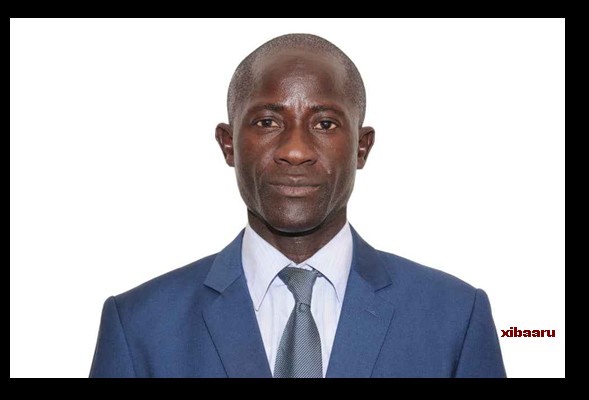
Cheikh Ndiaye: Denounces Rejet LFR 2026 Sénégal, Cites Political Blockage
Summary
- Cheikh Ndiaye criticized the second consecutive rejection of the LFR 2026, labeling it a political blockage harmful to the Senegalese population.
- He specifically highlighted Ousmane Sonko's absence from the vote and accused him of prioritizing personal interests over national welfare.
- Minister-Advisor Aldiouma Sow echoed these criticisms, also accusing Sonko of self-interest and undermining the general good.
- Ndiaye warned that the rejection could compromise priority investments and affect public finance stability amidst existing economic and social challenges.
- He linked the legislative impasse to executive tensions, suggesting Sonko uses institutional blockage to weaken President Bassirou Diomaye Faye's power.
Legislative Setback and Political Condemnation
The repeated rejection of Senegal's Loi de Finances Rectificative 2026 signals considerable political and budgetary uncertainty, potentially leading to delays or alterations in government spending, public contracts, and fiscal policies.
The **rejet LFR 2026 Sénégal** has sparked significant political outcry, following its second consecutive rejection. Cheikh Ndiaye, a prominent political figure from the Alliance pour la République (APR) in Grand Yoff, has publicly denounced this outcome, characterizing it as a detrimental political blockage for the Senegalese populace. Ndiaye articulated his concerns in an opinion piece titled "Le destin d’Ousmane Sonko prime sur l’intérêt supérieur de la nation," published by Xibaaru, where he questioned the underlying motives behind the legislative vote.
Ndiaye's critique specifically targets the parliamentary majority's actions during the National Assembly session on Tuesday, November 3rd. He contends that the majority deliberately opted for obstruction, despite the nation grappling with pressing economic challenges and urgent social needs. These include issues related to purchasing power, the necessity for subsidies, and the critical task of stabilizing public finances in collaboration with international partners. The repeated failure to pass the **Loi de Finances Rectificative 2026 Sénégal** underscores a deep-seated **blocage politique Sénégal LFR** that threatens governmental stability and public welfare.
Accusations of Self-Interest and Executive Tensions
Further amplifying the political discord, Aldiouma Sow, a Minister-Advisor to the Presidency and member of Kiiraay – Les Patriotes Républicains, also vehemently criticized the decision by Ousmane Sonko not to support the LFR 2026 in its current form. In his own reaction, titled "Le masque du gourou tombe enfin," Sow accused Ousmane Sonko, the President of the National Assembly, of prioritizing personal agendas over the broader national interest. This sentiment is echoed by other opponents of Sonko, who interpret the refusal to endorse the budget adjustment as a choice that places partisan interests above the potential consequences for Senegalese citizens.
Cheikh Ndiaye additionally highlighted the notable **Ousmane Sonko absence vote LFR**, arguing that it stands in stark contrast to Pastef's stated commitment to popular aspirations. Ndiaye links this legislative impasse to existing tensions within the executive branch, alleging that Sonko is employing institutional obstruction as a tool for political pressure. He suggests this strategy has been in play since a reported rupture between the two political factions, with the aim of undermining the authority of President Bassirou Diomaye Faye. Ndiaye has called for a re-evaluation of Pastef's and its leaders' role in the country's political landscape.
Economic and Social Ramifications
The rejection of the rectifying finance law carries significant potential for adverse effects on the general population and could jeopardize crucial national investments. Ndiaye specifically warned that this legislative deadlock might compromise priority investments, extending beyond immediate governmental concerns. He underscored the existing economic difficulties and social emergencies facing the country, such as challenges to purchasing power and the need for subsidies, which the LFR is designed to address.
Moreover, the stability of **finances publiques Sénégal 2026** and the nation's relationships with international partners are at stake. The **impact LFR 2026 investissements** could manifest as delays or cancellations of projects vital for economic growth and social development. Cheikh Ndiaye urged Senegalese citizens to actively engage with these developments, describing the situation as a serious threat to the nation's future and prosperity.
Legal and Budgetary Context
Rectifying finance laws, or LFRs, are fundamental legislative instruments designed to adjust the national budget in response to evolving economic realities or unforeseen circumstances. Their purpose is to ensure that government spending aligns with current needs and revenue projections. The repeated rejection of such a critical financial tool indicates a profound breakdown in legislative consensus and effective governance.
**The repeated rejection of Senegal's Loi de Finances Rectificative 2026 signals considerable political and budgetary uncertainty, potentially leading to delays or alterations in government spending, public contracts, and fiscal policies.** This situation creates an environment where planned public projects and essential services may face disruption. Lawyers and compliance officers should closely monitor subsequent legislative actions and budget adjustments for potential impacts on client projects, investment strategies, and regulatory compliance, particularly concerning sectors reliant on public funding or international partnerships.
Practical Implications
The rejection of the LFR 2026 in Senegal indicates significant political and budgetary uncertainty, which may lead to delays or alterations in government spending, public contracts, and fiscal policies. Lawyers and compliance officers should closely monitor subsequent legislative actions and budget adjustments for potential impacts on client projects, investment strategies, and regulatory compliance, particularly concerning sectors reliant on public funding or international partnerships.
Source
Source: Original reporting via Xibaaru
How does this affect you?
Get an AI analysis of this article grounded in your jurisdictions, practice areas, and any policy documents you've uploaded to Wansom.
Wansom is AI and can make mistakes.