
Senegal 2027 Initial Finance Bill Allocates 140 Billion for Family Allowances
The Senegalese National Assembly, through its Finance and Budget Control Committee, reviewed the initial finance bill (PLFI) for 2027, which projects a deficit of 1,351.7 billion CFA francs (4.7% of GDP) and allocates 140 billion CFA francs for family allowances, doubling the amount from the rejected 2026 revised finance bill (PLFR).
This development is significant as it outlines the government's fiscal priorities and macroeconomic projections for the upcoming year, particularly the substantial increase in social spending for family allowances. The detailed budget figures, including revenue and expenditure estimates, and the projected deficit, provide a critical snapshot of the nation's financial health and economic direction. The comparison with the rejected 2026 PLFR also underscores the legislative body's active role in budget scrutiny and the government's responsiveness to parliamentary concerns, indicating a dynamic legislative process.
The legal context for this process is governed by the Senegalese Constitution and organic laws pertaining to finance bills (Loi de Finances). The "Projet de Loi de Finances Initiale (PLFI) 2027" is the primary legislative instrument for the annual budget. The "Commission des finances et du contrôle budgétaire" (Finance and Budget Control Committee) is constitutionally mandated to examine and report on these bills. The mention of an agreement with the International Monetary Fund (FMI) for a triennial program and a debt treatment plan highlights Senegal's adherence to international financial governance and its efforts to manage public debt, which often comes with conditionalities impacting fiscal policy.
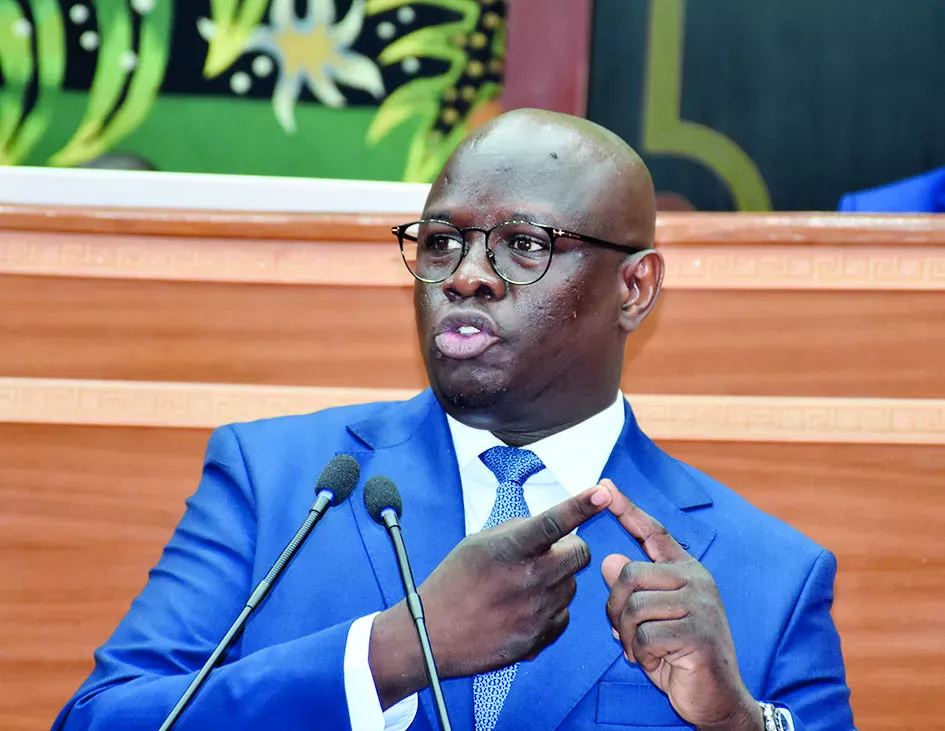
Key parties involved in this legislative and financial process include the Senegalese Government, responsible for drafting the PLFI, the National Assembly, specifically the Finance and Budget Control Committee, represented by its rapporteur general Mady Danfakha, and the International Monetary Fund (FMI) as a key financial partner whose agreements influence national fiscal planning.
Attorneys advising on public finance, investment, or social policy in Senegal should meticulously analyze the PLFI 2027. The projected deficit, revenue and expenditure figures, and particularly the significant increase in family allowances, indicate areas of government focus and potential economic stability or strain. The ongoing dialogue with the IMF and the debt treatment plan are crucial for understanding the broader economic environment and potential regulatory changes. Businesses should consider the implications of these fiscal policies on consumer spending, social programs, and the overall economic climate when planning their operations and investments in Senegal.
How does this affect you?
Get an AI analysis of this article grounded in your jurisdictions, practice areas, and any policy documents you've uploaded to Wansom.
Finish Reading the Full Story and the Expert Analysis.
Get the latest legal & regulatory intelligence in Senegal
Wansom is AI and can make mistakes.