
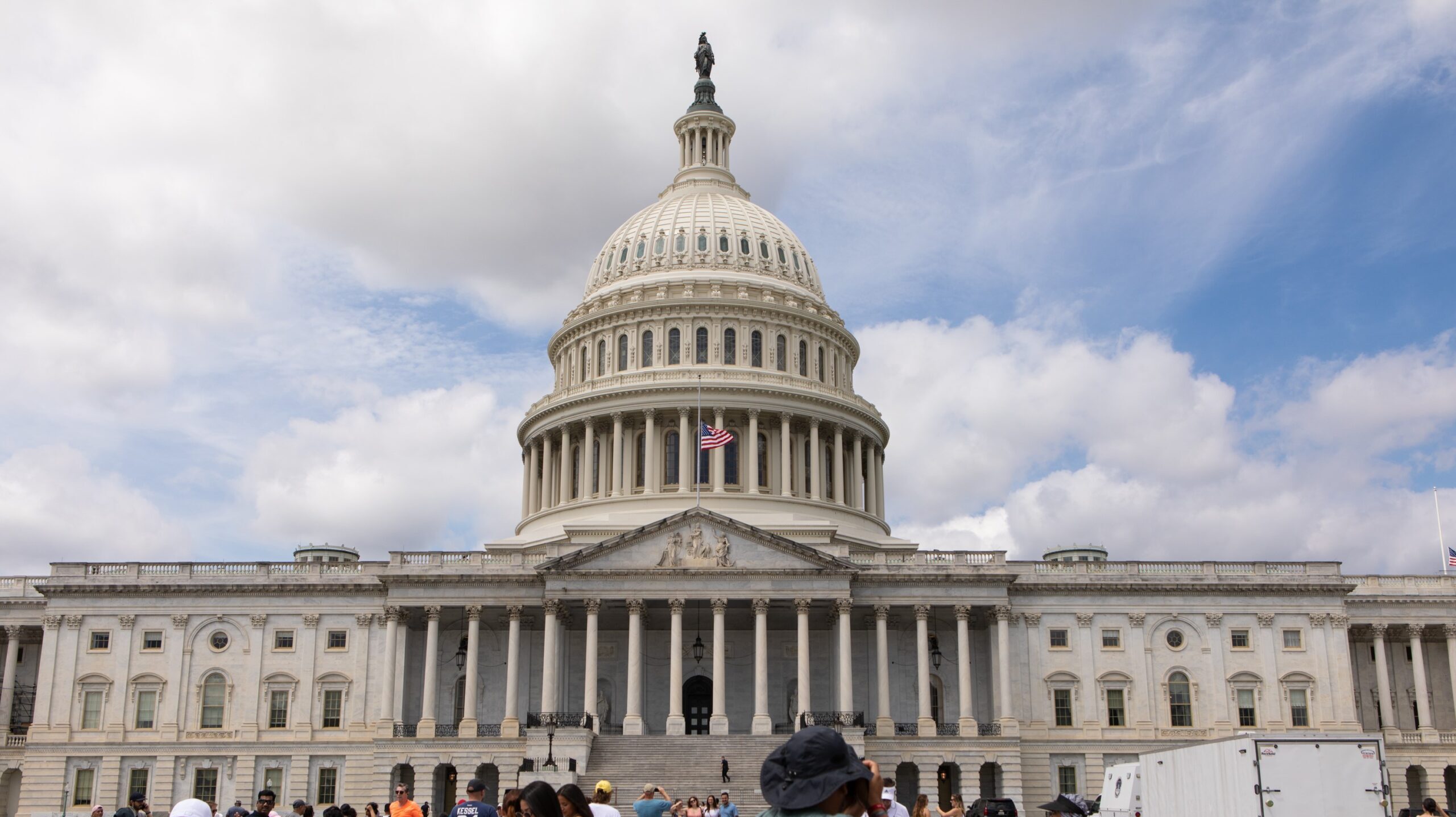
Senate Appropriators: $1.1T Pentagon Spending Proposed for FY27
Summary
- Senate appropriators have proposed nearly $1.1 trillion for Fiscal Year 2027 Pentagon spending.
- This figure is significantly less than the Trump administration's $1.5 trillion request, which included a $350 billion reconciliation package.
- Key reconciliation priorities, such as substantial funding for the Defense Autonomous Warfare Group, have not yet advanced through Congress.
- Senate appropriators generally prefer to integrate defense priorities into their main budget rather than using the reconciliation process.
- The proposed spending emphasizes sustainable, generational investments to counter evolving global threats, as noted by Senator Mitch McConnell.
Key Proposals Unveiled
McConnell's statement highlighted that the nature of modern warfare is undergoing significant transformation, with global adversaries increasingly collaborating to pose threats.
The Senate appropriators have recently revealed their proposal for Fiscal Year 2027 defense spending, setting a figure of nearly $1.1 trillion. This substantial sum, while historic in its own right, represents a significant divergence from the Trump administration's more ambitious request of $1.5 trillion for the Pentagon. The unveiling of this spending plan by the Senate Appropriations defense subcommittee marks the final budget offering from the four defense committees, completing the initial legislative landscape for the upcoming fiscal year.
This $1.1 trillion figure from the Senate appropriators will now enter a negotiation phase, as it must be reconciled with a slightly lower top-line proposal put forth by their counterparts in the House. It is important to note that while the House and Senate Armed Services Committees had previously indicated a $1.14 trillion top-line figure, this amount is not directly comparable to the appropriations committees' specific spending allocations. The disparity between the legislative and executive branch proposals sets the stage for complex budgetary discussions in the coming months.
The Reconciliation Divide
A major point of contention lies in the Trump administration's original $1.5 trillion defense budget request, which was structured into two distinct components: a $1.15 trillion base budget and an additional $350 billion earmarked for a reconciliation bill. This reconciliation package was intended to fund critical, high-priority initiatives, including projects like Golden Dome, essential munitions, and the bulk of a $55 billion investment designated for the new Defense Autonomous Warfare Group (DAWG). Despite the White House's persistent advocacy for the passage of this $350 billion through reconciliation, there has been minimal legislative progress on this front.
The lack of movement on these Pentagon reconciliation priorities is partly due to a general reluctance among Senate appropriators to utilize the reconciliation process. This mechanism is often viewed unfavorably by appropriators because it effectively shifts control over spending decisions away from their committees and towards the authorizing committees. This sentiment was underscored when John Thune, the leading Republican in the Senate, declined to confirm whether a defense-specific reconciliation bill was under active consideration, highlighting the political hurdles facing this funding approach.
Strategic Investments Amidst Evolving Threats
In light of these budgetary challenges, Senate appropriators are actively seeking alternative methods to incorporate some of the Trump administration's key defense priorities directly into their own $1.1 trillion proposal for the FY2027 defense spending bill. This approach reflects a broader strategic vision articulated by figures such as Senator Mitch McConnell, the chair of the defense appropriations subcommittee, who is nearing retirement at the conclusion of the current Congress. McConnell's perspective emphasizes the need for sustainable, long-term investments in national defense, rather than relying on intermittent cash infusions.
McConnell's statement highlighted that the nature of modern warfare is undergoing significant transformation, with global adversaries increasingly collaborating to pose threats. He stressed that deterring these evolving dangers requires a comprehensive, generational commitment to defense capabilities. A critical aspect of this commitment involves ensuring the security of artificial intelligence models and their foundational data, which is paramount for developing and deploying digital tools effectively in contemporary warfighting environments. This focus on foundational security underscores the forward-looking nature of the proposed defense investments.
Practical Implications
Lawyers advising defense contractors or technology firms in the defense sector should closely track the legislative progress of the FY2027 defense spending bill. The significant discrepancy between the Senate's proposed $1.1 trillion and the Trump administration's $1.5 trillion request, especially concerning reconciliation priorities like the Defense Autonomous Warfare Group, signals potential shifts in future government contract opportunities and strategic investment areas that could impact client business development and compliance strategies.
Source
How does this affect you?
Get an AI analysis of this article grounded in your jurisdictions, practice areas, and any policy documents you've uploaded to Wansom.
Finish Reading the Full Story and the Expert Analysis.
Get the latest legal & regulatory intelligence in United States
Wansom is AI and can make mistakes.