
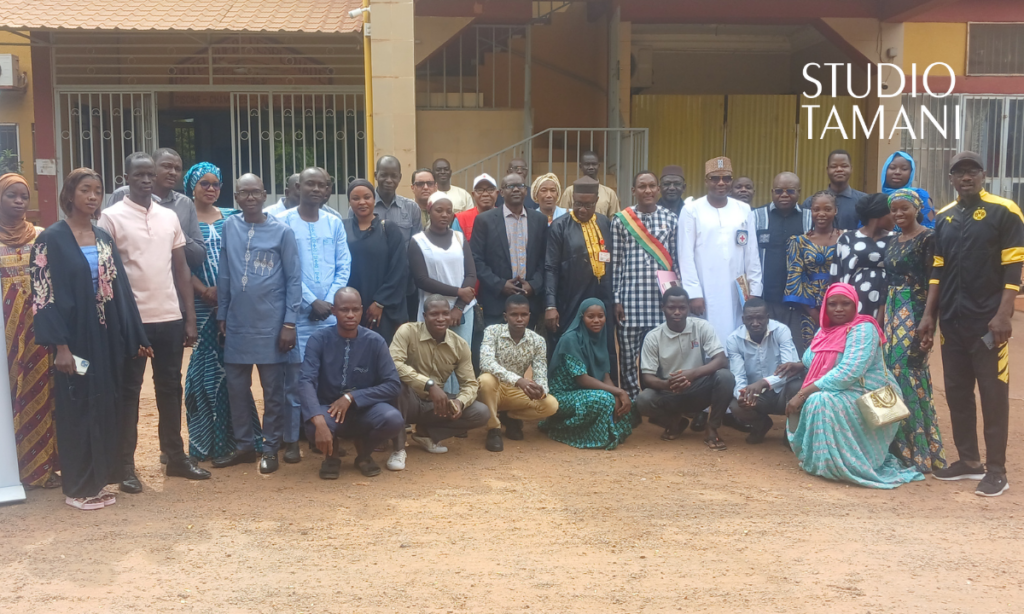
Ségou ICRC: Formation Journalistes DIH Bolsters Mali Media Reporting
Summary
- The International Committee of the Red Cross organized a three-day training in Ségou, Mali.
- The training, which began on November 4, 2026, focused on international humanitarian law.
- Approximately thirty media professionals from Ségou participated in the program.
- Its goals included strengthening journalists' DIH knowledge and improving conflict reporting.
What Happened
For journalists operating within regions affected by conflict, a robust understanding of DIH is absolutely indispensable.
A significant three-day training program, dedicated to enhancing understanding of international humanitarian law, commenced on November 4, 2026, in the Malian city of Ségou. This specialized educational initiative was meticulously organized by the International Committee of the Red Cross (ICRC), a globally recognized humanitarian organization. The Ségou ICRC formation journalistes DIH was specifically designed to bolster the capabilities of local media professionals, providing them with critical insights into the legal frameworks governing armed conflicts.
The program successfully gathered approximately thirty media practitioners, all of whom are actively working within the Ségou region. These journalists, representing various local outlets, were the primary beneficiaries of this intensive curriculum. The CICR formation Ségou highlights a strategic effort to empower those on the front lines of information dissemination, ensuring they possess the necessary tools to report responsibly and accurately. Their participation underscores the local media's commitment to professional development and adherence to international standards in their reporting.
Why It Matters
The core objective driving this training was to substantially reinforce the knowledge base of participating journalists concerning droit international humanitaire Mali. By immersing them in the principles and applications of these vital legal statutes, the program aimed to equip reporters with a deeper comprehension of their role and responsibilities when covering situations of armed conflict. This enhanced understanding is considered fundamental for ethical and precise journalistic practice, particularly in regions susceptible to violence.
Beyond theoretical knowledge, a crucial secondary aim of the initiative was to refine the practical methods employed by these journalists in processing and presenting information during periods marked by conflict and widespread violence. Improving the quality and sensitivity of media reporting in such volatile environments is paramount for fostering public trust, providing accurate accounts, and potentially mitigating further harm. The training for journalistes droit conflit Mali is thus intended to yield tangible improvements in the factual integrity and contextual depth of local news coverage, ultimately benefiting the wider community.
Legal Context
International Humanitarian Law (DIH) comprises a set of rules that, for humanitarian reasons, seek to limit the effects of armed conflict. It specifically protects individuals who are not, or are no longer, participating in hostilities, and it places restrictions on the means and methods of warfare. For journalists operating within regions affected by conflict, a robust understanding of DIH is absolutely indispensable. This knowledge enables them to accurately portray the complex realities on the ground, identify potential violations, and comprehend the specific protections and prohibitions that apply to both combatants and civilians.
The training conducted in Ségou directly addresses the critical need for media professionals to interpret unfolding events through the authoritative lens of these international statutes. By grasping the fundamental principles of DIH, journalists are better positioned to discern and report on instances of non-compliance, highlight the devastating impact of conflict on civilian populations, and provide essential context to the actions undertaken by various parties involved in hostilities. This specialized legal knowledge is not merely academic; it is vital for delivering comprehensive, balanced, and ethically sound news coverage that informs and educates the public effectively.
Practical Implications
This story describes a training for journalists on International Humanitarian Law in Mali and does not present a direct actionable legal implication for lawyers or compliance officers.
Source
How does this affect you?
Get an AI analysis of this article grounded in your jurisdictions, practice areas, and any policy documents you've uploaded to Wansom.
Wansom is AI and can make mistakes.